


More news on this day
A regional railway museum is preparing to host a fire department celebration that will turn its historic rail yard into a showcase for modern firefighting, public safety demonstrations and family-friendly activities built around its collection of vintage locomotives and rolling stock.
Get the latest news straight to your inbox!
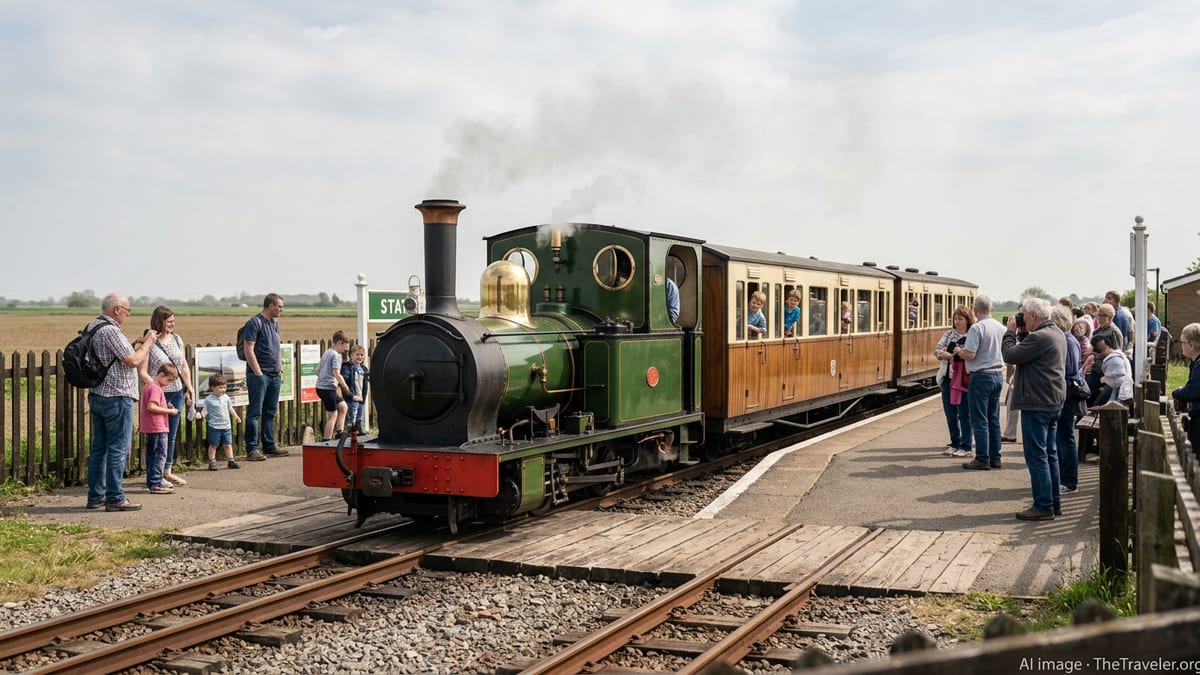
Historic setting for a modern public safety showcase
Railway museums across the United States increasingly serve as venues for community events, and the latest example is a fire department celebration set against a backdrop of preserved rail equipment. Publicly available information indicates that the host museum plans to combine displays of historic fire apparatus and railroad equipment with demonstrations highlighting how emergency services interact with rail operations.
The event is designed to make use of the museum’s open-air yards, historic depots and exhibit halls, creating space for fire engines, ladder trucks and specialty response units to park alongside heritage locomotives. Organizers in similar venues have emphasized that this kind of layout allows visitors to see how railroads and fire services have worked together over time to manage incidents ranging from trackside brush fires to urban industrial emergencies.
Rail-focused attractions have long collaborated with emergency services during large festivals and seasonal programs, and the upcoming celebration builds on that trend. Reports from prior years at other facilities show that fire crews often stage training evolutions and public demonstrations in museum yards, making use of real-world rail infrastructure without disrupting active freight or passenger lines.
Live demonstrations connect firefighting and rail operations
Plans for the fire department celebration center on live demonstrations of modern firefighting techniques, with an emphasis on how they apply in rail environments. According to published coverage of similar events, visitors typically see simulated vehicle extrications, hose line deployments and aerial ladder operations, often narrated over a public address system to explain each step.
Railway museums provide a distinctive setting for this type of program. Freight cars, tank cars and passenger coaches can serve as realistic training props, illustrating how firefighters gain access to confined spaces, manage hazardous materials scenarios or conduct rescues on elevated equipment. For the public, this offers a clearer picture of what happens when fire crews respond to an incident involving trains or rail-side structures.
Some railway institutions maintain long-standing relationships with specialized fire units that support major events and high visitor days. Background information on facilities such as the Southern California Railway Museum notes that rail-focused operations sometimes maintain dedicated fire protection capabilities for large campuses and historic structures, underscoring the practical links between the preservation of rail heritage and emergency response planning.
Family activities and community engagement
The celebration is being promoted as a family-oriented event as well as a technical showcase. Based on patterns seen at other railway museum gatherings, activities are expected to include opportunities for children to explore static fire engines, view rail equipment up close and participate in safety-themed games and crafts organized in depot buildings or exhibition halls.
Railway museums frequently use such events to reinforce broader safety messages. Public information campaigns often focus on grade crossing awareness, safe behavior near tracks and emergency preparedness at home and in public spaces. Hosting a fire department celebration within a rail museum setting provides a platform to connect fire safety, rail safety and general emergency readiness in a single program.
Some institutions have also paired similar events with short train rides or guided yard tours, encouraging visitors who come for the fire department displays to experience more of the museum’s core exhibits. This cross-pollination can introduce new audiences to rail history while strengthening the museum’s role as a year-round community gathering place.
Highlighting historic equipment and evolving technology
Beyond modern fire engines and tools, the celebration offers an opportunity to highlight the evolution of both firefighting and rail technology. Rail history collections often include vintage freight cars once used to transport water, early tank cars, maintenance-of-way equipment and even fire trucks or fire hose carts preserved as part of local heritage exhibits.
Educational materials at railway museums commonly describe how early railroads faced significant fire risks from steam locomotives, wooden bridges and trackside vegetation. By placing historic equipment alongside today’s diesel and electric locomotives and modern firefighting apparatus, the event can illustrate how design changes, better materials and updated safety standards have reduced those hazards over time.
According to museum programming seen in other regions, interpretive signage and staff-led talks during such events often reference historic incidents where railroads and fire departments coordinated responses, using those stories to frame current best practices. Visitors gain a sense of continuity between the past and present, understanding how lessons learned from earlier eras inform today’s emergency planning.
Boost for tourism and regional heritage
Railway museums frequently rely on a combination of ticket sales, memberships and periodic special events to support operations. A fire department celebration is expected to draw visitors who might not typically seek out a rail-focused attraction, offering a potential boost to attendance and revenue for the host institution.
Tourism agencies in several regions have promoted similar collaborations between cultural venues and public safety organizations as a way to broaden destination appeal. Combining transportation heritage with live public safety programming can create a distinctive calendar highlight that encourages day trips, group visits and repeat attendance from local residents.
For the participating fire department, the event serves as a high-visibility outreach opportunity. Presenting equipment and personnel in a relaxed, family-focused setting can help build public trust and interest in volunteer recruitment, community risk reduction initiatives and emergency preparedness programs. Set within a historic rail environment, the celebration underscores how both institutions contribute to the preservation and protection of regional heritage.