


More news on this day
Italy is enduring another punishing heatwave, with all major cities recently placed on red alert for extreme temperatures as Europe confronts what meteorologists describe as one of the most intense hot spells in recent years. Travellers arriving in Rome, Florence, Milan and coastal resorts are encountering daytime highs above 40 degrees Celsius, strained infrastructure and rapidly changing local guidance, forcing many to rethink how they move, sightsee and stay healthy in the country’s peak summer season.
Get the latest news straight to your inbox!
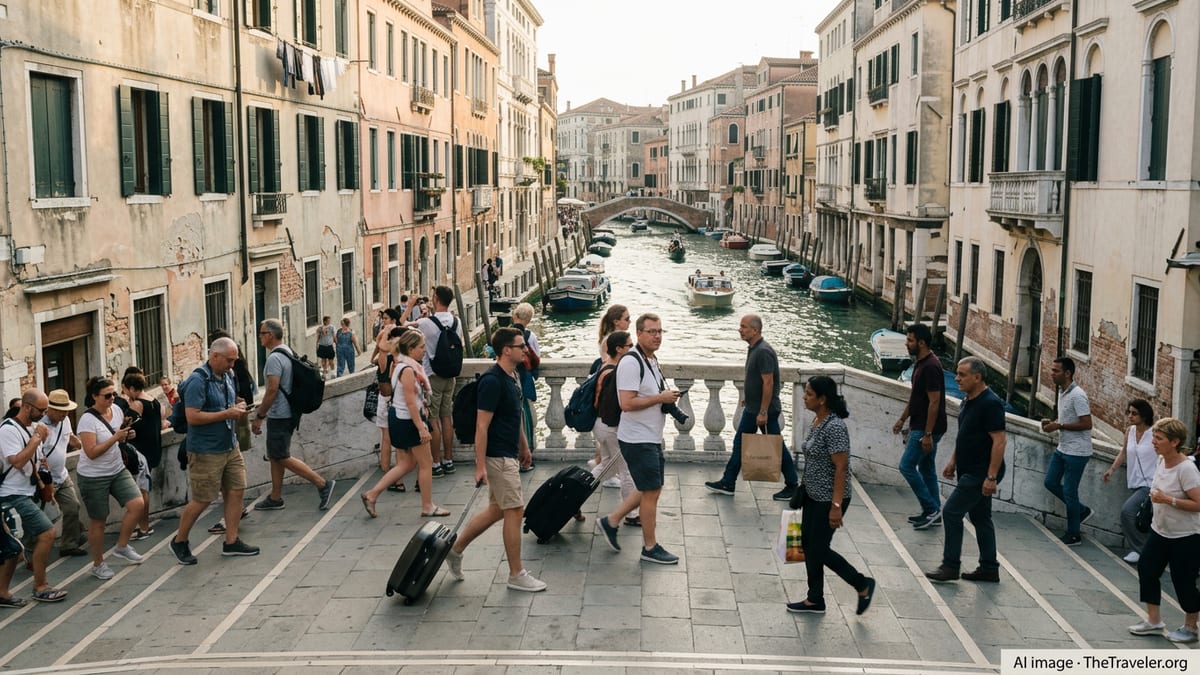
Red Alert Across Italy as Temperatures Climb Above 40C
The latest heatwave has pushed large parts of central and southern Europe into prolonged periods of extreme heat, with Italy among the hardest-hit countries. Recent reports indicate that the Italian Health Ministry’s heat surveillance system has placed all 27 monitored cities under its highest red alert level, signalling a serious risk to health for the entire population, including otherwise healthy adults.
Temperatures above 40 degrees Celsius have been recorded in many inland cities and low-lying coastal areas, while overnight lows remain unusually high. This limits the body’s ability to cool down and increases the risk of heat-related illness over several consecutive days. Publicly available assessments from European climate and disaster agencies note that Italy has repeatedly ranked among the countries with the highest heat-related mortality in recent European summers, underlining the stakes of the current conditions.
Red alerts in Italy do not automatically close cities to visitors, but they do trigger a combination of local advisories, temporary work rules and adjustments to public services. Travellers may find outdoor events rescheduled to cooler hours, municipal fountains repurposed as cooling points, and shade structures or misting systems deployed in historic squares already crowded with tourists.
As a result, those arriving with fixed expectations of long days outdoors at popular landmarks are encountering a more constrained environment where safety considerations are beginning to shape how cities function during mid-summer.
Impact on Transport, Attractions and Daily Travel Plans
Extreme heat is increasingly affecting Italy’s transport networks during peak holiday weeks. Rail services can experience speed restrictions on some routes to prevent track damage, while occasional delays or short-term disruptions are reported when infrastructure is stressed by prolonged high temperatures. Urban tram and bus systems may run more slowly in congested historic centres where heat builds up between stone buildings and narrow streets.
Air travel into and within Italy continues to operate, but travellers are being urged by travel industry updates to check flight status frequently and allow extra time at airports where crowds are heavier in early morning and late evening, the time windows many passengers now prefer to avoid the hottest hours. In smaller regional airports or older terminals, air conditioning may struggle to cope with sustained heat, making lines and waiting areas uncomfortable.
Tourist attractions, particularly archaeological sites and outdoor museums, are also adapting to the new reality. Some well-known sites in Rome, Pompeii and Sicily have in recent seasons experimented with earlier openings, shaded waiting zones and temporary closures of the most exposed areas during the afternoon peak. Tickets for time-specific entries can sell out faster on extreme-heat days as visitors cluster their sightseeing into the cooler parts of the day.
Reports from recent summers indicate that city walking tours are increasingly moved to dawn or twilight, while operators of boat excursions on lakes and along the Amalfi and Ligurian coasts are adjusting schedules to avoid mid-afternoon exposure. Travellers who arrive with flexible plans and a willingness to rebook tours on short notice are finding it easier to adapt than those with tightly packed itineraries.
Health Risks for Travellers in a Hotter Italian Summer
Public health agencies across Europe emphasise that red alert heat conditions carry risks for everyone, not only for older adults or those with chronic illnesses. Prolonged exposure, even over just a few days, can lead to heat exhaustion and, in severe cases, heatstroke. High humidity along parts of the Tyrrhenian and Adriatic coasts can make conditions feel hotter than the recorded temperature and reduce the effectiveness of sweating as a cooling mechanism.
Joint guidance from European health bodies and national institutes highlights the particular vulnerability of people who are not acclimatised to such temperatures, including many international visitors arriving from cooler climates. Rapid shifts from air-conditioned planes and hotels to intense outdoor heat can strain the cardiovascular system, while extended walking on sun-exposed pavements adds to the load.
Published analyses of recent European heatwaves show a marked increase in excess mortality during long hot spells, and Italy has featured prominently in these assessments. Researchers point to the combination of ageing populations, dense urban cores with limited tree cover and historic housing that is not designed for modern heat extremes as reasons why cities such as Rome, Bologna and Turin are especially vulnerable.
For travellers, the practical implications are straightforward but significant. Medical services in major Italian cities are experienced in dealing with heat-related illness during summer, yet clinics and emergency departments can come under pressure when temperature records are challenged. Visitors who understand early warning signs such as dizziness, nausea, headaches and sudden fatigue are better placed to seek help or rest before conditions worsen.
How Visitors Can Safely Adjust Their Itineraries
Travel advisories and health guidance for Italy during red alert periods increasingly focus on changing behaviour rather than cancelling trips outright. Many public health documents recommend limiting strenuous activity between late morning and early evening, particularly around 11 a.m. to 5 p.m., when solar radiation and air temperatures peak in much of the country.
For tourists, this often means reordering the day. Sightseeing at major outdoor landmarks can be shifted to early morning or late evening, while the hottest hours are reserved for indoor museums, shaded churches, or rest periods in accommodation with effective cooling. Travel planners suggest building in midday breaks even for short city stays, treating them as an integral part of the itinerary rather than lost time.
Hydration routines also require more attention than many holidaymakers expect. European health agencies typically recommend frequent intake of water and other non-alcoholic drinks, avoiding large, heavy meals at midday and limiting alcohol, which can accelerate dehydration. Some Italian municipalities distribute information leaflets in several languages during heat alerts, explaining in simple terms how to spot symptoms of heat stress and where to find shaded public spaces and water points.
Clothing choices matter as well. Lightweight, loose-fitting outfits, hats with good coverage and high-factor sunscreen are presented as basic safeguards. Travellers are also encouraged to plan walking routes that maximise shade, using colonnades, narrow side streets and parks even if they add a few minutes to the journey. Families with children and visitors with mobility challenges may wish to reconsider long uphill walks to popular viewpoints during peak heat.
Looking Ahead: Climate Trends and the Future of Summer Travel
Scientific assessments of recent European summers point to a clear trend toward more frequent, intense and longer-lasting heatwaves, with the Mediterranean region highlighted as a global hotspot of warming. Studies commissioned by international climate bodies and regional organisations indicate that what was once considered exceptional heat is becoming more common, and that Italy in particular faces rising risks in densely populated lowland areas and major tourism hubs.
Analyses of past decades suggest that deadly heat events in Europe are no longer rare outliers but recurring features of the summer season. In several years over the past two decades, Italy and neighbouring countries have recorded tens of thousands of excess deaths associated with heat. Researchers report that without substantial adaptation in urban planning, health systems and building design, these impacts are likely to grow as temperatures climb.
For the travel sector, this raises questions about how summer tourism in Italy will evolve. Some industry observers expect a gradual shift in demand toward shoulder seasons, with more visitors opting for late spring and early autumn to avoid the harshest heat. High temperatures already influence booking patterns for outdoor festivals, sporting events and coastal resorts, as organisers adjust schedules and infrastructure to protect spectators and staff.
In the meantime, the current red alerts serve as a stark indicator that travellers can no longer treat extreme heat as an unusual disruption. Planning for high temperatures, monitoring local advisories and remaining flexible on the ground are becoming standard components of a summer trip to Italy, as the country and its visitors learn to navigate a hotter, more unpredictable season.