


More news on this day
Boston’s Red Line returned to full service between Alewife and Park Street after a 10-day shutdown intended to boost reliability, but early riders encountered fresh signal problems and smoke reports that slowed trains and undercut expectations of a smooth reopening.
Get the latest news straight to your inbox!
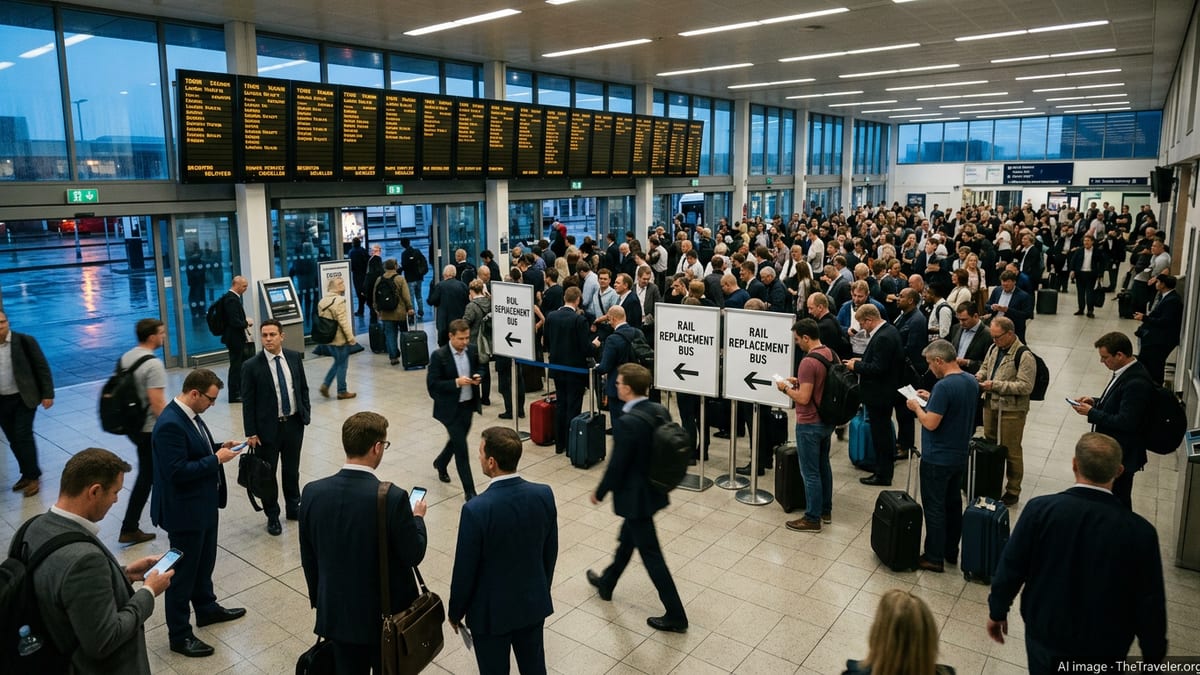
Service Resumes After Intensive Repair Blitz
The MBTA restored Red Line service north of Park Street following a continuous 10-day closure from July 21 to July 30, a window used for track work, signal upgrades, and other infrastructure projects along one of the system’s busiest corridors. According to published agency materials, the shutdown focused on modernizing aging equipment and clearing long-standing speed restrictions that had lengthened trip times for thousands of daily riders.
Publicly available information on the project scope indicates that crews concentrated on renewing track, replacing signal components, and completing related state-of-good-repair tasks between Alewife and Park Street. The closure was framed as part of a broader effort to improve travel times and reduce the frequency of signal-related delays that have plagued the northern end of the Red Line in recent years.
Throughout the shutdown, shuttle buses and alternate routes carried passengers around the suspended segment. Local coverage and rider commentary described crowded bus connections and heavier traffic on parallel roadways, as commuters adjusted to the extended outage during peak summer travel and the tail end of major events in the region.
Transit advocates noted ahead of the work that such concentrated repair surges can deliver benefits more quickly than fragmented overnight or weekend closures. Expectations were high that the line would reopen with fewer slow zones and more reliable headways, especially for riders accustomed to chronic delays between Alewife, Harvard, and downtown Boston.
Signal Issues Undercut First Day Expectations
Within hours of service resuming, however, early reports from riders on social platforms and in local coverage described new signal problems along the same corridor that had just undergone work. Posts referencing the reopening period pointed to extended dwell times at stations such as Harvard and MIT, where trains reportedly held in place for several minutes at a time due to signal-related slowdowns.
According to publicly available rider accounts, some commuters who had anticipated faster, smoother trips after the 10-day outage instead encountered waits approaching 10 minutes at multiple stops. These delays contributed to crowded platforms and packed train cars, particularly during the morning and evening rush, as service frequency lagged behind typical Red Line schedules.
The contrast between the ambitious scope of the shutdown and the persistence of signal issues became a focal point of rider frustration. Commentary circulating in online forums questioned how signal-related delays could reappear so quickly after a concentrated repair blitz, and whether all of the planned upgrades had been fully completed or tested before trains returned to regular operation.
Available project descriptions indicate that the signal work undertaken during the closure is part of a multi-phase modernization program rather than a single comprehensive replacement. This staged approach may mean that portions of the older system remain in service alongside new components, contributing to intermittent reliability problems even after major work windows.
Smoke Reports Add to Commuter Disruptions
Compounding the signal-related delays, riders also reported smoke conditions along parts of the Red Line during the first weekday of resumed service. Online posts referencing the morning and evening commute described smoke near the tracks in the vicinity of central stations, prompting brief service holds and adding to concerns about the state of the infrastructure.
According to publicly available incident summaries and rider descriptions, trains were temporarily held while personnel investigated the source of the smoke. Although full details were not immediately clear, some accounts suggested that the episode was likely tied to track or equipment conditions rather than a large-scale fire. Even so, the sight and smell of smoke on the heels of a high-profile shutdown further eroded public confidence in the line’s reliability.
These smoke reports, combined with fresh signal issues, created a sense among some riders that the promised reliability improvements had yet to materialize. Passengers described crowded trains, intermittent holds between stations, and limited real-time information about the nature and expected duration of the disruptions.
Transit observers note that smoke and track-related incidents have been recurring concerns on older heavy-rail systems, particularly where deferred maintenance has accumulated. The Red Line’s recent shutdown was intended to address some of these risks, but the first days back in service illustrated how multiple layers of infrastructure challenges can intersect to affect daily operations.
Ongoing Modernization Efforts on the Red Line
The 10-day closure fits into a broader program aimed at overhauling the Red Line’s track, signals, and rolling stock. Publicly available MBTA planning documents describe a multi-year effort to replace legacy signal systems with modern technology designed to support more frequent service and tighter headways. Portions of that work have been completed, while other segments remain in progress.
According to previous agency communications, full signal modernization on both the Red and Orange lines has faced scheduling and budget pressures, including delays to new train deliveries and revised timelines for systemwide upgrades. As a result, improvements are arriving incrementally, and sections of the network continue to rely on older components that are more prone to failure.
Experts cited in prior transit analyses have noted that partial upgrades can introduce transitional complexities, as new and old systems must operate together until the full corridor is modernized. These mixed environments can create additional operational risk and make it harder to achieve immediate reliability gains, even after intensive repair surges like the recent shutdown.
Despite these challenges, transportation planners point out that sustained capital investment is essential to restoring higher speeds and reducing the chronic delays that have frustrated Red Line riders. The July closure, they argue, represents one step in a longer process that will likely require additional extended shutdowns, weekend suspensions, and targeted slow zones before the benefits are fully realized.
Rider Frustration Highlights Communication Gap
The rough first days after the Red Line reopening also highlighted ongoing gaps in communication between the transit agency and its riders. Public comments collected across local media and social networks described confusion about the cause and expected length of signal-related holds and smoke-related delays, with some passengers reporting limited or inconsistent announcements on trains and platforms.
According to published coverage of recent service disruptions, riders have increasingly relied on third-party apps, social media threads, and informal crowd-sourced reports to track problems on the Red Line in real time. While the MBTA maintains official channels for alerts and advisories, commuters frequently describe a lag between on-the-ground conditions and formal notifications.
Transit advocates argue that clear, timely communication during high-profile service resumptions is especially important, particularly when a shutdown has been marketed as a major reliability upgrade. When trains immediately encounter signal problems and smoke incidents, detailed public explanations and visible follow-up actions can help rebuild trust, even if the technical issues take time to resolve.
As riders continue to navigate the Red Line in the days following the 10-day shutdown, attention is likely to remain focused on whether travel times stabilize, whether signal-related delays diminish, and how the agency communicates about any further disruptions that arise along the corridor.