


The difference between a magical day drifting over a reef and an hour of frustration at the surface usually comes down to one simple item: your mask. A well chosen snorkel mask should feel almost invisible, staying clear and dry while you focus on turtles, coral and fish. A poor one will pinch, fog and leak, no matter how beautiful the water is. This guide walks you through what actually matters when you pick a mask in 2026, from fit and skirt materials to lenses, anti fog strategies, facial hair challenges and how to test a mask before you ever get it wet.
Get the latest updates straight to your inbox!
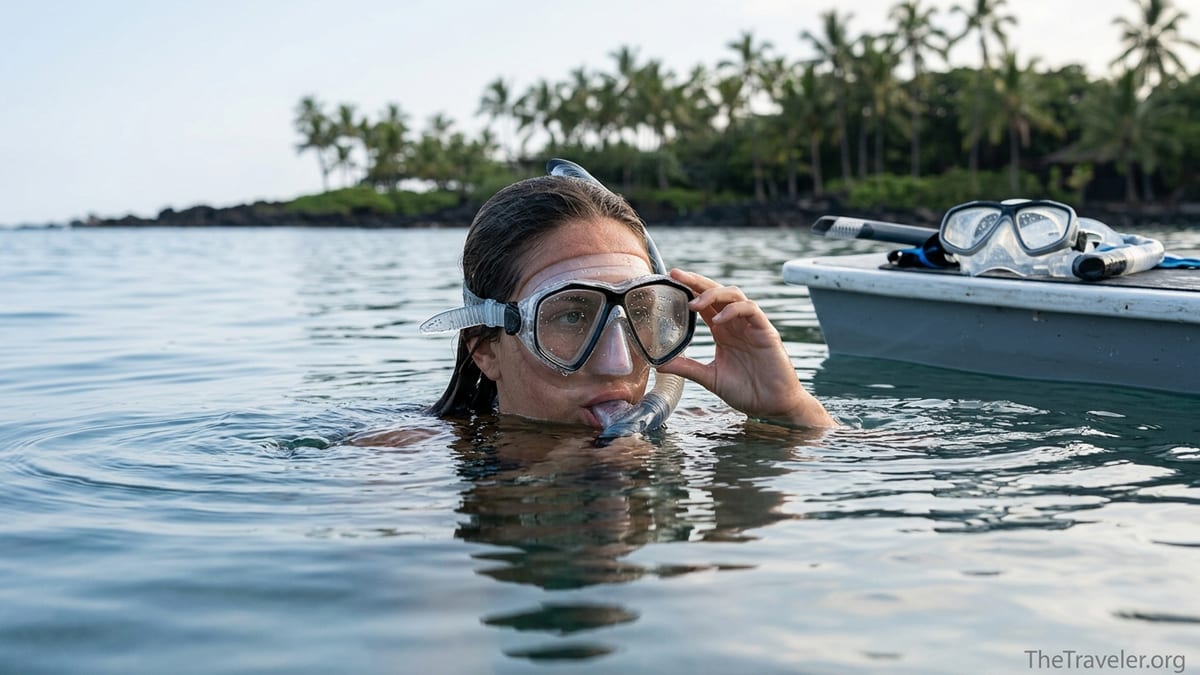
Why Mask Fit Matters More Than Features
If you remember only one rule when buying snorkel gear, make it this: fit matters more than any other feature. Dive instructors from Hawaii to the Caribbean will tell you that most complaints about masks are really complaints about fit. A 60 dollar mid range mask that seals well on your face will beat a 150 dollar high tech model that constantly leaks. Shops in Maui and Oahu often see beginners turn a great mask into a frustrating one by buying purely on looks or brand instead of how it hugs their face.
Fit is about the shape of the mask skirt meeting the contours of your face. The same Cressi F1 frameless mask that feels perfect on a narrow face in Cozumel may leak constantly on someone with wide cheekbones in Key Largo. That is why many reputable dive shops in Florida, Hawaii and the Red Sea keep sample masks on hand and strongly encourage guests to try several styles before choosing. They know that two people can put on the same mask and get completely different results in the water.
A good fit will feel comfortable when you press the mask gently onto your face and inhale slightly through your nose. The skirt should cling without the strap, and you should not feel hard pressure on the bridge of your nose or under your lip. If a shop in Honolulu or a rental desk in Cancun is in a hurry and only has time to hand you one mask in a standard size, it is worth slowing things down and trying at least two or three shapes. That ten minutes on land can save your entire snorkel day.
Travelers who buy gear online need to simulate this shop experience at home. Order from a retailer with a generous return policy and test different models in front of a mirror, with the snorkel in your mouth, before your trip. Many snorkel specific brands now design “wide fit” and “mini” versions of popular masks precisely because faces vary so much.
Understanding Mask Skirts and Materials
The mask skirt is the soft ring that seals against your face. Most modern snorkel masks use silicone skirts, although you will still find cheaper PVC based skirts in discount bundles on large online marketplaces. Silicone costs more, but for travel use it is usually worth paying for. It stays softer over time, tolerates sun and salt better, and tends to seal more reliably than the stiffer plastic like materials often found in 40 dollar resort packages.
Higher quality masks often advertise “100 percent silicone” or “liquid silicone” skirts. A popular example is the TUSA Freedom series, frequently recommended in dive shops in Thailand and the Philippines, which uses a very soft silicone that molds easily to varied face shapes. In contrast, budget kits sold on beach promenades in Cancun or the Costa Brava may feel rigid when you pinch the skirt, and that stiffness often translates into more leaks and less comfort during a two hour snorkel tour.
Some skirts are “feathered” or “double sealed.” This means there are two thin contact lines running around the edge instead of one thick ridge. That second seal line can help with small wrinkles, smile lines or minor changes in facial expression. Masks like the Cressi Big Eyes Evolution and many mid range scuba masks use this style, which can be helpful if you have pronounced laugh lines or slightly uneven cheeks.
Color is mostly personal preference, but it does change your experience. Clear silicone skirts let in more peripheral light and can feel less claustrophobic to first timers in places like Hanauma Bay. Black skirts, common on masks such as the Hollis M1, block side light and can reduce glare, which underwater photographers in Bonaire and the Maldives often prefer. From a fit and leak perspective though, what matters is softness, shape and quality of the silicone, not the color.
Single Lens, Double Lens and Panoramic Masks
Once you have a good skirt, the next choice is the lens layout. Traditional snorkel masks fall into three main groups: single lens, double lens and multi window panoramic designs. All can work well if they fit your face, so you are choosing mostly based on field of view, volume and whether you might need prescription lenses.
Single lens masks use one piece of tempered glass across both eyes. Popular travel examples include the Cressi F1 frameless and many house brand masks sold in Caribbean dive resorts. These often feel open and offer a wide, uninterrupted view, which casual snorkelers gliding over shallow reefs in Aruba appreciate. The frameless versions pack flat in a suitcase because the silicone skirt attaches directly to the glass rather than to a rigid frame.
Double lens masks separate the lenses with a nose bridge. Many classic scuba masks fall into this category, such as the Scubapro Spectra or Mares X Vision. They usually have slightly less internal volume, which makes them easier to clear if water does enter. More importantly for travelers who wear glasses, most prescription snorkel masks are double lens, with each side fitted to your individual correction. Dive centers in Cozumel and Hurghada often arrange these custom lenses for repeat guests who snorkel frequently.
Panoramic masks add small side windows for extra peripheral vision. A common example seen on snorkel boats in Mexico and the Canary Islands is the Cressi Panoramic Wide View series. These give a sense of a wraparound view, which beginners often find exciting, but the extra panels and frame joints add a little weight and more areas where hair can get trapped. Some experienced snorkelers find that a simpler single or double lens mask stays more comfortable over longer sessions, especially if they are duck diving or adjusting their strap frequently.
Fog, Leaks and Other Real World Annoyances
Even with a good mask, two problems show up again and again on snorkel tours from Hawaii to the Great Barrier Reef: fogging and leaking. Fogging happens when moisture inside the mask condenses on a cool lens. New masks are especially prone to this because the glass often has a thin factory film that attracts moisture. Rental masks on busy boats in Maui or the Whitsundays sometimes fog heavily for this reason, even when guests use defog drops.
The usual first step with a new mask is to clean the inside of the glass before your trip. At home, travelers often use a non whitening toothpaste or a purpose made mask scrub to gently remove that factory layer. On the boat, a few drops of commercial anti fog gel or diluted baby shampoo rubbed around the inside and rinsed lightly will usually keep your view clear for a typical 45 to 60 minute session. Many tour companies in Hawaii keep large bottles of defog solution on deck and ask guests to treat their masks before every entry.
Leaks have many causes, most of them simple. In practice, guides in places like Hanauma Bay and Molokini Crater see the same issues repeatedly: hair trapped under the skirt, straps pulled far too tight, sunscreen or makeup on the seal area, or a mask whose shape simply does not match the guest’s face. On busy days in Maui, staff sometimes fix half the leaks just by loosening masks and smoothing long hair out of the way.
If your mask starts leaking on a trip, first check the basics. Take it off in shallow water or on the boat, clean away sunscreen around the seal area, clear any hair from the skirt, then reseat the mask gently and snug the strap just enough to hold it in place. If you are borrowing gear from a tour operator, do not hesitate to ask for a different size or model. Many reputable operators in the Florida Keys or Turks and Caicos keep at least a small and a large fit option for this exact reason.
Facial Hair, High Cheekbones and Other Fit Challenges
Facial hair is one of the most common reasons masks leak, especially on the upper lip. Mustaches create a channel where water can sneak under the skirt no matter how high quality your gear is. Dive shops from Bali to Belize often warn bearded snorkelers that a completely dry mask may be unrealistic and that a slow trickle of water is normal with certain beard shapes.
Travelers with mustaches have a few options. One is to trim a narrow strip under the nose where the mask skirt will sit. This is common advice in dive centers on liveaboards in the Red Sea and Indonesia, where guests may spend a week snorkeling daily. Another is to use a small amount of mustache wax or a silicone safe mask seal cream along the mustache line, though guides usually caution against petroleum based products, which can degrade silicone over time. A third is to accept a tiny leak and periodically clear a bit of water from the mask by lifting the skirt at the bottom and exhaling through the nose.
Other face shapes present their own puzzles. People with very high cheekbones sometimes find that smiling or talking breaks the seal, especially with low volume masks that sit close to the eyes. Dive instructors in Cozumel sometimes steer such guests toward masks with a slightly deeper skirt under the nose, so the seal sits a little lower on the cheek. Those with very narrow faces may do better in “mini” or “small fit” versions of popular masks, which brands like Oceanic and Cressi produce specifically for smaller adult faces.
If you wear a hood or have long hair, pay extra attention when donning the mask. Many experienced snorkelers in colder waters off California and the Mediterranean fold the hood back slightly at the forehead and temples, then pull it over the skirt after the mask is seated. With long hair, a soft neoprene strap cover can reduce tangles and help the strap lie flat, which reduces chances of it pulling the skirt upward and causing leaks when you turn your head.
Lens Materials, Safety and Vision Needs
Most quality snorkel masks use tempered glass lenses. Tempered glass is heat treated for strength and, if it breaks, it tends to crumble into small blunt pieces instead of sharp shards. Diving organizations and many youth aquatics programs in the United States explicitly recommend tempered glass lenses for safety. When you inspect a mask in a shop from Miami to Honolulu, look for a tiny “tempered” mark etched in the corner of the glass.
Cheaper full face masks and some low cost snorkel sets may use polycarbonate or other plastics instead of tempered glass. These lightweight lenses resist shattering but can scratch more easily and sometimes distort vision slightly. In calm, shallow lagoons where snorkelers are not diving down or near heavy equipment, that may be acceptable, but for most travel use a tempered glass mask remains the standard recommendation. The slight extra weight is usually worth the clearer view and better scratch resistance on repeated trips.
Travelers who normally wear glasses should think ahead. Over mask contact lenses work well for many snorkelers, and daily disposable lenses are a popular choice on resort trips to avoid dealing with cleaning solutions. For those who prefer not to use contacts, prescription double lens masks are widely available through dive shops and online retailers. It is common, for example, for frequent visitors to Bonaire or Curacao to have their own prescription mask set up with lenses matched to their most recent optometrist prescription so that the underwater world appears crisp instead of slightly blurred.
Color and coatings also matter slightly. Clear lenses show colors as they are, which many tropical snorkelers prefer. Some masks include subtle mirrored or tinted coatings marketed as glare reducers. These can help in bright shallows in places like the Maldives or northern Australia but may make shaded caverns and overhangs seem darker. For general travel, a plain clear tempered glass lens paired with a good anti fog routine is usually the most flexible choice.
How to Test a Mask Before You Buy
Testing a mask properly before purchase saves you from packing disappointment. In a brick and mortar dive shop, start by holding the mask to your face without using the strap. Look in a mirror, check that the skirt touches skin evenly all around and that nothing digs into the bridge of your nose or presses against your forehead. Then inhale gently through your nose. The mask should stay in place without you holding it, using only that slight suction.
Next, place a snorkel or regulator in your mouth if the shop has one handy. This changes your facial shape, especially around the upper lip and cheeks. Many divers in training in Florida only discover leaks after they start using a mouthpiece, so it pays to test this upfront. Look around, simulate smiling or talking, and check that no part of the skirt pops away from your skin. If the mask feels like it only seals when you inhale very strongly, that can be a sign that the skirt shape is not ideal for your face and will probably need constant readjustment in the water.
If you are buying online for a trip to somewhere like Hawaii or the Bahamas, do a “dry fit” at home. Stand in front of a mirror, follow the same steps with gentle inhalation and a snorkel in your mouth, and leave the strap relatively loose. Wear the mask for ten or fifteen minutes while you move your jaw, talk or mimic turning your head to watch fish. Any hotspots, pinching or sudden leaks of air indicate that another size or model might serve you better before you are boarding a boat.
For travelers with less common face shapes, it can be worth visiting a specialist dive shop at home even if your main activity is surface snorkeling on vacation. Staff there are used to fitting masks on dozens of faces every week and can often suggest models you might not encounter in general sporting goods stores or beach kiosks.
The Takeaway
A snorkel mask seems simple, but it is the single piece of gear that most strongly shapes your time in the water. Spending a little extra attention on fit, skirt quality and lens choice pays you back every time you float over a reef in clear water. A good mask should disappear on your face, leaving you free to relax, breathe and watch the underwater world glide past.
On real trips, the happiest snorkelers are rarely the ones with the flashiest gear. They are the people whose masks fit quietly and do not demand constant adjustment. Whether you are renting equipment in Hawaii, buying a starter set before a Caribbean cruise, or upgrading to a prescription mask for regular visits to your local reef, understanding the basics of fit, leaks, anti fog and lens types gives you control. Instead of hoping a random mask will work, you can choose confidently and know what to adjust when something feels off.
Before your next trip, take time to test a few options, prepare your new mask properly at home, and pack a small bottle of anti fog. When you slide into warm water off a boat in Belize or step off the beach in the Florida Keys and your mask stays clear and dry from the first minute to the last, you will know that preparation was worthwhile.
FAQ
Q1. How tight should my snorkel mask be?
A snorkel mask should be just tight enough that it seals when you inhale gently through your nose, but not so tight that it leaves deep marks or causes a headache after a short session.
Q2. How can I stop my mask from fogging up?
Clean a new mask with a mild scrub, then before each swim use a dedicated anti fog solution or a few drops of diluted baby shampoo on the inside of the lens and rinse lightly.
Q3. Is a single lens or double lens mask better for snorkeling?
Neither is automatically better. Single lens masks often feel more open, while double lens masks can be easier to clear and are usually the choice if you need prescription lenses.
Q4. Are panoramic masks worth it for casual snorkelers?
Panoramic masks with side windows can feel immersive, but they add a bit of weight and complexity. Many travelers are just as happy with a simpler single or double lens design that fits well.
Q5. What should I do if my mask keeps leaking around my mustache?
Try trimming a narrow strip of hair under your nose where the skirt rests, apply a small amount of mustache wax to smooth the hairs, and accept that a tiny trickle of water may still be normal.
Q6. Does skirt color matter for how a mask performs?
Performance mainly depends on silicone quality and fit, not color. Clear skirts feel brighter and more open, while black skirts reduce glare and are popular with underwater photographers.
Q7. Can I snorkel safely with a cheap full face mask from an online marketplace?
Some full face masks work acceptably in calm, shallow water, but quality varies. Make sure any full face mask fits well, has clear anti fog and safety instructions, and avoid using it for strenuous swimming or deep dives.
Q8. How do I know if a mask will work with my prescription needs?
If you wear strong glasses and do not like contacts, look for a double lens mask that can be fitted with prescription lenses, or buy one with off the shelf corrective inserts close to your prescription.
Q9. How long can a good snorkel mask last?
With proper rinsing in fresh water, storage out of direct sun and no harsh chemicals on the silicone, a quality tempered glass and silicone snorkel mask can stay usable for many years of trips.
Q10. Is it better to rent a mask at my destination or bring my own?
Rentals are fine for occasional use, but bringing your own mask that you have already tested and prepared at home usually gives a more comfortable, leak free experience on every trip.