


More news on this day
Seabourn is charting an expansive return to the Caribbean for the 2028–29 season, unveiling a program of luxury voyages that will visit 21 island destinations on a series of yacht-style itineraries.
Get the latest news straight to your inbox!
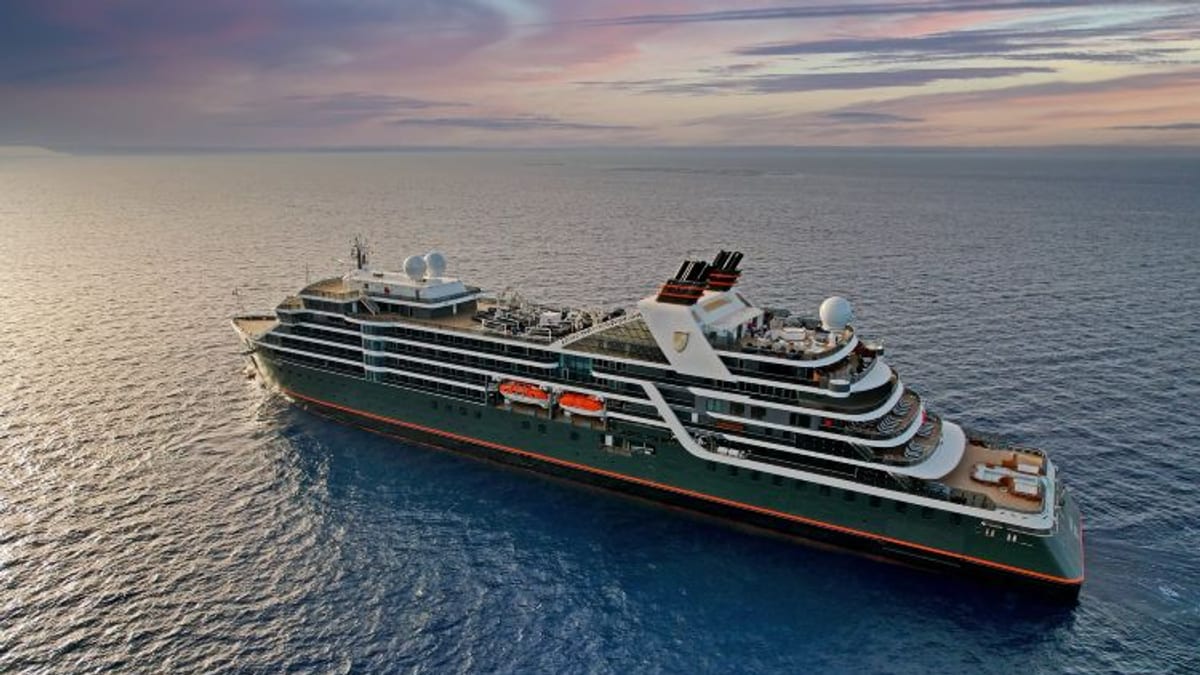
Expanded Caribbean Program Anchors Ruby Jubilee Era
Publicly available information from Seabourn’s 2027–29 ocean deployment shows that the line is using the late-2020s to deepen its presence in the Caribbean as it approaches its 40th anniversary in 2028. The new 2028–29 Caribbean program builds on deployments already announced for winter 2027–28, when Seabourn Ovation and Seabourn Quest are scheduled to operate a series of seven to 14 day sailings covering 21 islands across the region.
The 2028–29 Caribbean collection is positioned as a core pillar of Seabourn’s broader long-range plan, which includes a 2028 world cruise and expanded expedition itineraries. Marketing materials describe the Caribbean season as an opportunity for guests to ease into “island time” while still enjoying the line’s signature small-ship atmosphere and inclusive onboard experience.
Industry coverage of Seabourn’s deployment strategy indicates that demand for warm-weather sailings in the Americas remains strong, with high occupancy levels encouraging lines to commit ships further in advance. Against that backdrop, Seabourn’s decision to publish a multi-year Caribbean roadmap through early 2029 signals confidence in the region’s continued appeal among luxury travelers.
While the company has not detailed every individual departure publicly, planning documents and trade releases outline a schedule that stretches from late autumn through early spring, timed to capture the height of the Caribbean’s dry season and holiday travel peaks.
Yacht-Style Harbors and Classic Island Favorites
Seabourn’s 2028–29 Caribbean voyages are designed to blend marquee islands with smaller yacht harbors that are typically beyond the reach of larger cruise ships. Destination pages for the Caribbean highlight an emphasis on intimate bays, historic towns and protected coves, reinforcing the line’s longstanding focus on “resort at sea” experiences in less crowded settings.
Based on recent and current Seabourn itineraries, industry observers expect the 2028–29 Caribbean collection to feature a mix of ports such as Barbados and St Maarten alongside more boutique calls including Carambola Beach in St Kitts and other tender-access beaches. These patterns mirror Seabourn’s existing “yachtsman’s Caribbean” style routes that pair well-known islands with off-the-beaten-path anchorages.
Trade publications report that the 21 islands in the broader 2027–28 Caribbean deployment span the Eastern and Southern Caribbean arcs, linking destinations like the French Antilles, the Grenadines and the Dutch Caribbean with traditional cruise gateways. That framework is likely to carry forward into 2028–29, giving repeat guests new combinations of familiar and lesser-known islands without abandoning the line’s established favorites.
For many of these ports, Seabourn’s smaller ship size allows closer access to town centers and beaches. Travel advisors say this remains a deciding factor for luxury cruisers who prefer shorter transfer times ashore and the ability to step directly into historic districts, harborside promenades or secluded coves.
Seasonal Timing and Itinerary Lengths
According to deployment summaries released for the surrounding years, Seabourn is concentrating its Caribbean operations in the months when weather is typically most favorable. Between roughly November and March, the line positions its ocean ships in the region before they transition to transatlantic crossings, European seasons or extended world voyages.
The 2028–29 Caribbean program continues the pattern of weeklong and longer sailings, with many itineraries in the seven to 14 day range and selected longer segments that can be combined for extended journeys. Industry coverage of Seabourn’s 2027–29 portfolio notes that flexible segmenting has become a key feature, allowing guests to book stand-alone Caribbean weeks or link them with Panama Canal, South America or transatlantic sectors.
Schedules published for nearby seasons show that some voyages originate in traditional U.S. gateway ports while others use island hubs such as Bridgetown, Barbados. This combination offers North American guests convenient access while also appealing to travelers who prefer fly-in, fly-out Caribbean turnarounds on smaller ships.
Analysts tracking luxury cruise deployment note that the length and timing of Seabourn’s Caribbean voyages are calibrated to avoid peak hurricane season and to align with school holidays, festive periods and the wider pattern of high-yield winter cruising in the region.
Onboard Luxury Framing the Island Experience
Seabourn promotes its Caribbean cruises as an all-inclusive, ultra-luxury alternative to larger contemporary ships operating similar routes. Public descriptions of the onboard product emphasize spacious suites, nearly all with verandas, along with inclusive fine dining, premium beverages and gratuities bundled into the fare.
In destination-focused materials connected to the Ruby Collection of voyages, the line underscores experiences that link ship and shore, such as beach events, water sports from the ship’s marina and destination-themed culinary offerings. For Caribbean sailings, this approach is positioned as a way to extend the sense of place beyond time in port, with regional flavors, rum tastings and island-inspired menus on board.
Recent coverage of Seabourn’s product evolution indicates that wellness programming, small-group shore excursions and curated cultural encounters continue to be priorities across all regions. In the Caribbean, that translates into options ranging from historical walking tours and rum distillery visits to sailing trips and snorkeling in marine reserves, often with limited group sizes compared with mainstream lines.
Observers note that these elements are central to Seabourn’s competitive positioning in the Caribbean market, where numerous premium and luxury brands vie for guests seeking privacy, personalization and a quieter onboard atmosphere.
Positioning Within a Competitive Luxury Cruise Landscape
The announcement of Seabourn’s 2028–29 Caribbean voyages comes at a time when the broader luxury cruise sector is intensifying its focus on the region. Other upscale brands are also expanding their Caribbean footprints, reflecting the area’s enduring popularity and its role as a winter homeporting hub for the global fleet.
Cruise industry analysts point out that Caribbean deployment remains one of the most profitable segments for many North American lines, with high year-round demand and established airlift infrastructure. Seabourn’s decision to secure long-range Caribbean schedules into 2029 aligns with that trend and gives travel advisors more lead time to package voyages with pre- and post-cruise stays.
At the same time, Seabourn’s emphasis on small ships and yacht-style ports sets it apart within a region dominated by large newbuilds from mainstream operators. Publicly available deployment plans show that rather than chasing ever-larger vessels, the line is refining itineraries that highlight access and intimacy.
As bookings open across the 2028–29 window, the Caribbean segment of Seabourn’s portfolio is expected to play a prominent role in marking the brand’s Ruby Jubilee era, offering returning guests new combinations of islands while inviting first-time cruisers to experience the line’s interpretation of luxury in one of the world’s most familiar cruise regions.