


Seven Mile Beach in Grand Cayman is one of the Caribbean’s most famous shorelines, and it is also one of the most confusing when it comes to beach clubs and day passes. Parts of the beach are lined with luxury resorts that feel private, others are simple public sections with a few chair rentals, and several long-time beach clubs have closed or are being redeveloped. If you are visiting for just one day by cruise ship, or you are a family on a budget wondering whether to pay for loungers and a day pass, it pays to understand how things actually work on the sand in 2026.
Get the latest updates straight to your inbox!
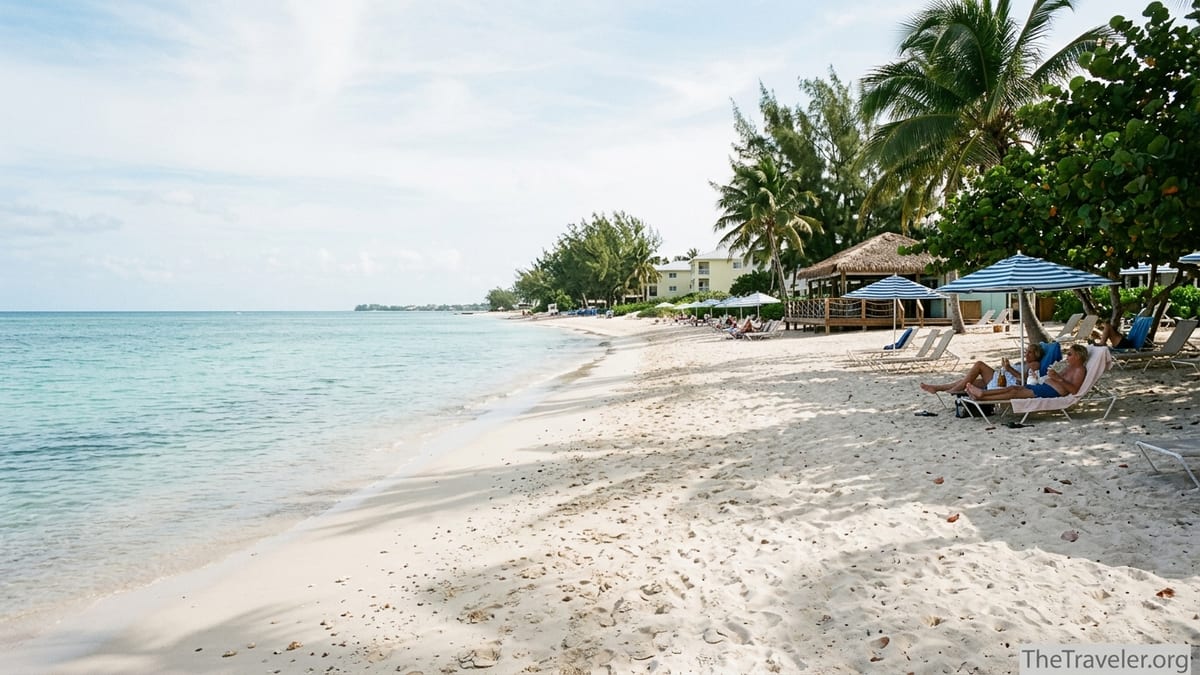
How Seven Mile Beach Works Today
Seven Mile Beach stretches along Grand Cayman’s west coast and remains completely public, which means anyone can walk the shoreline and swim in the sea regardless of where they are staying. In reality the uninterrupted sandy section is a bit shorter than seven miles, but from the cruise port in George Town right up to West Bay you will find a patchwork of resort fronts, public beach accesses and quieter residential stretches. The key point for visitors is that you do not need to pay a beach club simply to use the water or stroll the sand.
Most of the beachfront that feels “private” is simply resort-operated, with loungers and umbrellas reserved for hotel guests. Non‑guests are free to walk past in the wet sand but generally cannot just grab a chair without paying. Dedicated beach clubs, which used to be a bigger feature of Seven Mile, are currently limited, and several famous names such as Royal Palms have been closed for multi‑year redevelopment. New beach venues are slowly opening, but the most reliable setup for 2026 is a mix of public beaches with chair rentals and a few resorts that sell some form of day access.
The beach itself has changed in recent years because of erosion from storms and higher seas, so the depth of sand in front of individual properties can shift from season to season. Some hotels that once had wide fronts now have only a narrow strip at high tide, while public areas like Seven Mile Public Beach and Governor’s Beach still tend to offer generous space. That makes understanding where to base yourself for the day even more important, especially if you are buying loungers for a family or arriving with hundreds of fellow cruise passengers.
Because the shoreline is public, it is entirely possible to enjoy an excellent day on Seven Mile without ever entering a formal beach club. For many people, especially cruisers and budget‑minded travelers, the smartest strategy is to use a public access with basic services instead of paying for an all‑inclusive beach day. The rest of this guide breaks down your options so you can decide when a paid beach club is worth the splurge and when it is not.
Public Beach Areas vs Classic Beach Clubs
The most important distinction on Seven Mile Beach is between fully public sections with a few vendors and structured beach clubs that feel like stand‑alone venues. Seven Mile Public Beach, a large government‑managed park north of most resorts, is the main hub for chair and umbrella rentals, food stalls and family‑friendly facilities. Here you will usually find independent operators setting up rows of loungers and umbrellas, often charging in the range of 15 to 25 US dollars per lounger and 15 to 20 US dollars per umbrella for the day, with prices varying by season and cruise traffic.
Governor’s Beach, just south of Seven Mile Public Beach in front of the Governor’s residence, is technically another public access but has a different feel. There is more natural shade from seagrape trees and fewer permanent vendors, which makes it popular with residents and visitors who bring their own towels, snacks and cooler. You may see the occasional beach chair rental here on busy days, but it is far less structured than the main Public Beach. Families who prefer a quieter, more local atmosphere often favor Governor’s Beach, especially in the morning before the cruise crowds arrive.
Classic standalone beach clubs, where you pay for entry and then rent or receive loungers, used to be epitomized by places like Royal Palms near the middle of Seven Mile. That property has been closed for several years and is in the midst of redevelopment as a new beach complex, with local discussion suggesting some kind of beach venue may reopen in the coming winter season. Until that happens, visitors hoping for a single, large-scale beach club with pools, DJ music and rows of daybeds will find fewer options than they might expect for such a famous beach.
In practice, many travelers now treat resort beachfronts that welcome outside guests as de‑facto beach clubs. Some hotels sell a limited number of day passes or offer paid cabana and lounger access that behaves similarly to a beach club ticket. Others will seat walk‑in guests at their beach bar and restaurant areas and allow them to use a few loungers as long as they are actively ordering. These informal arrangements work well when the beach is not too crowded but can be restricted when the resort is busy or a large wedding group is in‑house.
Day Passes: What You Actually Get for Your Money
Day passes on Seven Mile Beach typically fall into two categories: simple access to loungers and umbrellas with a food and drink minimum, and more premium resort day passes that add pools, changing facilities and sometimes non‑motorized water sports. Prices move with demand, so a ship‑heavy week in high season will be more expensive than a quiet week in September. As of 2026, many travelers report paying roughly 40 to 60 US dollars per person for basic beach club access with a chair, umbrella and a food or drink credit at mid‑range properties.
Some upscale resorts closer to the central part of Seven Mile occasionally market day passes that include pool use, showers, Wi‑Fi and a welcome drink, often through hotel concierges or third‑party excursion providers. These can run from about 80 to 150 US dollars per adult, sometimes more if they include open bar or a buffet lunch. Typically children’s prices are a bit lower, and toddlers may be free. Exact inclusions change frequently, so it is wise to confirm what is currently offered via the resort or a reputable on‑island tour desk rather than relying on past traveler reviews.
Compared with the cost of simply renting chairs at a public section, these day passes become worthwhile when you value upgraded bathrooms and changing rooms, freshwater pools, shaded dining areas and attentive beach service. For example, a family of four paying around 80 US dollars in total for four loungers and two umbrellas at Public Beach plus lunch at a snack shack might spend a similar overall amount as buying a 90‑dollar resort day pass that includes a food credit, but the resort option would give them pool access, branded towels and better showers. The trade‑off is that public beaches feel more relaxed and flexible, while resort day passes tend to be more structured and capacity‑controlled.
Another factor is weather and sea conditions. On calmer days, when Seven Mile’s characteristic turquoise water is like glass, the difference between public and private setups is mostly about comfort. On windier days, having a sturdy hotel umbrella, windbreak and easy access to indoor space can genuinely improve your experience. If rain showers are forecast for the afternoon, a resort day pass can give cruise visitors peace of mind, since they have somewhere dry to sit and eat if a squall blows through while the ship’s tenders are paused.
Loungers, Umbrellas and Food: What to Expect on the Sand
Wherever you base yourself along Seven Mile Beach, loungers and shade are the two most important practical decisions. Public Beach vendors typically offer simple plastic loungers with thin cushions and standard beach umbrellas that can be tilted against the sun. Prices are often negotiable if you arrive early or are renting multiple chairs; cruise visitors commonly report paying about 20 US dollars per lounger including an umbrella on quieter days, although rates climb when several ships are anchored offshore. Payment is usually in US dollars or Cayman dollars, with cash preferred by smaller operators.
Food and drink at public sections come in the form of snack shacks, beach bars and food trucks set just back from the sand. Menus are straightforward: burgers, grilled chicken sandwiches, fish tacos, fries, salads and a kids’ menu, at prices that are usually comparable to a casual restaurant in a US tourist town. Expect around 15 to 25 US dollars for a main dish and 10 to 15 US dollars for cocktails, with happy hour specials available in the late afternoon. Alcohol rules are enforced, so vendors will not serve obviously intoxicated guests, and drinking in the water is discouraged for safety.
Resort beach clubs and day‑pass setups tend to offer better quality loungers with thicker cushions, larger umbrellas or fixed palapas, and more attentive food and beverage service. You might have a dedicated server taking orders at your chair, a full cocktail list and a broader menu that includes sushi, fresh local fish and upscale bar snacks. Prices are correspondingly higher, but you are paying for comfort, style and service. Some properties offer tiered options: a basic lounger rental, a mid‑range shaded daybed and a premium cabana package that includes bottled water, a fruit platter and even a Bluetooth speaker.
One practical tip is to confirm whether your lounger rental or day pass includes access to restrooms and changing rooms that are easy to reach from the sand. At Seven Mile Public Beach, bathrooms and changing facilities are available in the park area behind the sand, but lines can form when several buses of cruise passengers arrive at once. At resorts, restrooms are usually just off the pool deck and kept in hotel condition, which can make a big difference over the course of a six‑hour beach day with children.
Cruise Visitors: Best Spots, Transport and Timing
For cruise passengers tendering into George Town, time is limited and beach club decisions have more pressure. Most ships anchor offshore and run tenders starting mid‑morning, so many cruisers do not reach Seven Mile Beach until around 10 or 11 a.m. The simplest option is to take a taxi or minibus directly from the tender pier to Seven Mile Public Beach, Governor’s Beach or a prebooked resort day pass. Shared taxis and local minibuses along West Bay Road typically charge per person and can be cheaper than private cabs, but they may stop frequently.
If you want a structured all‑inclusive experience with guaranteed loungers, shade and lunch, booking a day pass through your cruise line or a well‑reviewed independent operator can be worth the premium. These packages often include round‑trip transportation, reserved chairs, an umbrella and a set food and drink inclusion, which removes the stress of haggling on site. However, you will be sharing the venue with dozens or hundreds of fellow passengers from the same ship, and quiet is not guaranteed. Travelers who prefer a more local, flexible day often simply head for Governor’s Beach with a towel, stopping at a supermarket or bakery on the way to pick up snacks and cold drinks.
Timing matters as well. On days when multiple large cruise ships are in port, Seven Mile Public Beach can fill up quickly, and chair prices can edge higher by late morning. Arriving on one of the first tenders and going straight to the beach usually means cooler temperatures, easier negotiations and better lounger locations. If your ship is in port until late afternoon, you may see a lull mid‑day when some passengers head back to town for shopping, followed by a second wave of people chasing the sunset. Planning your beach visit for the first half of your port day is often the least stressful approach.
Another consideration for cruise passengers is travel time back to the tender pier. West Bay Road traffic can back up in the late afternoon when locals leave work and multiple ship tours converge. Always allow a healthy buffer, and if you have booked a private day pass or traveled independently to a resort beachfront, confirm with staff how long it usually takes to reach the pier at that time of day. Beach club staff are used to cruise guests and will often suggest when you should call a taxi to leave a comfortable margin before final tender.
Families, Couples and Budget Travelers: Who Should Pay for a Beach Club?
Whether a beach club day pass is worth it depends heavily on who you are traveling with and how you like to spend time at the beach. Families with young children often value shade, bathrooms, food options and space to move around more than strictly luxurious surroundings. For them, Seven Mile Public Beach combined with a reasonably priced lounger and umbrella rental can be ideal. Children can splash in the calm shallows, play at nearby playground equipment if available, and grab simple meals without parents worrying about strict resort rules or quiet‑zone pools.
Couples on a honeymoon or a short Caribbean getaway, by contrast, may find that a splurge on a resort day pass or a premium cabana is money well spent. Having a quieter corner of the beach, upgraded loungers, attentive cocktail service and access to an adults‑friendly pool can turn a standard beach day into something more memorable. For example, paying around 120 to 150 US dollars per person for a high‑end pass might feel steep, but when you factor in a sizable food and drink credit, use of non‑motorized water sports and elegant surroundings, many couples consider it part of their overall romantic trip budget rather than a simple beach fee.
Budget travelers and independent explorers will generally get the best value by skipping formal beach clubs entirely. Bringing a lightweight travel towel, a sun hat and reef‑friendly sunscreen and setting up in the free sand at Governor’s Beach or a quieter access point can cost almost nothing beyond transport and any food or drinks you choose to buy. A small foldable umbrella, purchased at a hardware store in George Town, can pay for itself in a single day compared with renting beach umbrellas. This approach does involve more self‑sufficiency, but it fits perfectly for backpackers, digital nomads and repeat visitors who care more about the water than curated facilities.
An in‑between strategy some travelers use is to spend the morning at a free or low‑cost public section, perhaps with a local coffee and pastry from a nearby bakery, and then shift to a resort bar area for a late lunch and a couple of cocktails. By timing your meal outside the busiest period and being courteous, you can often enjoy the ambiance of a nicer property without paying for a full day pass. Just remember that loungers directly in front of hotels are usually for registered guests unless you have clearly arranged and paid for access.
Practical Tips for Getting the Most From Your Day
A good Seven Mile Beach day starts with packing the right basics. Reef‑safe sunscreen, a wide‑brimmed hat, sunglasses and a light cover‑up are essential, as the Caribbean sun is intense even on overcast days. Bring cash in small denominations for taxis, bus fares and chair rentals, since some independent vendors do not accept cards or may have card machines that lose connectivity. A reusable water bottle that you can refill at your beach club or a nearby shop will save money and reduce single‑use plastic.
If you plan to rent loungers, ask clearly what is included in the quoted price. On busy days, some vendors might quote a rate that covers two loungers and an umbrella as a package, while others charge separately for each. Clarify whether the rental is truly for the whole day or only until a specific hour, and whether you can leave your belongings on the chairs while you take a walk. It helps to take a quick photo of your setup and the vendor’s sign or T‑shirt so you can find the same operator again if the beach is crowded.
Snorkeling equipment is another consideration. Sections of Seven Mile Beach have small reefs just offshore, and travelers often bring or rent masks and snorkels to explore. If your beach club or resort day pass includes snorkeling gear or stand‑up paddleboards, that can add a lot of value, especially for families with older children or teens. If not, renting a basic mask and snorkel set from a vendor can cost a noticeable extra amount, so budget accordingly if snorkeling is a priority for your group.
Finally, be mindful of local etiquette and regulations. All beaches are public, but the land above the high‑water mark behind hotels and private homes is not. Stay along established access paths, avoid blocking entrances to private properties, and keep music and noise at a respectful level, especially near residential areas. Glass on the beach is strongly discouraged due to safety, so choose cans or plastic cups when ordering drinks. Respect for the environment and local community helps ensure Seven Mile Beach remains as beautiful and welcoming for future visitors as it is today.
Is a Seven Mile Beach Club Worth It? A Quick Value Check
To decide whether a beach club day pass on Seven Mile is worth the cost, compare what you would naturally spend on a simple beach day with what the pass includes. Start by adding up taxi fares or bus tickets, likely food and drink spending, and the price of a lounger and umbrella rental at a public beach. For many visitors, that total lands somewhere between 60 and 120 US dollars for two people over the course of a day, without any premium amenities. If a resort is offering a day pass at a similar or only slightly higher price that includes a food and beverage credit, better facilities and perhaps a pool, then the beach club represents solid value.
On the other hand, if prices for day passes have surged because multiple ships are in port or a particular property is in vogue, you may find yourself looking at 150 to 200 US dollars per person for inclusions you will barely use in a short port stop. In those cases, public beaches or a low‑key bar with a few chairs on the sand will give you the same turquoise water and soft sand for a fraction of the price. Remember that the main attraction of Seven Mile is the sea itself; everything else is comfort and convenience layered on top.
Families and groups should also consider how much time they will realistically spend at the beach. If you are docking at noon and must be back on board by early evening, a four‑hour window does not justify the same investment as a full ten‑hour beach day for hotel guests. Similarly, if some members of your party are likely to get restless on a lounger after an hour or two and wander off to shop or explore George Town, paying top dollar for a premium cabana they barely use makes little sense.
For many travelers, the sweet spot is a modest but comfortable setup at Seven Mile Public Beach or a similar access point, with one or two small luxuries such as a shaded lounger or a couple of nice cocktails. Resort beach clubs and day passes make sense when you place a high value on comfort and amenities, are celebrating a special occasion, or simply want a stress‑free, all‑organized day. Otherwise, the beach’s public nature means you can DIY a fantastic experience with a bit of planning and flexibility.
FAQ
Q1. Do I have to pay a fee just to use Seven Mile Beach?
No. Seven Mile Beach is public, and you can always walk the shoreline and swim for free. You only pay for extras like loungers, umbrellas, food and drinks.
Q2. How much do loungers and umbrellas usually cost at Seven Mile Public Beach?
Prices vary, but many visitors report paying around 15 to 25 US dollars per lounger and 15 to 20 US dollars per umbrella for a full day, with higher prices on busy cruise days.
Q3. Is it cheaper to use a public beach or buy a resort day pass?
For most budget travelers and families, renting chairs at a public section and buying food as you go is cheaper. Resort day passes cost more but include pools, better facilities and food or drink credits.
Q4. Can cruise passengers easily get to Seven Mile Beach from the port?
Yes. From the George Town tender pier, it is a short taxi or minibus ride along West Bay Road to Seven Mile Public Beach, Governor’s Beach or resort areas. The trip usually takes 10 to 15 minutes in light traffic.
Q5. Do resorts on Seven Mile allow non‑guests to use their beach chairs?
Many resorts reserve loungers for in‑house guests, but some sell limited day passes or may seat outside guests using bar areas if they are actively ordering. Always ask before sitting, and expect to pay or have a minimum spend.
Q6. Is Seven Mile Beach suitable for children and non‑swimmers?
Yes. The water is usually calm and shallow close to shore, making it very family‑friendly. Parents should still supervise children closely and be cautious on days with stronger waves or currents.
Q7. What should I bring if I want to avoid paying for a beach club?
Bring a towel or travel beach mat, reef‑safe sunscreen, hats, reusable water bottles and snacks from a supermarket. A small portable umbrella can also save money compared with renting shade on the sand.
Q8. Are there showers and bathrooms at the public sections of Seven Mile Beach?
Seven Mile Public Beach has public restrooms and basic changing facilities, though they can be busy on cruise days. Governor’s Beach and smaller accesses may have more limited or portable facilities.
Q9. Is snorkeling good directly from Seven Mile Beach?
There are a few small reefs close to shore along Seven Mile where you can see fish and coral, but serious snorkelers often book separate boat trips to dedicated reef and shipwreck sites for better visibility and marine life.
Q10. When is a beach club day pass on Seven Mile really worth it?
It is most worthwhile if you value upgraded loungers, pool access, nicer bathrooms and full food and drink service, or if you are celebrating a special occasion and want a more exclusive, hassle‑free beach day.