


More news on this day
British holidaymakers and business travellers flying in and out of the UK are being warned to brace for severe and prolonged disruption, after a major air traffic control systems issue led to mass flight cancellations and what travel expert Simon Calder has described as “awful and getting worse” conditions for passengers.
Get the latest news straight to your inbox!
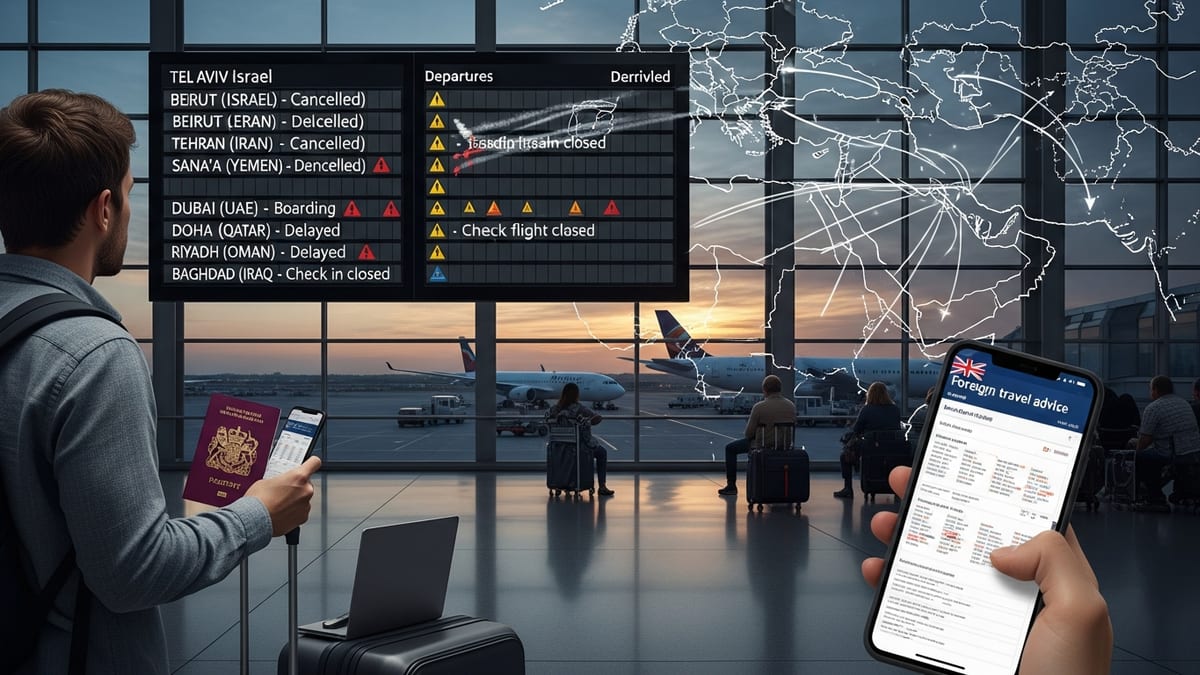
System failure triggers wave of cancellations
Reports from UK and international media indicate that a significant technical issue affecting air traffic control has forced widespread cancellations at key UK airports, disrupting flights across Europe and beyond. According to published coverage, around 1,700 flights were cancelled in a single day as controllers struggled to restore normal operations and airlines scrambled to reorganise schedules.
London Heathrow and Gatwick have been highlighted as among the worst affected hubs, with knock-on disruption rippling out to regional airports and major European gateways. Coverage of the incident notes that cancellations and delays are impacting both outbound and inbound services, affecting passengers at the start and end of their trips.
Calder, a long-standing travel commentator, has publicly warned that conditions for anyone flying abroad from the UK are likely to remain extremely challenging in the short term. He described the situation as “awful” and suggested that the fallout from the systems failure is likely to intensify before operations stabilise.
Reports also indicate that some passengers and commentators are now turning to alternative modes of transport, such as ferries and rail, to avoid the most congested airports, reflecting the scale of the disruption across the aviation network.
Heathrow and Gatwick at the centre of the chaos
Coverage of the disruption suggests that Heathrow has borne the brunt of the crisis, with hundreds of flights cancelled or heavily delayed. The airport’s role as a primary hub for long-haul services has amplified the impact, leaving travellers stranded not only in Europe but also in destinations across North America, the Middle East and Asia as connections collapse.
Gatwick, a key base for European leisure and short-haul services, has also seen extensive cancellations. Reports indicate that both airports are facing mounting logistical challenges as grounded aircraft, crew scheduling problems and passenger backlogs combine to restrict how quickly operations can recover.
According to news coverage, major carriers such as British Airways and easyJet have cancelled hundreds of flights between them, while low-cost airlines including Ryanair have also been heavily affected. Each cancellation can strand hundreds of passengers at a time, rapidly multiplying the number of people stuck abroad or unable to start their journeys.
Airport operators and airlines are advising passengers to check the status of their flights before travelling to the airport, and to expect crowding, long queues and last-minute gate changes even when services are still operating.
Thousands of passengers stranded abroad
Reports from affected travellers and media outlets describe a familiar pattern for many passengers caught up in the disruption: extended waits at the gate or on board aircraft, followed by late-night cancellations and difficulties finding accommodation or rebooked flights. Publicly available coverage suggests that well over 100,000 people may be out of position worldwide as a result of the cascading cancellations.
Travel reports highlight cases of holidaymakers in Mediterranean destinations such as Rhodes and Rome, as well as other European cities, who are struggling to secure new flights home. With peak-season load factors already high, spare seats are limited, and passengers are in some instances being told that the earliest available alternatives could be several days away.
According to consumer travel guidance sites, airlines are generally responsible for arranging replacement transport and, where necessary, accommodation and meals when flights are cancelled. However, the sheer number of affected passengers can make it difficult for carriers to provide immediate assistance, leaving some travellers to arrange hotels and onward journeys independently and seek reimbursement later.
Industry observers warn that the displacement of aircraft and crews could take several days to unwind. This means that even passengers whose flights were scheduled well after the original systems failure may still encounter cancellations, missed connections or significant delays.
What travellers flying abroad should do now
Consumer travel resources recommend that anyone due to fly in the coming days takes a proactive approach. Checking flight status on airline apps or websites before leaving for the airport is essential, as schedules are being updated frequently and last-minute changes are common when air traffic control restrictions are in place.
Passengers are also being advised to familiarise themselves with their rights in the event of cancellations or long delays. Under UK and EU regulations, travellers on qualifying flights are entitled to care, assistance and, in some circumstances, financial compensation. Specialist consumer sites explain that this can include meals, refreshments, accommodation and alternative transport, depending on the length and cause of the disruption.
Travel experts suggest that keeping receipts for any out-of-pocket expenses and documenting communications with airlines can help support later claims. They also note that package holiday travellers may have additional protections through their tour operators, including access to dedicated customer service teams and pre-arranged rescue flights in severe disruption.
For those yet to book, some commentators recommend considering more flexible ticket options or alternative routes, such as flying from less congested airports or using rail and ferry services where practical, until confidence returns that the system is operating reliably.
Outlook: disruption likely to continue in the short term
While technical investigations into the air traffic control issue are ongoing, early commentary suggests that the UK aviation network may take several days to fully recover. Aircraft and crew remain badly out of position, airports are dealing with significant congestion, and airlines are gradually rebuilding schedules while prioritising stranded customers.
Calder and other travel analysts have indicated that the situation could deteriorate further before it improves, as residual backlogs feed into already packed summer and early autumn schedules. Travellers planning imminent departures are therefore being urged by consumer advocates to remain flexible, prepare for the possibility of overnight stays, and ensure they have adequate travel insurance in place.
Despite the immediate difficulties, industry observers point out that major air traffic control disruptions, while rare, often prompt reviews of backup systems and contingency planning. In the longer term, this could lead to reforms aimed at increasing resilience and improving how mass disruption is communicated and managed for passengers.
For now, though, anyone flying abroad from the UK is being warned to expect potential queues, delays and last-minute changes. As Calder’s comments underline, conditions are currently challenging across much of the network, and travellers may need extra time, patience and preparation when heading to the airport.
Full report on Simon Calder’s travel warning (AOL)
UK disruption coverage hub (AOL News)
Flight cancellation and delay rights guide (MoneySavingExpert)