


More news on this day
Travelers anxious about the notorious Drake Passage will soon have a new way to reach Antarctica, with Polar Latitudes preparing Ocean Nova fly-cruise expeditions that swap two days of open-ocean swells for a short charter flight to the White Continent.
Get the latest news straight to your inbox!
New Fly-Cruise Program Targets 2027–2028 Antarctica Season
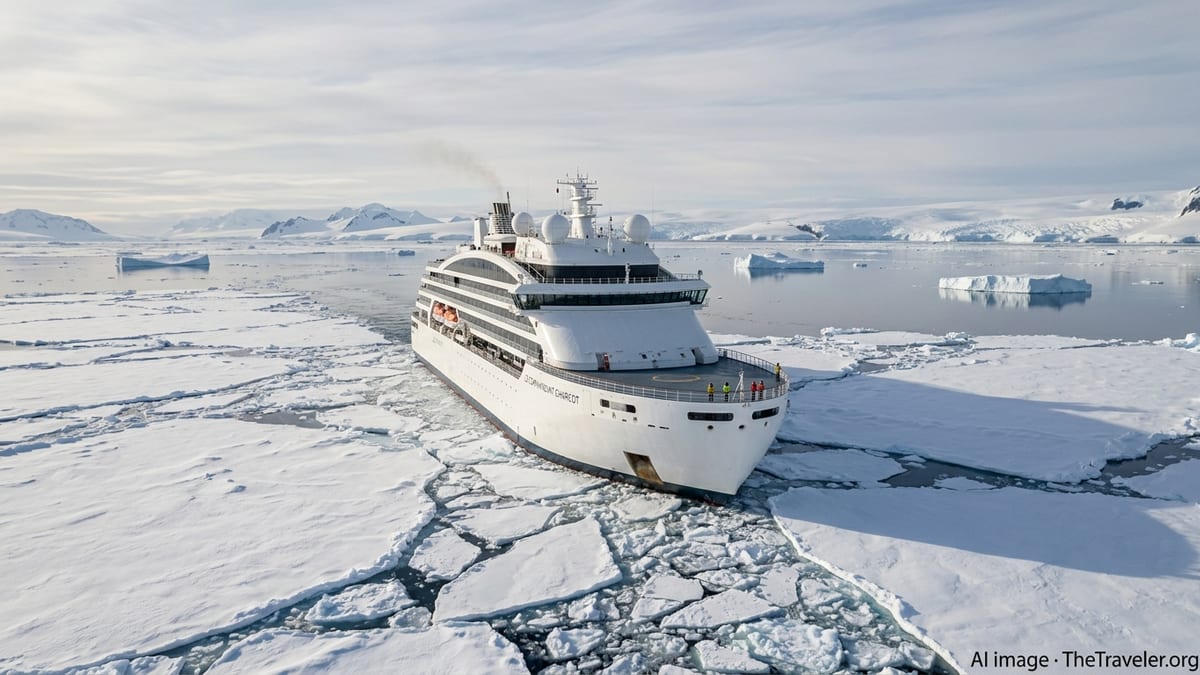
Polar Latitudes Expeditions is rolling out a series of new fly-cruise voyages that allow guests to skip sailing the Drake Passage entirely and connect directly to their Antarctic adventure aboard the Ocean Nova. According to recent industry coverage, the program is scheduled to begin in the 2027–2028 season, with inaugural departures planned from January 2028.
The concept pairs charter flights between Punta Arenas in southern Chile and King George Island in the South Shetland Islands with a compact expedition cruise along the Antarctic Peninsula. By introducing Ocean Nova to this model, Polar Latitudes is joining a fast-growing segment of the polar travel market that focuses on reducing transit time while preserving time on the ice.
Public information on the deployment indicates that Ocean Nova will operate dedicated itineraries designed around the fly-cruise format, with several departures clustered in the height of the Antarctic summer. The program is expected to appeal to travelers seeking a once-in-a-lifetime experience who may be reluctant to commit to the lengthy sea days or potential rough conditions associated with a traditional Drake crossing.
The new offering also comes as Polar Latitudes refines its broader fleet and itinerary strategy following a collaboration with Albatros Expeditions. Company materials highlight an emphasis on small-ship operations and flexible itineraries, now extended to include an air-linked gateway to the Antarctic Peninsula.
Skipping the Drake Passage Cuts Days off the Journey
The Drake Passage, the stretch of ocean between Cape Horn and the Antarctic Peninsula, is often described as one of the most unpredictable sea crossings in the world. Conventional expedition cruises typically require about two days in each direction to traverse the Drake, adding up to four days at sea before and after time in Antarctica.
The new Ocean Nova fly-cruise model is built around charter flights that take roughly two hours between Punta Arenas and King George Island, dramatically reducing the time spent in transit. Reports indicate that travelers step off the aircraft directly onto the island’s airstrip, then transfer by zodiac to the waiting ship to begin their Antarctic voyage almost immediately.
This approach enables itineraries of around nine days that still devote multiple days to landings and zodiac cruises along the Antarctic Peninsula. Instead of allocating nearly half the trip to open-ocean sailing, the schedule shifts the focus toward shore excursions, wildlife viewing, and scenic cruising in the sheltered waters and channels of the region.
Industry observers note that flying over the Drake Passage also appeals to travelers who are prone to seasickness or anxious about high swells. While conditions can still be variable in Antarctica itself, bypassing the deep-ocean crossing removes one of the most daunting elements of a polar voyage for many first-time visitors.
Ocean Nova Positioned as a Nimble, Low-Impact Expedition Vessel
Ocean Nova is a compact expedition ship with a reputation for maneuverability in ice-strewn waters and a relatively low passenger count compared with larger cruise vessels. Information from polar travel operators describes the ship as carrying around 70 guests, a size that supports rapid zodiac operations and shore landings while maintaining an intimate onboard atmosphere.
The ship’s ice-strengthened hull and shallow draft are designed to allow access to narrow channels, bays, and landing sites along the Antarctic Peninsula that might be off-limits to larger vessels. This capability is expected to be central to the new Polar Latitudes fly-cruise itineraries, which emphasize flexibility and daily route adjustments in response to conditions.
Separate operator data indicate that Ocean Nova has been used in other air-cruise programs and is recognized for relatively low fuel consumption compared with many peers in the Antarctic expedition sector. That profile aligns with a broader shift among polar operators toward more efficient vessels and an increased emphasis on minimizing environmental impact in a region subject to strict international regulations.
On board, guests can typically expect a focus on naturalist-led lectures, briefings and citizen science activities rather than conventional cruise ship entertainment. Publicly available descriptions of similar voyages highlight a strong educational component, from seabird and marine mammal identification to glaciology and climate-focused programming.
Growing Demand for Air-Cruise Alternatives in the Polar Market
The Polar Latitudes Ocean Nova initiative arrives at a time when demand for air-cruise options to Antarctica is expanding across the industry. Several operators now promote fly-sail and fly-fly combinations that promise to avoid the longest stretches of open water and maximize time in Antarctic waters on relatively short vacations.
Recent brochures and announcements from multiple polar brands show an increase in itineraries that fly over the Drake Passage in one or both directions, sometimes combining an air segment with a longer sea voyage that continues onward to destinations such as South Georgia or the Falkland Islands. This diversification reflects both rising interest in Antarctica and the logistical realities of limited vacation time for many travelers.
Analysts of the expedition cruise sector point to a clear premium in pricing for fly-cruise products compared with traditional sail-only voyages. In exchange, travelers gain back several days otherwise spent in transit and avoid a section of ocean with a reputation for heavy seas. For some, particularly those sensitive to motion, this trade-off is considered worthwhile even at higher cost.
At the same time, posts and commentary from seasoned polar travelers underline that air-cruise operations are not immune to weather-related disruption. High winds, low visibility, or runway conditions on King George Island can delay or, in rare cases, cancel flights. Operators typically publish detailed contingency plans to manage such scenarios, an aspect that prospective guests are encouraged to review carefully.
What Prospective Travelers Should Know Before Booking
For travelers considering the new Ocean Nova fly-cruise itineraries with Polar Latitudes, timing and expectations will be key. The voyages are set within the core of the Antarctic summer, generally between January and February, when daylight is long, sea ice is at seasonal lows, and wildlife activity is intense. Even so, conditions remain highly variable, and itineraries are commonly described as flexible rather than fixed.
Fly-cruise operations generally require guests to spend at least one night in Punta Arenas before the scheduled charter flight to Antarctica, with operators building in buffers for potential weather-related delays. Travel planning guidance frequently recommends allowing additional flexibility in international flights at the beginning and end of the journey to accommodate any knock-on changes.
Travelers comparing options will likely weigh the cost and convenience of skipping the Drake Passage against the appeal of experiencing the crossing by sea. Some polar travel commentary frames the Drake as an integral part of the classic Antarctic narrative, while others view the fly-over as a pragmatic solution that opens the continent to those who might never otherwise attempt the voyage.
As bookings for the 2027–2028 season and beyond begin to open, the Polar Latitudes Ocean Nova fly-cruise program is expected to add further momentum to the trend toward mixed air and sea access to Antarctica. For many would-be explorers, the possibility of stepping onto the ice after a short flight instead of a multi-day ocean crossing may prove decisive in finally making the journey south.