


More news on this day
Mexico City and Monterrey, two of Mexico’s busiest aviation hubs, are facing fresh travel disruptions after 59 flight delays and 10 cancellations were reported across multiple airlines including VivaAerobus, Lufthansa, Aeroméxico, Volaris and other carriers, according to newly compiled operational data and published coverage.
Get the latest news straight to your inbox!
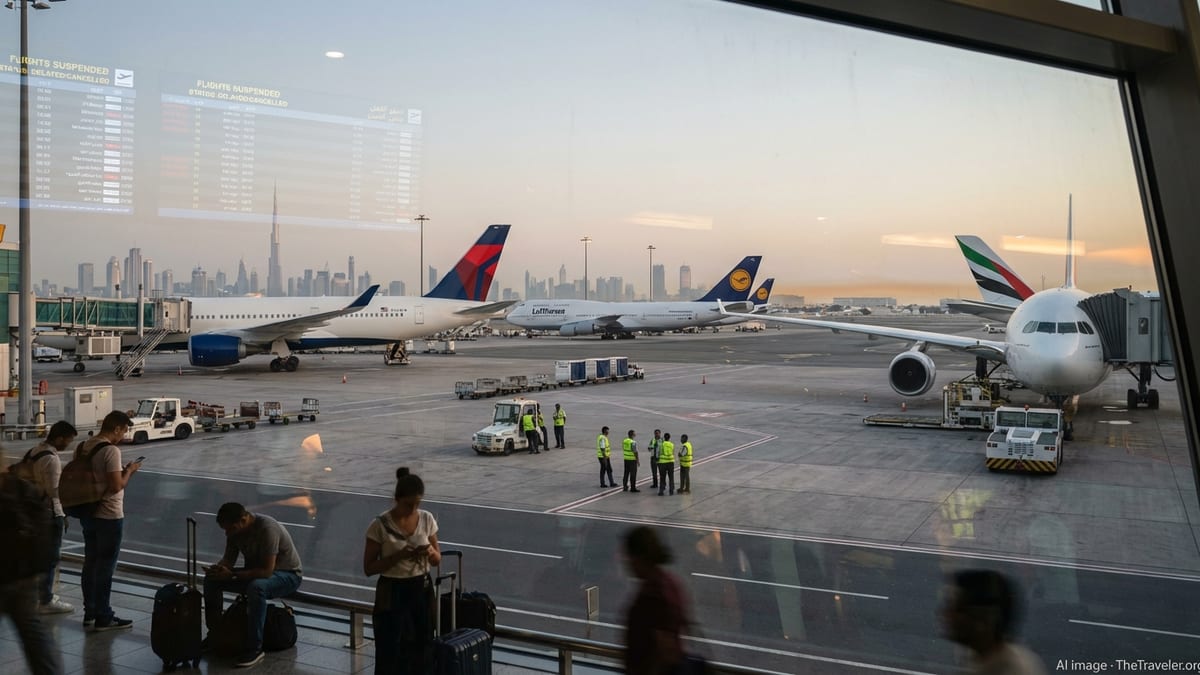
Airports Struggle With Wave of Delays and Cancellations
Recent operational summaries for mid-April 2026 indicate that Benito Juárez International Airport in Mexico City and Monterrey International Airport have registered a combined total of 59 delayed flights and 10 cancellations over a short time frame. Publicly available tracking information points to a mix of domestic and international routes affected, with services linking Mexico City and Monterrey particularly exposed.
The disruptions cut across a range of carriers. Low cost operators such as VivaAerobus and Volaris feature prominently in the delay statistics, while full service airlines including Aeroméxico and foreign long haul players like Lufthansa also appear among the flights impacted. The pattern reflects broader strain on the Mexican air travel network, where busy schedules leave limited room to absorb irregular operations.
Reporting from industry-focused outlets describes knock on effects that include missed connections, longer waits at departure gates and crowded customer service counters as passengers seek rebooking options. Although the total number of cancellations remains relatively modest compared with overall traffic volumes, the concentration of delays at peak travel periods has magnified the disruption for both leisure and business travelers.
Operational data suggests that the Mexico City to Monterrey corridor, one of the country’s key domestic business routes, has been especially sensitive to schedule changes. Frequent services operated by VivaAerobus, Aeroméxico and Volaris are central to this air bridge, meaning that even small timing shifts can rapidly cascade into wider timetable issues when aircraft and crews are tightly utilized.
Multiple Airlines Adjust Schedules Amid Operational Pressures
According to recent flight status reports and schedule updates, airlines are adjusting departure times, consolidating frequencies and, in some cases, cancelling selected rotations serving Mexico City and Monterrey. VivaAerobus and Volaris, which operate dense low fare networks through both airports, are reported among the carriers with the highest number of delayed services during the latest disruption cycle.
Coverage in travel trade media highlights that international operators are not immune. Lufthansa services connecting Mexico with European hubs have also been affected, reinforcing how punctuality challenges in Mexico’s primary gateways can spill over into long haul markets. When wide body arrivals or departures run behind schedule, downstream connections for onward travel in Europe or North America can be placed at risk.
Publicly available corporate disclosures from Mexican airlines describe a business environment in which high aircraft utilization, saturated airport infrastructure and tight turnaround times leave carriers vulnerable to any external shock, from weather and air traffic control restrictions to mechanical inspections. Under such conditions, even a small cluster of incidents can generate an outsized number of delays.
Airlines typically respond by reshuffling aircraft assignments, prioritizing routes with the highest demand and protecting overnight positioning flights that are critical for the following day’s schedules. This type of network management can, however, result in short notice timetable revisions for less critical flights, affecting passengers who may have booked months in advance.
Knock On Effects for Travellers Using Mexico’s Main Hubs
Passenger experiences shared through public forums and travel commentary indicate that delays and cancellations in Mexico City and Monterrey often translate into longer queues at check in, security and boarding gates. With gate changes and revised boarding times occurring frequently, travelers are advised in much of the available guidance to monitor airline apps and airport information screens closely.
Reports also underscore that congestion in terminal facilities, particularly at Mexico City’s main airport, can complicate efforts to move between gates when last minute changes occur. When multiple delayed flights seek to depart in a compressed window, boarding processes may become rushed, leading to additional pressure on ground staff and passengers alike.
For those connecting through Mexico City or Monterrey on international itineraries, published advice from travel experts stresses the importance of generous layover times. Given the current pattern of delays, short connections may no longer provide sufficient buffer, particularly when travelers must clear security or immigration between flights.
In the event of cancellations, publicly available consumer guidance recommends that passengers retain all documentation, including booking references, email notifications and any written records of schedule changes. These materials can be important when seeking refunds, future travel credits or compensation where applicable under airline policies or relevant regulations.
Wider Impact on Mexico’s Aviation and Tourism Network
The latest wave of delays and cancellations in Mexico City and Monterrey comes as Mexico’s aviation and tourism sectors are already under scrutiny following separate disruptions elsewhere in the country. Recent coverage of a small leisure carrier’s large scale cancellations on beach routes, for example, has raised questions about the resilience of Mexico’s air transport system and the protections available to passengers when flights are abruptly withdrawn.
Analysts cited across business and travel media point to a combination of strong demand, infrastructure constraints and intense fare competition as underlying factors. Low cost carriers such as VivaAerobus and Volaris have expanded aggressively on domestic and near international routes, including those linking Mexico City and Monterrey, supporting tourism growth but also concentrating traffic through a limited number of key airports.
Lufthansa and other international airlines rely on these hubs to feed long haul services, meaning that operational instability in Mexico can ripple outward across broader global networks. When flights depart late or are cancelled from Mexico City or Monterrey, aircraft utilization, crew rotations and slot timings at overseas airports may all need rapid adjustment.
Tourism observers note that while most visitors still complete their trips as planned, recurring headlines about disrupted flights can influence traveler perceptions and booking decisions. Industry groups and commentators have called for continued investment in airport infrastructure, improved coordination between airlines and service providers, and clearer communication tools to help passengers navigate irregular operations.
What Travellers Can Do Amid Ongoing Irregular Operations
Given the pattern of 59 delays and 10 cancellations recently reported across Mexico City and Monterrey flights, travel planners are increasingly incorporating additional safeguards into their itineraries. Current recommendations in publicly available travel advisories include allowing extra time between connections, particularly when transferring from domestic to international flights, and avoiding the tightest possible layovers.
Travel writers and consumer advocates also encourage passengers to check the real time status of their flights through multiple channels, including airline platforms and airport information systems. Where possible, booking earlier departures in the day can provide more rebooking options if irregular operations occur, as later flights tend to offer fewer alternatives on the same date.
Many experts suggest that travelers familiarize themselves with the specific policies of airlines such as VivaAerobus, Aeroméxico, Volaris and international partners like Lufthansa before departure. Understanding the rules governing schedule changes, same day rebooking, vouchers and refunds can help passengers respond more quickly when disruptions arise at Mexico City or Monterrey.
While the current episode of delays and cancellations underlines ongoing strain on Mexico’s air transport infrastructure, it also reinforces the value of proactive planning. With both airports playing a central role in domestic and international connectivity, travelers who build flexibility into their plans may be better positioned to navigate future irregular operations in these critical Mexican hubs.