


Planning a week in Slovenia in 2027 means balancing postcard views of Lake Bled, quiet Bohinj trails, and evenings on the Adriatic coast with the practicalities of bus tickets, car hire and rising hotel prices. Based on 2026 prices and currently published 2027 rates, this guide sets out realistic seven-day budgets for three types of trip and explains how your choice of base, season and transport can move the numbers dramatically.
Get the latest updates straight to your inbox!
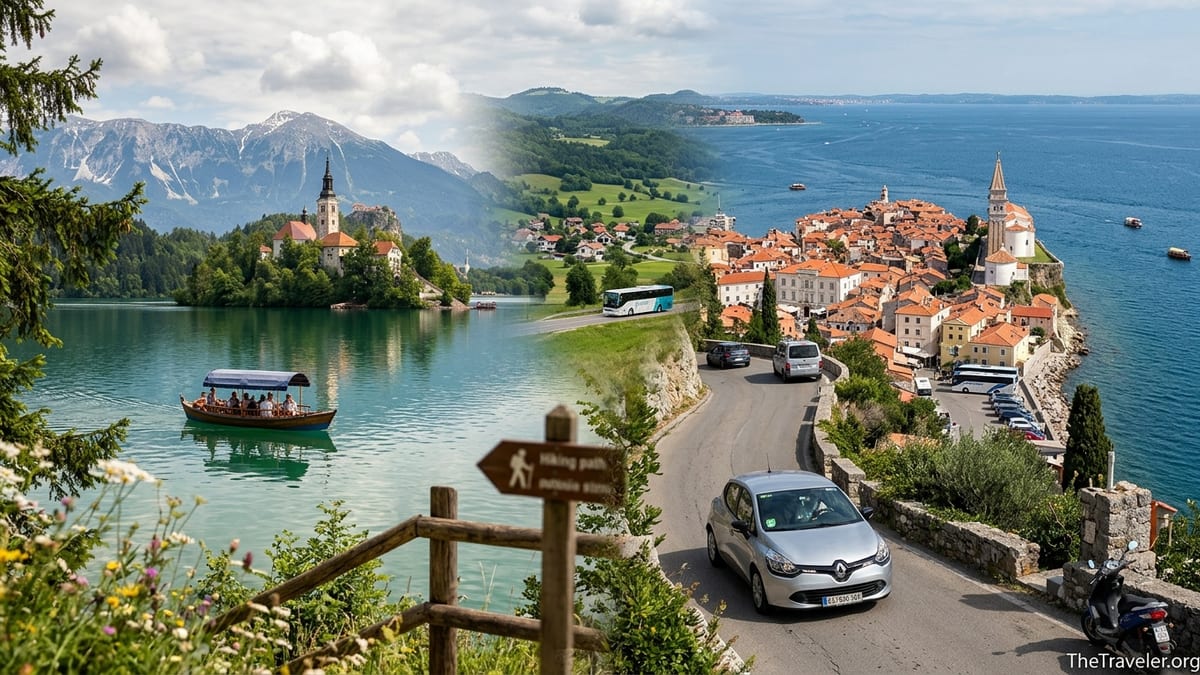
Seven-day Slovenia budgets for 2027 at a glance
Using 2026 prices and already released tariffs for 2027, a solo budget traveler using public transport and hostels can realistically plan on around 550 to 700 euros for seven days focused on Ljubljana with day trips. That assumes dorm beds around 20 to 30 euros in Ljubljana and Bled, Ljubljana city buses at about 1.50 euros per ride with 90 minutes of transfers, and intercity buses such as Ljubljana to Bled at roughly 6 to 8 euros one way when bought locally. Airport buses from Ljubljana airport into the city are advertised around 4 to 5 euros, while shared shuttles to the centre commonly run 6 to 12 euros per person when booked in advance.
A midrange couple mixing Ljubljana and Bled with private rooms and a few paid attractions should budget roughly 1,100 to 1,400 euros for a week in 2027. This uses central guesthouse or three-star hotel rates in the 90 to 140 euro range in Ljubljana, and similar or slightly higher around Lake Bled and the coast in July. It also allows for intercity buses, Ljubljana Castle admission with or without the funicular, a pletna boat ride on Lake Bled, entry to Bled Castle, one cave excursion and restaurant meals where main dishes in tourist areas commonly sit around 12 to 20 euros.
A comfort-focused couple hiring a car and staying in Bled, Bohinj and Piran or Portorož will see the biggest jump. Once car rental, fuel, motorway e-vignette, parking and higher coastal hotel prices in peak July are included, a realistic seven-day budget is more like 1,600 to 2,000 euros. Small cars in 2026 are often advertised from roughly 30 to 45 euros per day in summer, plus the national motorway e-vignette for passenger cars, which must be purchased before entering motorways, and daily parking near Lake Bled and in coastal towns that can easily add 10 to 25 euros per day in high season.
These headline figures assume shoulder-season dates in May or September at the lower end and July at the upper end. They also exclude flights and are calculated in euros, which are used throughout Slovenia.
Where you stay: Ljubljana vs Bled, Bohinj and the coast
Recent market analyses of Ljubljana accommodation for late 2026 show a median nightly rate around 120 to 130 euros for hotels, apartments and B&Bs taken together, with the cheapest regular offers for basic hostels starting around 35 to 40 euros per night. Dorm beds found through major hostel platforms in 2026 frequently price between 15 and 25 euros, with private hostel rooms from about 40 euros when booked in advance. Central locations close to Prešeren Square, the riverfront and the main station will sit at or above these median figures, while out-of-centre districts such as Šiška or Rudnik can be cheaper but require daily bus travel.
On Lake Bled, hostel platforms in 2026 list dorm beds from roughly 17 to 25 euros and private rooms in small hostels and guesthouses in the 55 to 80 euro range. Hotels with direct lake views and access to private swimming areas are substantially higher, particularly in July and August, with many double rooms comfortably over 150 euros per night. In Bohinj, especially around Ribčev Laz and Ukanc by Lake Bohinj, rates for simple rooms in pensions and mountain lodges can begin around 70 to 90 euros in spring and autumn, rising in high summer when hikers and families compete for a limited bed base close to the water.
On the coast, the municipality of Piran, which includes both Piran and Portorož, is one of the most in-demand areas in Slovenia. Price lists for holiday units and local data for 2025 and 2026 show that basic apartments in Piran in summer can start around 90 to 110 euros per night, with midrange hotel rooms in Portorož typically higher because of spa facilities and sea views. July weekends with good weather can push standard doubles well over 160 to 200 euros in popular seafront properties. In shoulder months such as late April, May and late September, discounts often bring those rates down by 20 to 40 percent.
One counterintuitive budget trap is choosing attractive but less accessible accommodation to save on the nightly rate. A guesthouse several kilometres out of Bled or Bohinj might be 20 euros cheaper per night, but if it requires two local buses per day at around 2 to 3 euros per ride per person, or repeated taxi rides quoted at 10 to 15 euros each way after evening buses stop, your daily transport costs can exceed the saving. The same applies on the coast, where free or cheap parking is more common outside town centres, but getting back into Piran’s car-free old town might involve paid parking garages or city buses.
Airport transfers, city buses and intercity transport
Ljubljana’s Jože Pučnik Airport lies roughly 26 to 30 kilometres north of the city centre. In 2026 the official airport information outlines several options: an Arriva-operated public bus that runs between the airport and Ljubljana main bus station in around 45 minutes for approximately 4 euros, shared shuttle services with companies such as GoOpti and Nomago typically priced between 6 and 12 euros to the city when booked early, and metered taxis from the terminal usually quoted around 38 to 60 euros into the centre depending on the operator. Late evening arrivals should be aware that the last public bus from the airport into Ljubljana typically leaves around 21:00 on many days, after which shuttles or taxis become the only options.
Within Ljubljana, city buses operated by LPP no longer accept cash. Visitors can either buy a reusable Urbana card for a small fee at kiosks and machines and load credit, or simply tap a contactless bank card or mobile wallet when boarding. The latest English price lists for 2025 used for 2026 services give a single fare for zone 1 of about 1.40 to 1.50 euros, valid for 90 minutes of transfers. Locals and recent travelers consistently report paying around 1.50 euros per ride in 2026 when tapping a card, with the system placing a temporary higher hold then adjusting to the actual fare after processing.
For sightseeing in the capital, the Ljubljana Card packages bus travel, Ljubljana Castle admission and funicular, a boat cruise and multiple museums into 24, 48 or 72 hour passes. Official tourism information highlights that cardholders get unlimited free travel on LPP city buses and free or discounted entry to more than 30 sights, including the castle, which can offer savings if you intend to use buses frequently and visit paid attractions in a short period.
Beyond the city, Bled is one of the most popular day trips. English-language guides updated in 2026 describe direct buses from Ljubljana bus station to Bled running roughly every hour, with a one-way adult ticket bought in person typically between 6 and 8 euros. Travellers on public forums in 2026 who compared advance-purchase websites quoting much higher prices were often advised to simply buy domestic tickets locally on the day. Train services also link Ljubljana and Lesce-Bled, around 5 kilometres from the lakeshore. Timetables in 2026 show frequent trains taking 40 to 60 minutes, but you must factor in the cost and time of a local bus or taxi from Lesce-Bled station to the lake, usually another 10 to 15 minutes and a few euros more.
Lake Bled, Bohinj and the coast: buses vs car rental
For Lake Bohinj, public transport remains feasible but slower. In 2026, routes from Ljubljana often involve a bus to Bled and a connection onward to Ribčev Laz or Ukanc, taking two hours or more. A through ticket from Ljubljana bus station to Bohinj villages tends to cost modestly more than the Ljubljana to Bled segment alone. There is also a railway line to Bohinjska Bistrica and Bohinjsko Jezero, though updates from the national rail operator in 2026 show line closures and replacement buses at various times, so schedules must be checked close to travel dates. The key practical point is that Bohinj’s most scenic lakeside paths and swimming spots are spread out; relying on infrequent buses can extend journey times and compress your hiking and swimming windows in poor weather.
On the coast, regular buses and some trains run from Ljubljana to Koper, Izola, Portorož and Piran. Combined train and bus or direct coach tickets from Ljubljana to Piran in 2026 commonly fall in the region of 10 to 15 euros each way, with journey times around two to three hours depending on stops. Buses set down at Piran’s main stop above the old town, and the last stretch is on foot or by local shuttle. Portorož is easier to access by car, with multiple hotels offering parking, but this convenience is reflected in higher seasonal room rates and resort-style pricing.
Hiring a car increases flexibility, especially if you want to combine Bled, Bohinj and the Karst or coastal region in one week. Rental brokers and local agencies in 2026 advertise small manual cars from approximately 30 euros per day in spring and autumn and 40 to 45 euros per day in July and August, before insurance upgrades. A realistic daily total after mandatory third-party cover, often recommended collision damage waivers and a second driver can approach 50 to 60 euros. Most agencies take a security deposit on a credit card, commonly between 600 and 1,200 euros for small cars, which can be a cash-flow consideration.
To use Slovenian motorways, you must purchase an e-vignette matched to the vehicle’s registration. Official driving information for 2026 emphasises that the e-vignette must be bought before entering any motorway or expressway. Prices vary by duration and vehicle category, but for tourists in passenger cars the cost of a weekly or monthly vignette represents a small but non-trivial part of the budget. Many rental cars aimed at foreign visitors now include the vignette in the rate, but you should always confirm this in the rental contract, as fines for using motorways without a valid vignette are substantial.
Fuel prices fluctuate, but planning around 1.50 to 1.70 euros per litre in recent years is reasonable. A week-long circuit from Ljubljana to Bled, Bohinj, Postojna, Škocjan and Piran, then back to Ljubljana, easily exceeds 500 kilometres, implying perhaps 50 to 70 euros in petrol for an economical car. Parking must also be factored in. Published municipal and local tourist materials for Bled highlight central parking controls and seasonal increases; expect to pay several euros per hour at the most convenient lakefront lots in summer. Coastal towns have similar or higher charges near beaches and historic centres, and free parking often lies a steep walk or a local bus ride away.
Major paid attractions and what is free
Lake Bled’s classic paid activities include the traditional pletna boats to the island, castle visits and Vintgar Gorge. Official Bled tourism pages and recent visitor reports in 2026 show pletna rides priced around 20 euros per adult for a return trip, payable in cash, with departures from several piers such as Mlino, Vila Bled and Velika Zaka. Self-rowed wooden boats at rental docks around the lake can be slightly cheaper per person if you are a group and comfortable rowing yourself.
Bled Castle publishes its own price lists, with adult admission in 2025 and 2026 in the high-teens of euros, and family tickets and discounted categories slightly less. Travelers in 2026 consistently describe paying 19 euros per adult on arrival. The ticket covers access to the castle grounds, museum exhibits and panoramic terraces. There is no free section with the same views, so this is a significant line in the budget for anyone wanting the iconic vantage point. By contrast, the walk around the lake is free, and popular viewpoints such as Ojstrica and Mala Osojnica are accessible on foot without tickets, though paths are steep and can be muddy.
Vintgar Gorge, a short distance from Bled, has become tightly managed to protect the environment. Official materials note that parking near the gorge is limited and redirect visitors to central Bled and the Vintgar Shuttle. In 2026 a dedicated e-shuttle from Bled bus station and a central parking area operates for holders of combined Vintgar Gorge passes, which include entry tickets and shuttle transport. Entry prices in recent seasons are in the double digits per adult, so a visit can add 20 euros or more per person once transport and refreshments are included. Between mid-autumn and spring the gorge usually closes entirely, affecting both itineraries and budgets.
In Ljubljana, the castle is often a first paid stop. Ticket structures change, but reports from mid-2026 indicate around 15 euros for castle access on foot and about 19 euros for a combined castle plus return funicular ticket bought in person, with small online discounts. The funicular alone costs several euros one way or return. However, the pedestrian paths up to the castle are free, and the courtyard can be entered without charge, so budget travelers often skip the paid towers and exhibitions, saving the fee while still enjoying views from the terraces.
For caves, Postojna Cave publishes adult single tickets for 2026 at about 34.90 euros, covering the train ride and guided tour inside the main cave system. Combination tickets including the Vivarium or Predjama Castle cost more. The Škocjan Caves, a UNESCO-listed system, have variable pricing by season, but adult tickets also run into the tens of euros. Day trips from Ljubljana that bundle coach transport and guided cave visits naturally increase these costs, while self-organised travel using regional buses or trains can keep the total lower at the price of more planning and slower connections.
Food, drink and everyday costs
Supermarkets and bakeries remain the best way to control daily spending. In 2026, supermarket chains in Ljubljana and Bled price basic picnic ingredients such as bread, cheese, fruit and bottled water comparably to neighbouring Central European countries. A simple self-catered lunch from a major supermarket, including a loaf of bread, sliced cheese or cold cuts, a piece of fruit and a drink, could easily come in under 6 to 8 euros per person, significantly less than even a budget restaurant meal.
In city centres and at the lakes, cafés typically charge around 1.60 to 2.20 euros for an espresso and 2.50 to 3.50 euros for a cappuccino in 2026, with riverside or lakeside terraces at the upper end. A slice of traditional Bled cream cake at prominent cafés by the water is often priced in the 5 to 7 euro range. Ice cream scoops along the Ljubljanica riverfront or at Bled are usually a few euros each, with premium gelato stores charging more in July and August.
Restaurants span a wide range. In Ljubljana’s old town, lunch specials in less touristy streets might offer a main dish for around 10 to 13 euros, while dinner in a popular bistro with a drink can easily reach 20 to 25 euros per person. At Lake Bled and in Piran’s seaside squares, main courses such as grilled fish, calamari or steak generally sit around 18 to 25 euros, with house wine by the glass at 3 to 5 euros. Budget-conscious travellers often mix cheaper inland meals with a couple of splurge dinners in scenic spots, since the location premium is very visible on menus at the water’s edge.
Self-catering apartments with kitchenettes can reduce costs further, especially for families or longer stays. Large supermarkets in Ljubljana and retail parks near Kranj or Jesenice, passed en route to Bled and Bohinj, have prices lower than small convenience stores in tourist centres. Cooking dinner even three nights in a week could realistically save a couple 60 to 100 euros compared with eating out every evening, enough to fund an extra activity such as a cave visit or a Ljubljana Card.
Tourist tax, hidden costs and the impact of moving bases
One often-overlooked cost in Slovenia is the municipal tourist and promotional tax. Official documents summarising tourist tax levels across municipalities show that in 2024 and 2025 Ljubljana and Bled set a per-night adult rate of around 3.13 euros, while Piran, which covers Piran and Portorož, applies slightly lower but still significant nightly charges. These taxes are collected per person per night on top of the advertised room rate and are often listed separately in the fine print of booking platforms or quoted only in the property’s own information. Over a week, a couple in Ljubljana could pay more than 40 euros in local taxes alone.
Registration fees charged by some private apartment hosts or campsites may also appear on arrival, especially when guests are registered with local authorities through intermediaries. Although usually a few euros per person, these extra charges can surprise travelers who have focused only on the nightly rate and cleaning fee online. The safest approach is to carefully read “not included” sections on booking confirmations and ask in advance whether tourist tax and registration are part of the total.
The decision to move hotels versus using Ljubljana as a base has both cost and comfort implications. Staying in Ljubljana for the full seven nights avoids repeated check-out times, packing and unpacking, and luggage on buses. A day trip to Bled by bus at roughly 12 to 16 euros return per person and another to the coast at perhaps 20 to 30 euros return can still be cheaper than paying higher nightly rates in those destinations, especially in July. However, the trade-off is early starts, late returns and less flexibility for dawn or sunset photography, swimming when the lake is quiet or lingering over dinner by the sea.
In contrast, a multi-base itinerary where you spend, for example, three nights in Ljubljana, two in Bled or Bohinj and two on the coast introduces additional transfer costs and time. Every move typically means at least one intercity ticket per person, possibly local taxis or buses between stations and accommodation and lost sightseeing hours. For car renters, changing bases mostly adds fuel and parking variations, but the total room bill will almost certainly be higher than remaining in Ljubljana, since central Ljubljana’s off-peak rates undercut many lakeside and coastal prices outside absolute high season.
Summer demand squeezes all of these decisions. Official statistics for 2025 highlight Ljubljana, Piran and Bled as the municipalities with the largest shares of tourist arrivals and overnight stays, which correlates with crowded July and August weekends. Traffic jams around Bled’s entrances and along the coastal strip between Koper and Portorož are common, and car parks in Bled, Bohinj and Piran can fill by mid-morning on sunny Saturdays. When rain closes in on the mountains around Bohinj, day-trippers often flock to caves and coastal towns instead, pushing up same-day ticket demand and reducing last-minute accommodation availability.
Three sample seven-day budgets and itineraries
A solo backpacker based in Ljubljana and using public transport might structure a week like this: arrival by airport bus at about 4 euros, six nights in a central hostel dorm at roughly 25 euros per night in shoulder season (150 euros), three days exploring Ljubljana with bus fares of around 1.50 euros each for occasional rides, one full day at Lake Bled by bus for perhaps 14 euros return, another combining Postojna Cave with regional buses, and a final flexible day for museums or a short hike in the Ljubljana hills. Allowing 10 euros per day for supermarket food and cheap bakeries and 15 to 20 euros for occasional restaurant meals or bar visits, plus a handful of entry tickets such as Ljubljana Castle without funicular and Bled Castle, this traveler could reasonably spend around 600 euros across the week.
A midrange couple dividing time between Ljubljana and Bled could plan three nights in Ljubljana and four in Bled. In April or late September 2027, they might find a central Ljubljana guesthouse double for about 100 euros per night including breakfast and a comparable Bled guesthouse for 120 euros per night. That implies around 780 euros in accommodation. Add airport transfers for two at roughly 20 to 30 euros combined using a mixture of bus and shared shuttle, Ljubljana buses powered either by a Ljubljana Card or pay-as-you-go Urbana taps, two returns between Ljubljana and Bled at about 14 to 16 euros per person each way across the week if moving bases, and entrance fees for Ljubljana Castle with funicular, Bled Castle, a pletna ride, Vintgar Gorge and perhaps one cave. Even before food, total land costs would be in the 1,000 to 1,100 euro range for both.
For meals, if this couple ate modest restaurant dinners on five nights at approximately 35 to 45 euros per night for two including drinks, enjoyed two splurge lakeside or riverside dinners at 60 to 70 euros each and otherwise relied on supermarket or bakery lunches, their seven-day food and drink spending would likely land between 350 and 450 euros. Adding incidental spending on coffee, ice cream and small souvenirs, the full-week budget for two would likely fall between 1,300 and 1,500 euros depending on how many paid attractions they prioritise.
A comfort-focused couple with a rental car and a three-stop route of Bled, Bohinj and Piran might start with one night in Ljubljana after arrival, then drive to Bled for two nights, continue to Bohinj for two more and finish with two nights in Piran before returning the car and flying out. If they select solid midrange hotels or apartments at around 130 euros per night on average in Bled and Bohinj and 160 euros on the coast in July, plus a 120 euro night in Ljubljana, seven nights could easily reach or exceed 1,000 to 1,200 euros for accommodation alone.
Car rental at roughly 45 euros per day over seven days is about 315 euros before fuel. Add around 60 euros in petrol for a circuit that includes both lakes, the caves and the coast, and check whether the motorway vignette is included in the rental; if not, the weekly or monthly vignette will add more. Paid parking around Lake Bled, at Bohinj car parks and on the coast could reasonably sum to 80 to 140 euros for the week, especially with repeated short-term parking at popular viewpoints. They are also more likely to add multiple paid attractions, as driving makes it easier to fit both Postojna Cave and Škocjan Caves into a single trip or to visit Predjama Castle on the same day. This couple’s activity budget might therefore top 300 to 400 euros. Combined, these items can push the all-in cost for the week to 1,600 to 2,000 euros excluding flights.
In return, they gain sunrise walks at Bohinj before day-trippers arrive, evening pletna rides at Bled after most coaches have left, and sunset dinners high above the Adriatic. For many travellers that intangible value justifies the extra cost, but it is crucial to plan for it so that parking machines, cave tickets and motorway rules do not come as expensive surprises.
Key cost drivers, accessibility and how to avoid overspending
Several hidden or semi-hidden costs push many Slovenia trips above their initial budget. First is the cumulative effect of attraction tickets: a week that includes Ljubljana Castle with funicular, Bled Castle, a pletna boat, Vintgar Gorge, Postojna Cave and Škocjan Caves can easily involve more than 150 euros per person in entry and activity fees alone. Second is local and regional transport when staying outside town centres. A cheaper guesthouse on the outskirts of Bled or an apartment up the hill from Piran may necessitate daily bus rides or taxis; even modest per-trip fares add up over a week.
Accessibility and mobility also influence costs. Travellers with limited mobility may need to budget for the Ljubljana Castle funicular rather than the free footpath, closer-in lake or coastal accommodation, and potentially more taxi use when bus stops are too far. In peak season, limited step-free access on some intercity buses and busy luggage racks can make long journeys more stressful, nudging some visitors toward private transfers at far higher prices. On the other hand, Slovenia’s compact size and relatively affordable public transport mean that those comfortable with walking, stairs and local buses can reach many headline sights without hiring a car.
Weather is another factor. Stormy July afternoons over the Julian Alps can close in quickly, wiping out plans for a hike above Bohinj and redirecting crowds to indoor attractions such as Postojna Cave or museum visits in Ljubljana. If you hold flexible tickets or have chosen a Ljubljana base, it is easier to shuffle plans; fixed, pre-booked excursions can be harder to change and may become sunk costs. Shoulder seasons such as May, early June and late September often bring calmer crowds, slightly lower accommodation prices and still-pleasant weather, though high mountain trails can remain snow-affected in spring and cooler evenings increase the appeal of apartments with heating.
To enjoy Slovenia without overspending in 2027, focus first on a realistic mix of free and paid activities. Walking the Ljubljanica riverfront, exploring Tivoli Park, looping around Lake Bled and hiking some of Bohinj’s lower trails cost nothing, beyond bus fares to reach them. Add selected paid highlights that matter most to you rather than trying to tick every attraction. Plan accommodation so that you can either walk to most things and use public transport sparingly, or if renting a car, so that parking is clearly understood and preferably included. Always check whether tourist tax is in your quoted room price and whether your rental car already carries a valid motorway e-vignette.
Finally, consider anchoring your trip with a Ljubljana base in shoulder season, then adding a short, targeted stay at either Bled or the coast for early-morning and late-evening light. This hybrid approach captures much of Slovenia’s variety while keeping transport, hotel changes and unplanned extras within a manageable, well-understood budget.