


Portugal has a reputation as one of Western Europe’s better value destinations, but by 2027 prices in Lisbon, Porto and the Algarve are no longer uniformly cheap. Coastal summer demand, higher municipal tourist taxes and fuller trains on the Lisbon–Porto line all shape what a week actually costs. Using current 2026 prices and regulations as a baseline, this investigation compares real accommodation, transport, food and attraction costs to help you plan realistic budgets for 2027.
Get the latest updates straight to your inbox!
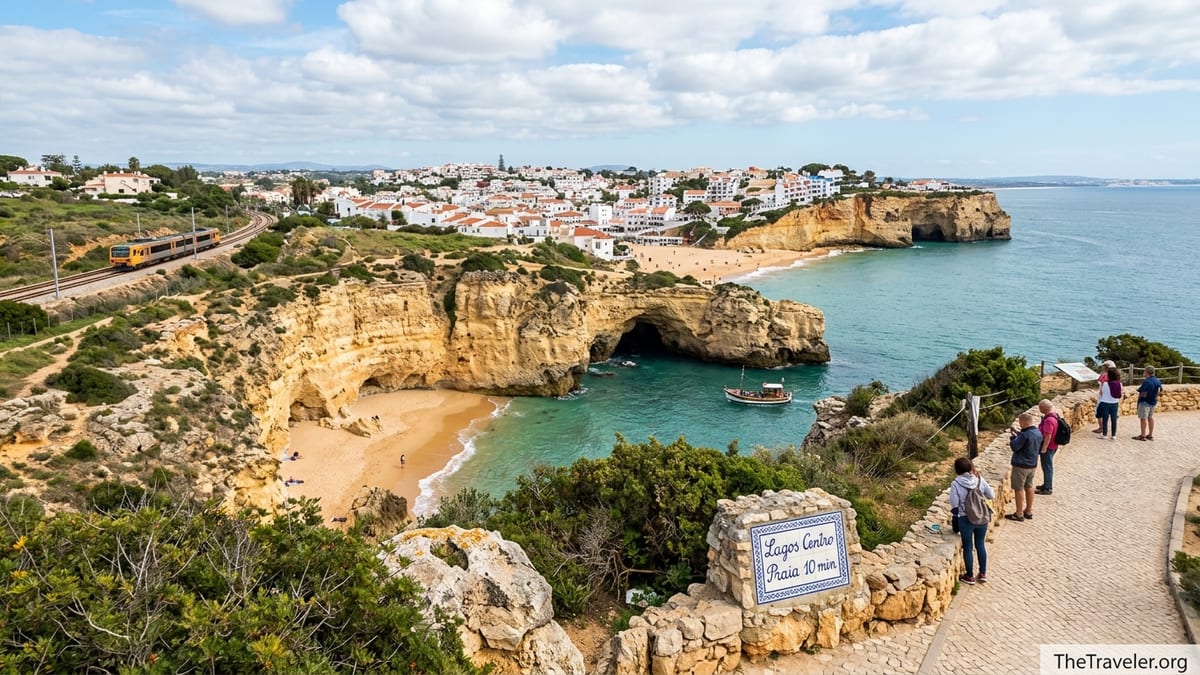
Seven day cost snapshots for 2027
Using late 2026 prices with a modest inflation allowance, a solo budget traveler sleeping mostly in hostels, cooking some meals and avoiding peak August on the coast can expect to spend in the region of €450 to €600 for seven days in Portugal, excluding flights. That total assumes hostel beds around €25 to €35 in Porto and Lisbon in February or March, rising to around €40 on the Algarve in June, public transport passes, bakery breakfasts, one inexpensive restaurant meal per day and a handful of paid attractions. Airport metro or bus transfers are included; flights are not.
A midrange couple sharing private rooms, eating out once or twice a day and mixing Lisbon and Porto should plan on roughly €1,300 to €1,700 for seven days in 2027, again excluding flights. This uses current typical rates of about €80 to €120 per night for central three star hotels or good apartments in Lisbon and Porto in shoulder season, public transport and one intercity train trip at full or semi flexible fares. Airport transfers by metro, bus or occasional ride hailing are included.
For a comfort focused couple spending time in Lisbon and the Algarve in June or August, using four star hotels in walkable locations, restaurant dinners with wine most nights and adding excursions such as a Tagus or Benagil boat trip, realistic seven day spending is closer to €2,000 to €2,600 excluding flights. In high summer, central hotels in Lagos or Albufeira at or near the beach commonly reach €170 to €250 per night for well reviewed properties, so accommodation quickly becomes the largest expense.
All of these totals assume municipal tourist taxes are paid on arrival where they are not already folded into room rates. They exclude long haul or intra European flights into Portugal, which vary too widely to model accurately, but they do include ground transfers between airport and city by public transport where available.
Accommodation prices in Lisbon, Porto and the Algarve
In Lisbon, searches of mainstream booking platforms for midweek February or March nights in 2026 show central three star hotels around Baixa, Rossio and Avenida da Liberdade typically listing double rooms in the €80 to €120 range, with breakfast sometimes extra. Well located studios and one bedroom apartments near the historic center are often listed from about €70 to €110 per night outside peak dates, though cleaning fees of €30 to €50 per stay can raise the effective nightly rate for short visits. By June, the same properties often climb into the €120 to €170 range.
Porto remains marginally cheaper. Central hotels around Trindade, Aliados and Bolhão that review well commonly appear between €70 and €110 in February or March for a double, with simple guesthouses below that level. By June, comfortable midrange doubles tend to cluster around €100 to €140 in the historic center. Shared hostel dorm beds in both Lisbon and Porto are widely available for roughly €20 to €35 per night in low and shoulder seasons, climbing toward €40 in busy summer weekends.
On the Algarve, there is a marked seasonal jump. In Faro, which is more of a gateway and working city than a resort, February or March hotel nights near the old town or marina can still be found in the €60 to €100 band for decent three stars. In Lagos and Albufeira, February or March prices for basic but central hotels and apartments hover around €50 to €90 per night, but by June and especially August those same properties often command €150 to €220, and beachfront suites significantly more. A one bedroom apartment in Lagos listed at roughly €70 per night plus a €40 cleaning fee in March might reach €160 per night in August with the same fixed cleaning cost.
Cheaper suburban and out of center stays are possible, particularly around Lisbon in municipalities such as Amadora, Odivelas or Loures, where midrange rooms may undercut Baixa by €20 to €40 per night. The trade off is a daily commute on the metro or trains, and in some cases limited late night service. Around Lagos and Albufeira, hotels several kilometres inland or up steep hills may look inexpensive at €90 in August, but the lack of frequent buses can add recurring taxi costs.
Tourist taxes and what they add per night
Lisbon, Porto and several Algarve municipalities levy overnight municipal tourist taxes that are applied in addition to published room rates where not already included. In Lisbon, the city council announced that from September 2024 the tax on overnight stays would rise to €4 per person per night, charged to guests aged over 13 and capped at seven nights per stay. This level is expected to carry into 2027 unless regulations change again, meaning a couple staying four nights in a Lisbon hotel should allow €32 in tax on top of accommodation if it is not included.
Porto applies its own tourist tax, updated by a new regulation that came into force on 1 December 2024. At the time of writing, Porto also charges per person per night with a cap of seven nights, with the exact euro amount published by the municipality and comparable to Lisbon’s level. Travelers should check whether their booking confirmation states “taxes included” or whether the municipal tax will be collected at check in, particularly on budget bookings where it can represent several percent of the total.
On the Algarve, rules vary by municipality. Albufeira introduced a municipal tourist tax regulation that entered into force in May 2024. Official documents confirm the tax is charged per night, up to seven consecutive nights per stay, for guests aged 13 and over. The euro amount depends on season. Other Algarve councils, such as Faro or Vila Real de Santo António, may apply different rates or dates. For a seven night August stay in Albufeira, a family of four with two teenagers should expect the municipal tax alone to add several dozen euros to their bill, even at an inexpensive hotel.
Because these taxes are per person rather than per room, solo travelers feel a lower impact than couples or families when expressed per head. However, for backpackers booking a €25 hostel bunk, a €2 to €4 nightly tax collected on arrival can meaningfully increase the true nightly cost and should be included in budget calculations.
Urban transport, airport transfers and intercity trains
Lisbon’s metro is the backbone of city transport and also connects the airport. According to official information, the metro operates from around 06:30 until 01:00 and uses reloadable cards that cost €0.50. A standard single Carris plus Metro ticket loaded on the card is currently priced at just under €2, while pay as you go “zapping” credit slightly reduces the per ride cost. A 24 hour Carris plus Metro day ticket, valid for unlimited journeys on both the metro and most city buses and trams, is priced a little above €7. This makes day passes good value for heavy sightseeing days that include tram 28, Belém and multiple metro legs.
Porto’s Andante system covers the metro, many buses and some suburban trains, divided into zones. Occasional tickets increased modestly in 2024, and a 24 hour Andante ticket for two zones, enough for most central sightseeing, now costs just over €5. A Z3 24 hour ticket, used for slightly longer trips, is around €6.65 based on regional transport authority updates. Porto’s light rail metro runs to the airport, so a single ticket from the city to the terminal comes in well under €3 using the appropriate zone combination.
Between cities, Portugal’s main rail operator CP runs Alfa Pendular and Intercidades trains between Lisbon and Porto. Current guides note that a standard second class single on Intercidades is around €28.05, while the faster Alfa Pendular second class fare sits at approximately €35.70 for a full price flexible ticket. Promotional online fares can be significantly lower, with CP occasionally advertising limited seat campaigns as low as €7.50 for Lisbon to Porto when booked at least ten days in advance for specific dates. Travelers whose plans are fixed can benefit from these discounts, but they should budget around the full fare when comparing destinations, because the cheapest fares are limited and sell out.
In the Algarve, CP’s regional trains link towns such as Faro, Albufeira-Ferreiras, Portimão and Lagos. Sample 2026 fares show single tickets on the regional line between Faro and Lagos in the low teens of euros, with shorter hops such as Faro to Albufeira even cheaper. Buses provided by regional operators often compete on price and serve resort areas not directly on the rail line. For a couple planning Lisbon to Faro on Intercidades then regional trains to Lagos, a rough one way total of €40 to €50 for both is a reasonable working estimate based on current fares.
Is Portugal’s Green Rail Pass an option for visitors
The Portuguese government introduced a Green Rail Pass to encourage frequent train travel. Official information from the national rail operator states that the pass is valid on CP services for Portuguese citizens and foreign nationals who are residents in Portugal, and that it can be purchased on any day of the month for 30 consecutive days of travel in second class on most CP trains, including Intercidades, subject to seat reservations where required.
Crucially for international visitors, the residency requirement means the Green Rail Pass is not designed as a tourist rail pass in the classic sense. Non resident tourists cannot normally purchase it unless they hold official residency in Portugal. Short term visitors in 2027 should instead look at advance purchase discounts on specific routes, regional passes in metropolitan areas or occasional promotional offers tied to particular events or periods, rather than relying on the Green Rail Pass as a way to cap nationwide rail spending.
For travelers planning only one or two long distance trips, such as Lisbon to Porto and back, even an unrestricted full price second class Alfa Pendular return at roughly €70 for one person should be weighed against the cost and administrative effort of any longer term pass. Those staying several weeks and making multiple intercity trips might explore other CP products or monthly regional passes, but they would need to satisfy residency rules to use the Green Rail Pass itself.
Because rail products and discounts are politically sensitive and can change from one state budget to the next, it is prudent to verify pass availability and eligibility a few months before a 2027 trip. However, based on the current framework the Green Rail Pass should be viewed as a resident commuter and domestic traveler product rather than a tourist tool.
Food, drink and attraction costs on the ground
Daily food budgets vary widely, but current 2026 prices provide usable benchmarks. In both Lisbon and Porto, a bakery breakfast of coffee and a pastry typically costs about €2.50 to €4 at local chains and neighborhood pastelerias. A simple lunch menu of the day in a non touristy spot, perhaps grilled chicken with rice or bacalhau, can fall in the €9 to €14 range including a soft drink or small beer. In busy historic centers and along the Algarve seafront, similar dishes often run closer to €15 to €20.
Sit down dinners at midrange restaurants without a view usually cost about €18 to €30 per person for a main course, shared starter and a glass or two of house wine. Seafood restaurants in Cascais, Lagos or Albufeira’s old town can easily exceed €30 per person once fresh fish by weight and a bottle of regional wine are included. A supermarket dinner of bread, cheese, cured meats and fruit for two can be put together for around €10 to €15 from national chains, which is where apartments with fridges and kitchens start to deliver savings for longer stays.
Major paid attractions add to the daily tally. In Lisbon, the Jerónimos Monastery in Belém charges a double digit entrance fee per adult, with combination tickets available that pair it with neighboring monuments. The Belém Tower has its own entry ticket, also in the low double digits, and lines can be long in summer. In Porto, the ornate Livraria Lello operates as a ticketed attraction with timed entry, and the admission fee, currently in the low teens of euros, can be credited against the purchase of a book.
On the Algarve, coastal boat trips, including tours to the Benagil sea cave or dolphin watching excursions from Lagos and Albufeira marinas, commonly cost from about €30 to €60 per adult depending on boat type and duration in 2026. In 2027, travelers should expect similar or slightly higher prices. These excursions quickly raise the daily average spend but are often the highlight of an Algarve stay, especially for couples on a once in a decade beach holiday.
Three realistic seven day itineraries with line item budgets
A backpacker focused week built around Porto can be kept relatively affordable outside August. Suppose a solo traveler spends five nights in a central Porto hostel at €30 per night in March, then two nights in Lisbon at €35 per night. Accommodation totals about €220. Adding the Porto tourist tax and Lisbon’s nightly charge adds roughly another €25 to €30. Food at €10 for bakery breakfast and supermarket lunch plus €15 for simple dinners comes to about €175 for the week. A Porto Andante 24 hour ticket for two days, occasional singles on other days and a Lisbon 24 hour Carris plus Metro ticket for heavy sightseeing might together cost about €40. An Intercidades train from Porto to Lisbon at around €28.05, plus a regional connection or metro rides, takes total transport close to €70. If this traveler pays for Livraria Lello, one port wine cellar visit and Jerónimos Monastery, attractions might sum to €50 to €60. The seven day total is then around €520, with scope to trim by cooking more or to splurge slightly on nightlife.
A midrange couple splitting their week between Lisbon and Porto might book three nights in each city plus a final night near Lisbon airport. If they pay €110 per night for a central hotel in Lisbon in June and €95 per night in Porto for an equivalent standard, seven nights of accommodation would be around €715. Municipal tourist taxes for two adults over six taxable nights, using current Lisbon and Porto rates and caps, would add roughly €70. Two Alfa Pendular second class singles at around €35.70 each create a €140 intercity transport line, while metro, bus and tram tickets in both cities, plus airport metro fares, might be budgeted at €60 to €80 in total.
For food, assuming €20 per person per day on breakfasts and light lunches and €30 per person per day on dinners averages out to about €70 per couple per day, or €490 over seven days. Add €80 to €120 for attractions such as Jerónimos, Belém Tower, a Fado show in Lisbon and a port lodge tour, and the total approaches €1,500 for the week. Higher or lower restaurant choices can move that figure by several hundred euros either way, but it provides a grounded target.
A comfort oriented couple spending four nights in Lisbon and three in the Algarve in August will see the sharpest price impact. Four nights in a central four star Lisbon hotel at €180 per night plus three nights in a Lagos or Albufeira property at €220 per night yields an accommodation bill of roughly €1,400. Municipal tourist taxes in both locations for two adults across seven taxable nights can easily add €80 or more. A pair of Alfa Pendular tickets Lisbon to Faro or an Intercidades route plus regional train or bus to Lagos may cost around €100 to €130 return for two at or near standard fares, and local transport including airport transfers might add €70.
Assuming this couple dines out most of the time at €40 to €60 per person per day including wine, and spends more at seafood restaurants on the Algarve, a weekly food and drink budget of €700 to €900 is plausible. Add two coastal boat trips at €50 per person each, plus entrance fees to Jerónimos, Belém Tower and a museum or two, and attractions may add €250 to €300. Without renting a car, the total can sit around €2,500. If they choose a rental car for three Algarve days at, for example, €50 per day plus fuel and tolls, and pay hotel parking where necessary, the week can edge toward €2,800.
Central stays versus cheap peripheral hotels and when apartments win
At first glance, a hotel on the outskirts of Lisbon, Porto or Albufeira that undercuts central properties by €30 per night looks attractive. However, in practice the saving is often narrowed or eliminated by commuting costs and time. A couple staying in an Amadora business hotel at €90 rather than €130 in Baixa may each need two additional metro or train rides per day at roughly €1.70 to €2 per leg, plus the inconvenience of returning late at night on reduced timetables. Over seven days, that is at least €50 in extra fares and several hours spent underground rather than on terraces.
On the Algarve, the trade off is starker. A hotel inland from Albufeira old town or several kilometres from Lagos center might advertise August doubles at €120 when beachside equivalents run at €200. If the cheaper place has poor bus service, two daily taxi rides at €8 to €12 each way soon erode the difference. Over seven days, a couple can easily spend €120 to €160 on short taxi hops alone, at which point the central hotel’s higher rate buys convenience plus saved time and transport stress.
Apartments with full kitchens begin to make clear financial sense for stays of five nights or more, especially for families. A Lisbon one bedroom apartment at €120 per night with a €40 cleaning fee totalizes €640 for five nights; a hotel at €150 per night would total €750. The apartment allows several breakfasts and dinners to come from supermarket shopping at perhaps €15 to €20 per meal for four, rather than €60 to €80 at tourist restaurants. Over a week a family of four can realistically save a few hundred euros on meals this way.
However, short stays suffer from fixed fees. A two night apartment booking at €90 per night plus a €50 cleaning charge has an effective nightly cost of €115 before tourist tax, rivalling or exceeding many hotels that include daily cleaning. Minimum stay rules common in high season can also limit flexibility, requiring four or seven night blocks that do not match all itineraries. Travelers should compare the fully loaded apartment cost including cleaning, service charges and municipal tax with hotel totals for the exact dates they plan to visit rather than relying on the headline nightly rate.
Regional cost comparison, shoulder season opportunities and 2027 value
When all these factors are combined, Porto remains marginally cheaper overall than Lisbon for most categories in 2027, especially accommodation and restaurant meals away from the riverfront. Lisbon’s broader array of paid attractions and its higher tourist tax raise the daily average slightly. The Algarve in August becomes the most expensive of the three regions on a per night basis once hotel rates, restaurant surcharges in seafront strips and paid excursions are counted, even if individual train and bus fares remain modest.
Shoulder seasons, especially late February to early April and October, provide the best value across the board. In these periods, Lisbon and Porto hotels are significantly cheaper than in June and August, tourist taxes are unchanged but become a smaller share of the total, and attractions such as Jerónimos and Livraria Lello are less crowded. On the Algarve, March and early June can still offer pleasant weather at prices that are often 30 to 50 percent below peak August rates for comparable hotels, though some seasonal boat tours may operate reduced schedules.
From a value for money perspective, Portugal in 2027 is no longer the deep bargain many repeat visitors remember from a decade earlier, but it still compares favorably with cities like Paris or Barcelona. Urban public transport remains inexpensive relative to northern Europe, bakery and supermarket food is affordable, and intercity trains offer reasonable fares even at full price, especially compared with walk up tickets in countries such as the United Kingdom. The main pressure points are summer coastal accommodation and dining in the most touristed neighborhoods.
Travelers who are willing to visit in shoulder season, split nights between Lisbon and Porto, stay in well located midrange hotels or thoughtfully chosen apartments, and reserve high speed train tickets ahead of time can still enjoy a richly varied Portuguese week for well under many other Western European capitals. For 2027, the key is not to assume blanket cheapness, but to understand where prices have risen, factor in municipal taxes, and budget realistically by city and season so that the country’s genuine strengths in culture, landscape and food can be appreciated without financial surprises.