


More news on this day
Australia’s Smartraveller platform has begun winding back some of its toughest Middle East travel advisories, with the United Arab Emirates and Qatar among destinations seeing a move away from blanket “do not travel” guidance, prompting a sharp rebound in demand for flights through the Gulf hubs.
Get the latest news straight to your inbox!
From Blanket Red Alerts To Nuanced Guidance
Publicly available advisories show that, at the height of the recent Middle East crisis, Smartraveller applied its highest warning level to a growing list of Gulf states, including the United Arab Emirates and Qatar, and strongly discouraged even transit through major hubs such as Dubai, Abu Dhabi and Doha. That stance effectively froze a large slice of long haul capacity for Australian travellers because so many routes to Europe, Africa and parts of Asia depend on Gulf connections.
Updated notices now indicate a shift toward more differentiated advice that separates direct conflict zones from high traffic transit hubs. While Smartraveller continues to highlight the potential for sudden escalations and airspace disruptions across the wider region, language that previously treated the entire Gulf as a single high risk block has been moderated for key aviation gateways where on the ground conditions have stabilised.
Risk analysts note that this kind of recalibration is typical once immediate threats to civilian aviation ease. Instead of universal “do not travel” warnings, official platforms tend to revert to targeted cautions about specific air corridors, infrastructure and political flashpoints, while allowing for essential and discretionary travel under heightened vigilance.
The emerging pattern for the UAE and Qatar reflects that trajectory, moving the focus from blanket prohibition to detailed risk management, including advice on monitoring airline updates, checking transit rules and allowing extra time for screening and potential rerouting.
Gulf Hubs Switch Back On
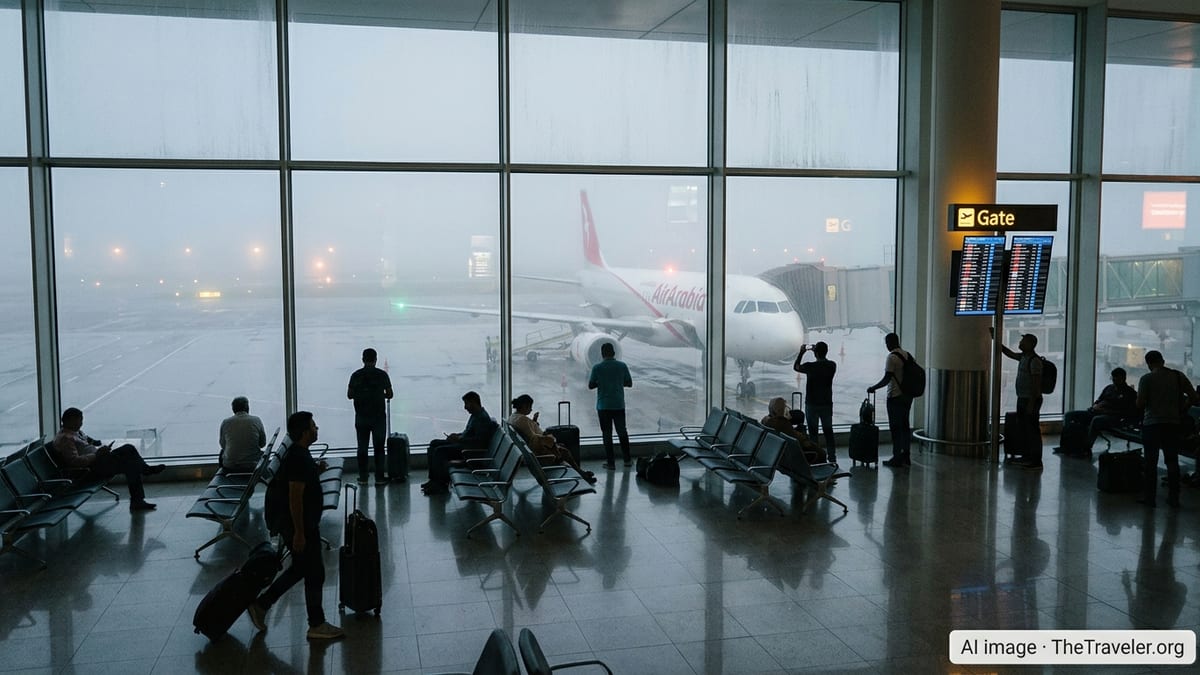
As advisories soften, airlines that rely on Gulf hubs are beginning to rebuild schedules that were heavily cut or rerouted during the peak of the crisis. Industry bulletins and airline statements compiled by regional travel media show that carriers based in Dubai, Abu Dhabi and Doha have been gradually reinstating flights on trunk routes linking Australia and New Zealand with Europe, often starting with major gateways such as London, Paris and Frankfurt.
Initial capacity increases have focused on overnight departures and key weekend banks, where pent up demand from deferred trips is strongest. Some carriers are also adding widebody aircraft on routes that remained active through the crisis in order to absorb connecting traffic that previously moved via alternative hubs in Asia.
Travel industry reporting indicates that alliance and codeshare partners are following suit, re-opening inventory on itineraries that once again involve Gulf transits. This is particularly evident in itineraries sold in Australia that combine local carriers with Middle Eastern airlines on through-tickets to Europe and Africa, restoring one stop options that had been unavailable or heavily restricted for several months.
Airport operators in Dubai, Abu Dhabi and Doha are meanwhile signalling a phased return to normal terminal operations after a period of heightened disruption, with reports of shorter queues at immigration and security compared with the height of the advisory period, even as the number of daily movements climbs.
Booking Surge As Travellers Pivot Back To The Gulf
Online travel agencies and corporate travel managers are reporting a pronounced shift in booking patterns as the updated guidance filters through. Data shared in trade coverage points to a double digit week on week jump in searches for Europe and Middle East itineraries routed through Dubai and Doha following the first signs of advisory easing for the UAE and Qatar.
Package operators that had redirected customers through Southeast Asian hubs now describe a pivot back toward traditional Gulf routings, citing a combination of lower fares, shorter total journey times and the perception of returning stability. Many tours for the northern summer and early southern spring are being re-costed to take advantage of restored capacity and aggressive seat sales designed to refill aircraft quickly.
The rush is especially evident among travellers who postponed family visits and major leisure trips during the height of the crisis. With school holidays approaching in both Australia and parts of the northern hemisphere, agents say customers who had been waiting for a clear signal that transit was acceptable again are now moving to lock in seats before prices climb further.
Corporate demand is also rebounding, particularly in sectors where face to face meetings and site visits in Europe, the Gulf and Africa were deferred rather than cancelled. Travel managers are revising internal policies that had temporarily banned routings via the UAE and Qatar, replacing them with requirements for enhanced duty of care checks and contingency planning.
Airlines Balance Opportunity And Ongoing Risk
The rapid return of demand is prompting airlines to walk a fine line between rebuilding revenue and demonstrating that they are still taking regional risks seriously. Network updates reviewed by industry analysts show that while many carriers are restoring frequencies to Gulf hubs, they remain cautious about specific overflight paths and continue to maintain contingency plans that allow for rapid rerouting around sensitive airspace.
Carriers are also keeping flexible waivers in place on some Middle East linked itineraries, allowing passengers to change routes or dates without standard penalties if security assessments shift. Insurance providers, in turn, are updating policy wording to clarify what is and is not covered when travellers choose to route through areas under elevated but not prohibitive advisories.
Industry commentary suggests that airlines are using a mix of real time intelligence, government advisories and their own operational data to decide how quickly to grow capacity. This means the pace of schedule restoration may differ sharply between carriers, even on the same city pairs, depending on individual risk appetite and fleet flexibility.
For travellers, that complexity translates into a wider range of options but also a stronger need to read fare conditions closely, verify transit rules just before departure and leave room in itineraries for unplanned disruptions, particularly on multi stop journeys that still touch other parts of the Middle East.
What The Shift Means For Australian Travellers
For Australians planning long haul trips, the easing of Smartraveller’s strongest warnings for the UAE and Qatar reopens some of the most convenient and competitively priced pathways to Europe, Africa and parts of Asia. It also reduces pressure on alternative hubs in Singapore, Bangkok and Hong Kong that had absorbed significant spillover during the height of the Gulf restrictions.
Travel advisers are encouraging customers to treat the revised guidance as a signal of relative risk, not a guarantee of smooth travel. Public information from Smartraveller and international counterparts continues to flag the potential for sudden changes in security conditions, short notice airspace closures and targeted disruptions around major regional events.
Experts in corporate risk highlight that organisations sending staff through Gulf hubs should maintain elevated monitoring and robust communication protocols, even as the official wording becomes less severe. This includes tracking staff movements in real time, confirming that emergency contact details are up to date and ensuring employees understand their options if flights are delayed, diverted or cancelled.
For leisure travellers, the message from publicly available guidance is to balance the appeal of reopened routes and attractive fares with careful planning. That includes reviewing travel insurance policies, registering for government advisory updates, and staying flexible on routing where possible, as the Middle East’s aviation landscape continues to adjust to a still fluid security environment.