


More news on this day
Somali referee Omar Abdulkadir Artan, hailed as one of Africa’s top match officials and set to make history at the 2026 FIFA World Cup, has been dropped from the tournament after being denied entry to the United States, triggering diplomatic ripples and a wider debate over how politics and border controls intersect with global sport.
Get the latest news straight to your inbox!
Who Is Omar Artan and Why His World Cup Role Mattered
Omar Abdulkadir Artan, 34, is widely regarded as one of Africa’s leading referees. Publicly available records show he has been on FIFA’s international list since 2018 and has officiated high-profile fixtures across the African continent, including in the Africa Cup of Nations and the CAF Champions League. In 2025 he was recognised as Africa’s referee of the year, underscoring his rapid rise through the ranks.
FIFA announced its list of match officials for the 2026 World Cup in April, confirming Artan as the first referee from Somalia ever selected for a senior men’s World Cup. For Somalia, where football remains a powerful symbol of recovery after decades of conflict, his appointment was celebrated as a landmark of national pride and a sign that Somali officials could compete at the highest level of the game.
Artan’s assignment to the tournament, jointly hosted by the United States, Mexico and Canada, was also seen as part of a broader effort by FIFA and the Confederation of African Football to diversify the pool of referees on the global stage. His removal from the officials’ list just days before the opening matches has therefore carried significance far beyond one individual’s career.
Somali football supporters, as well as many within the wider African football community, have voiced frustration that a rare opportunity for representation at the game’s pinnacle has been lost. The case has quickly turned into a flashpoint in discussions about how non-sporting decisions can reshape careers and narratives linked to emerging football nations.
How the Entry Denial Unfolded in the United States
According to multiple news reports, Artan travelled to the United States in early June expecting to finalize preparations with the other World Cup officials. Coverage indicates that he arrived with what Somali and regional media described as a valid visa and a diplomatic passport arranged after earlier visa difficulties, and with FIFA accreditation confirming his role at the tournament.
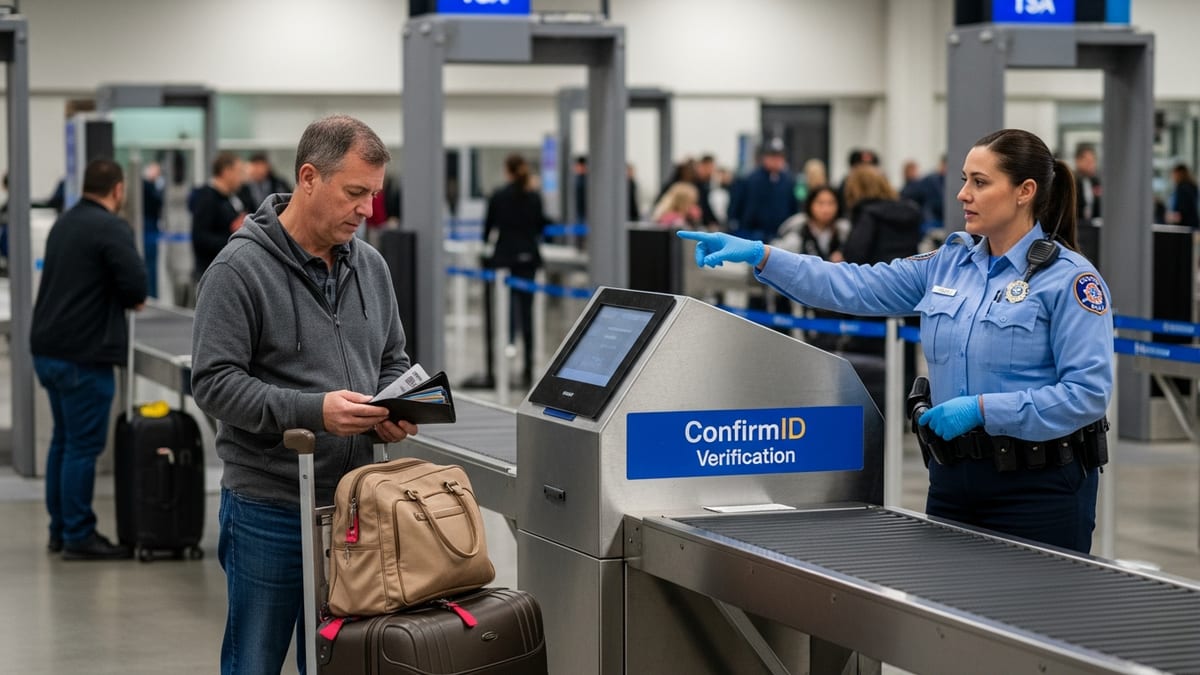
Reports indicate that when he landed at a US airport, immigration authorities refused him entry after additional screening. Public statements from US agencies have referred broadly to vetting concerns, while some coverage has cited officials linking the denial to alleged associations with individuals under security scrutiny. As of now, no detailed public evidence has been presented to substantiate those claims, and Artan himself has rejected any suggestion of wrongdoing in interviews published by international media.
Following his refusal of entry, Artan was put on a return flight and routed back through Turkey, from where he later continued to Somalia. Within days, FIFA confirmed that he would be “unable to train and officiate” at the 2026 World Cup, effectively removing him from the list of match officials for the tournament. In line with longstanding practice for major events, publicly available statements from FIFA have stressed that decisions on visas and admission are ultimately the responsibility of the host government.
The episode has unfolded against a backdrop of tighter US border and visa rules that have particularly affected travellers from a number of countries, including Somalia. The timing, just ahead of the opening of a World Cup marketed as a global celebration, has intensified scrutiny of how and when such rules are applied to participants invited under international sporting bodies’ banners.
Somalia’s Reaction and the Referee’s Hero’s Welcome Home
In Mogadishu and other Somali cities, Artan’s return has been met with scenes described in regional media as a hero’s welcome. Footage shared by broadcasters and on social platforms shows crowds gathering to greet him, with fans and local football officials portraying him as a symbol of achievement despite the disappointment of missing the World Cup.
Somali commentators have framed the incident as both a personal setback and a national affront, given the rarity of Somali participation in elite global sport. Analysts quoted in African and Middle Eastern outlets have argued that the case illustrates how athletes and officials from conflict-affected or politically sensitive countries can face additional hurdles that are largely beyond their control.
Somali journalists and opinion writers have also focused on the example Artan set in reaching the World Cup list. Many highlight his journey from officiating domestic league matches to controlling major African fixtures and earning continental honours. For younger Somali referees and players, his trajectory is still being presented as evidence that talent and professionalism can be recognised internationally, even if geopolitical frictions remain an obstacle.
The Somali national football federation and local clubs are now under pressure from supporters to ensure that Artan continues to receive top-level appointments in Africa and elsewhere. Commentaries in regional sports media suggest that there may be attempts to secure high-profile roles for him in future continental competitions as a way of underlining that his reputation within football remains intact.
FIFA, the United States and Growing Concerns Over Sporting Neutrality
The decision to bar Artan from entering the United States has sharpened a longstanding question about how neutral major sporting events can remain when they depend on host countries’ immigration and security policies. Published analyses in European and North American outlets note that while FIFA appoints referees, the final power over who crosses the border sits with national authorities, creating an inherent tension.
Legal and sports-governance experts cited in international coverage have warned that the incident could set a precedent for future tournaments, including the 2028 Olympic Games in Los Angeles. They argue that if invited officials and competitors cannot rely on predictable access once they have cleared event-specific vetting, the credibility of host nations as neutral stages may be undermined.
The United States, as lead host of the 2026 World Cup, has promoted the event as an open, inclusive festival of football. At the same time, human rights organisations and civil liberties groups have raised questions about how travel bans, heightened security checks and evolving visa regimes intersect with that message. Artan’s case has become a focal point in those debates, alongside reports of visa complications for some fans and delegations from other countries.
FIFA, for its part, faces renewed calls from commentators to seek stronger guarantees from host governments that accredited players, officials and support staff will be admitted unless there is clear and compelling evidence to the contrary. Some sports-law specialists have suggested that future hosting contracts may need more explicit clauses to protect the participation of individuals selected solely on sporting merit.
What This Means for Future Tournaments and African Referees
For African referees, Artan’s exclusion from the 2026 World Cup is being watched closely. Over the past decade, CAF officials have worked with FIFA to increase the number and profile of African match officials at global tournaments, including through targeted training camps and fitness programmes. Losing one of the continent’s most decorated referees for reasons unrelated to performance is widely viewed in African sports media as a setback.
Commentators say there are concerns that referees from countries subject to travel restrictions or security alerts will now be seen as higher-risk appointments for events in certain host nations. That perception, if it takes hold, could make it more difficult for officials from parts of Africa, the Middle East and other regions to receive key assignments, even if they meet or exceed all technical criteria.
At the same time, some analysts see the controversy as a potential catalyst for reform. Proposals mentioned in policy discussions include establishing clearer, pre-agreed pathways for security vetting of officials and athletes, greater transparency when individuals are denied entry, and a more prominent role for international sporting bodies in defending the rights of accredited participants.
For Somalia, the story is likely to remain a reference point for years. Whether or not Artan ever steps onto a World Cup pitch, his trajectory from domestic leagues to the centre of a global debate has already reshaped how Somali and African referees are perceived. As the 2026 tournament kicks off without him, the case continues to raise difficult questions about who gets to participate in sport’s biggest stages, and on whose terms.