


More news on this day
A Southwest Airlines flight operating as SWA4273 on the New Orleans to Dallas corridor diverted to Houston after weather disruptions in North Texas triggered airborne holding patterns and scheduling complications, according to flight-tracking data and publicly available reports.
Get the latest news straight to your inbox!
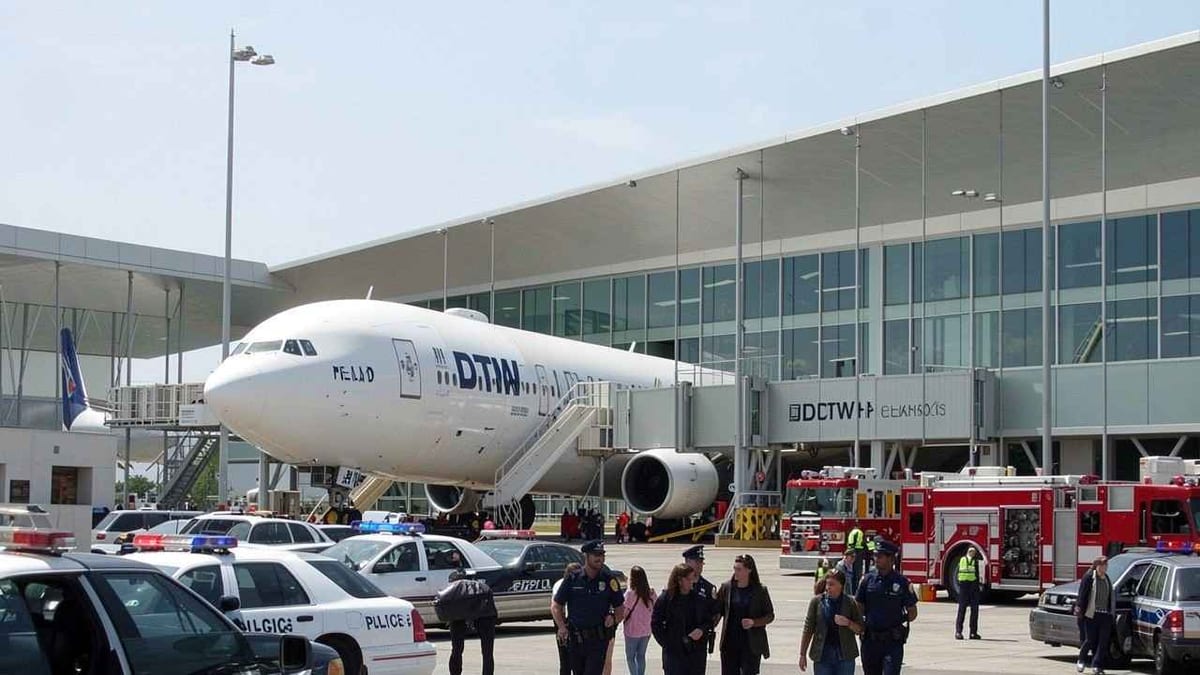
Stormy Weather Disrupts New Orleans to Dallas Corridor
The New Orleans to Dallas route is a heavily traveled corridor for Southwest Airlines, and summer thunderstorm activity can quickly affect operations across the region. Recent convective weather around the Dallas metro area prompted air traffic regulators to slow arrivals, causing a cascade of delays, diversions, and extended holding patterns for flights inbound to the city’s airports.
Publicly available radar imagery and aviation tracking information indicate that SWA4273 encountered these conditions while en route from New Orleans, resulting in a longer than planned time in the air. With storms lingering near Dallas and traffic flow restrictions in effect, the flight’s original plan to continue to North Texas became increasingly constrained.
As holding times increased and routing options narrowed, the aircraft ultimately diverted to Houston, a common relief destination for flights in this region when storms develop over Dallas and surrounding airspace. Diversions to Houston from Dallas-bound routes are routinely used as a safety and logistical measure when landing windows close due to severe weather.
Operational Pressures and Crew Duty Time Limits
Aside from the weather itself, diversions often reflect the tight regulatory environment governing airline operations. Pilots and cabin crew are subject to federal duty time and rest requirements designed to prevent fatigue. When a flight spends additional time in holding patterns or reroutes around storms, those minutes count against duty limits.
In cases such as SWA4273, publicly available commentary from aviation observers suggests that extended airborne delays can bring pilots close to their maximum allowable duty period. If a crew is at risk of exceeding those limits before landing and completing post flight procedures, diverting to an alternate airport with more immediate landing opportunities becomes a key operational safeguard.
If a diversion leads to a crew reaching its time limit after landing, the airline may need to secure a replacement crew or cancel the onward segment altogether. For passengers, that can translate into missed connections, unexpected overnight stays, or rebooking on later flights, even when the aircraft itself is in otherwise normal operating condition.
Passenger Impact and Rebooking Challenges
For travelers on SWA4273, the diversion to Houston meant an unplanned stop several hundred miles away from the intended destination in Dallas. Based on similar recent cases reported by passengers on U.S. carriers, diversions can result in lengthy waits on the ground as the airline coordinates gate space, fuel, crew scheduling, and onward travel options.
After arriving at an alternate airport, passengers may be asked to remain onboard while ground arrangements are finalized, particularly if parking positions or jet bridges are limited. Once deplaned, travelers are typically rebooked onto the next available flights, moved to ground transportation options, or offered hotel accommodations when overnight delays occur.
Houston’s role as a significant hub in the regional air network can ease some of these disruptions by offering multiple onward flights and highway connections back to Dallas and other cities. However, when diversions occur during busy travel periods or in the midst of widespread weather disruptions, seats on alternative services can be scarce, leaving some travelers to consider rental cars or buses to complete their journeys.
Southwest’s Network Strategy in the Gulf and Texas Region
Southwest Airlines maintains a deep presence in the Gulf South and Texas markets, including strong schedules from New Orleans to Dallas and Houston. Company fact sheets and historical data show that New Orleans has long served as a key station in the carrier’s network, with multiple daily departures to Dallas Love Field and Houston Hobby among other cities.
This density often benefits passengers by providing more options when irregular operations occur. When a flight like SWA4273 diverts, the existence of multiple daily services between New Orleans, Houston, and Dallas increases the possibilities for reaccommodation, whether by routing passengers through Houston, sending them back to New Orleans to try again once weather clears, or placing them on later nonstop flights to North Texas.
At the same time, a highly interconnected schedule means that disruptions in one part of the network can ripple through others. A weather system over Dallas can affect aircraft and crews scheduled to operate from New Orleans, Houston, and other nearby cities, compounding delays and cancellations for several rotations beyond the original storm window.
Weather Risk and What Travelers Can Do
The diversion of SWA4273 underscores how quickly severe weather can upend even short haul flights in the southern United States. Storm systems that form along the Gulf Coast or across central Texas may appear localized on consumer weather apps, yet still trigger widespread restrictions on arrivals, departures, and in flight routing.
Publicly available aviation guidance encourages travelers to build extra time into itineraries during peak thunderstorm seasons, particularly when connecting through weather prone hubs such as Dallas or Houston. Early morning departures may offer marginally lower disruption risk, since convective activity often intensifies later in the afternoon and evening.
Travelers are also advised in various consumer guides to monitor their flight status through airline channels and independent tracking tools, and to consider carrying essentials such as medication, chargers, and a change of clothes in hand luggage in case of an unexpected diversion or overnight delay. While diversions like that experienced by SWA4273 are primarily safety driven, advance preparation can significantly ease the discomfort and uncertainty when plans suddenly change.