


More news on this day
Hundreds of SpiceJet passengers departing from Delhi’s Indira Gandhi International Airport faced hours-long delays and chaotic scenes on September 19, 2026, after a check-in disruption at Terminal 1 left travellers unable to complete formalities for flights to Leh, Jammu and Dubai.
Get the latest news straight to your inbox!
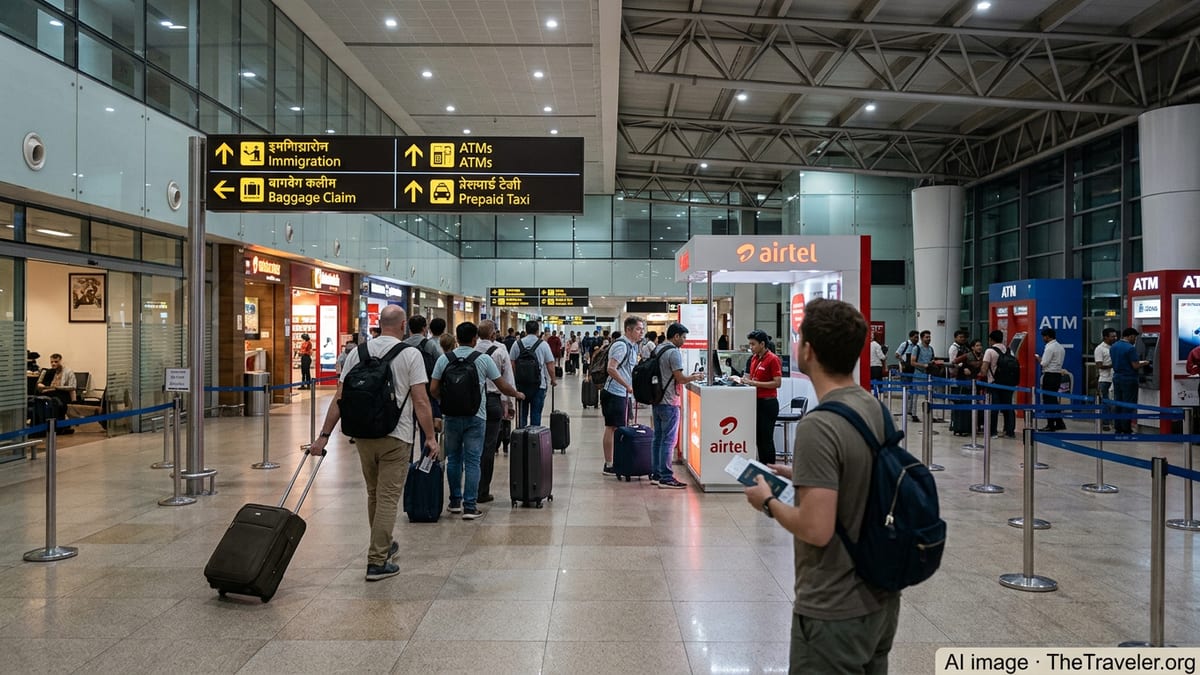
Early-morning disruption ripples across key SpiceJet routes
Published coverage indicates that the disruption began in the early hours of September 19, when passengers arriving for SpiceJet departures at Terminal 1 found several check-in counters unmanned and baggage-drop services unavailable. Travellers bound for high-demand routes such as Leh and Jammu reported waiting in queues without clear information about revised departure times.
Multiple reports describe delays affecting at least three SpiceJet services from Delhi: SG121 and SG127 to Leh and SG2160 to Jammu. One Leh-bound departure, SG127, was widely reported as scheduled for an early-morning takeoff but pushed back by more than four hours, with passengers still in the terminal well into mid-morning.
Media outlets in India also noted that services to Dubai were caught up in the disruption. In recent days, separate coverage has highlighted SpiceJet’s Delhi–Dubai operations for extended delays of up to 24 hours, with some passengers staging sit-in protests at the airport. The check-in issues on September 19 added to the perception of operational strain on the carrier’s schedule out of the capital.
Video segments and social media posts from the terminal showed large crowds forming around SpiceJet desks and departure gates, as travellers sought clarity on whether their flights would operate and when boarding would begin. Publicly available information suggests that airport operations outside the SpiceJet check-in area continued largely as normal, underlining the airline-specific nature of the disruption.
Passengers stranded amid limited information and growing queues
Accounts compiled from Indian news outlets and social platforms describe passengers waiting for several hours without boarding announcements, as staff worked to restore check-in services and process backlogs. Some travellers reportedly learned of delays only after reaching the airport, despite earlier schedules still appearing on third-party apps and screenshots shared online.
On the Leh and Jammu sectors, the timing of the disruption was particularly challenging for passengers. Morning departures to Himalayan destinations such as Leh are constrained by weather and airspace conditions later in the day, which can narrow the operational window for delayed flights. Passengers in these queues expressed concern about missing onward connections, hotel reservations and tightly planned short itineraries.
Reports from mainstream Indian broadcasters indicated that more than 500 SpiceJet passengers at Delhi were affected across the network by delays on September 19. At Terminal 1, images published in local coverage showed families sitting on the floor near closed counters, while others clustered around electronic departure boards, checking for updates to flight statuses.
Some travellers on Delhi–Dubai itineraries reported that they were offered revised timings significantly later than their original departures, with publicly available coverage citing delays that in certain earlier incidents had stretched close to a full day. The check-in disruption added another layer of uncertainty for long-haul and international-bound passengers who had already cleared security or arranged connecting travel to Delhi.
SpiceJet cites operational reasons as scrutiny intensifies
In public statements referenced across Indian media, SpiceJet attributed delays on flights SG121, SG127 and SG2160 from Delhi to Leh and Jammu on September 19 to operational reasons, without elaborating on the exact technical or staffing issues behind the check-in disruption. The airline maintained that it was working to minimise inconvenience and move affected flights as soon as feasible.
The disruption comes at a time when SpiceJet’s performance at Delhi has been under close watch from frequent flyers and consumer advocates. Recent weeks have seen multiple complaints shared on consumer forums and travel discussion platforms about rescheduling, last-minute cancellations and extended delays on certain domestic routes, including Leh and other tourist-heavy destinations.
Coverage of protests by Delhi–Dubai passengers earlier in September, in which groups staged sit-ins inside the terminal after delays of more than 24 hours, has sharpened public focus on the airline’s reliability. Those incidents, widely reported by national newspapers and television channels, featured passengers demanding clearer communication and more proactive handling of overnight disruptions.
Indian aviation commentary has pointed out that while airlines across the region face periodic shocks from air-traffic, weather and technical issues, repeated operational disruptions at a single carrier can quickly erode traveller confidence. The latest check-in problems at Delhi are likely to be closely examined by both travellers and industry observers tracking the carrier’s recovery strategy and on-time performance.
What affected SpiceJet passengers are entitled to in India
For travellers caught in the September 19 disruption, questions quickly turned to what support and compensation they might receive. Publicly available information from SpiceJet’s own passenger rights page sets out the airline’s commitments in the event of significant delays once a traveller has checked in on time.
According to the airline’s published policy, passengers whose flights are delayed after check-in are to be provided with reasonable refreshments at the airport when waiting for revised departures. Where a delay extends beyond 24 hours from the original scheduled departure, or exceeds six hours for late-night flights scheduled between 20:00 and 03:00, the carrier says it will arrange hotel accommodation when necessary.
The policy information also notes that alternate flight accommodation may be offered on SpiceJet services in the same sector within seven days before or after the original travel date, subject to seat availability and at the airline’s discretion. For international routes, the options may include rebooking on subsequent departures or offering refunds in line with fare conditions and Indian aviation regulations.
India’s broader regulatory framework for air passenger rights is set by the Directorate General of Civil Aviation, which outlines minimum standards of care and compensation for delays and cancellations under specified conditions. Travellers frequently use this framework, along with airlines’ own published commitments, when pursuing redress through airline customer service channels, online complaint portals or consumer tribunals.
Practical guidance for travellers using Delhi’s busy hub
The disruption at SpiceJet’s check-in counters highlights the importance for travellers of building extra buffer time into itineraries from Delhi’s Indira Gandhi International Airport, particularly on early-morning departures and flights to weather-sensitive destinations such as Leh. Publicly available guidance from airport operators and airlines alike emphasises arriving well ahead of departure, monitoring official flight-status tools and being prepared for last-minute changes.
Passengers planning to fly SpiceJet from Delhi can check the airline’s official website or mobile app for real-time gate and timing updates, and verify which terminal their flight is scheduled to use, as some domestic services have been shifted between Terminal 1 and Terminal 3 in recent seasons. Confirming these details a day before travel and again a few hours prior to leaving for the airport can help reduce surprises at check-in.
Travel advisers in India often recommend that those with critical onward connections consider leaving longer gaps between segments when travelling on separate tickets, especially if using carriers that have recently experienced operational disruptions. Booking through a single carrier or codeshare agreement can sometimes offer more protection, since missed connections may be re-accommodated within the same reservation.
For passengers who do experience severe delays or missed connections, travellers’ rights advocates suggest keeping boarding passes, receipts for any food or accommodation purchased during the wait, and written communication from the airline about the cause and length of the delay. These documents can support later claims for refunds or compensation under the airline’s stated policies and applicable Indian aviation rules.