


More news on this day
SpiceJet passengers at Delhi’s Indira Gandhi International Airport faced another rough stretch of travel this week as multiple delays and disruption reports left flyers waiting for hours, navigating terminal confusion, and scrambling to rebook onward plans.
Get the latest news straight to your inbox!
What happened at IGI Airport and which flights were affected
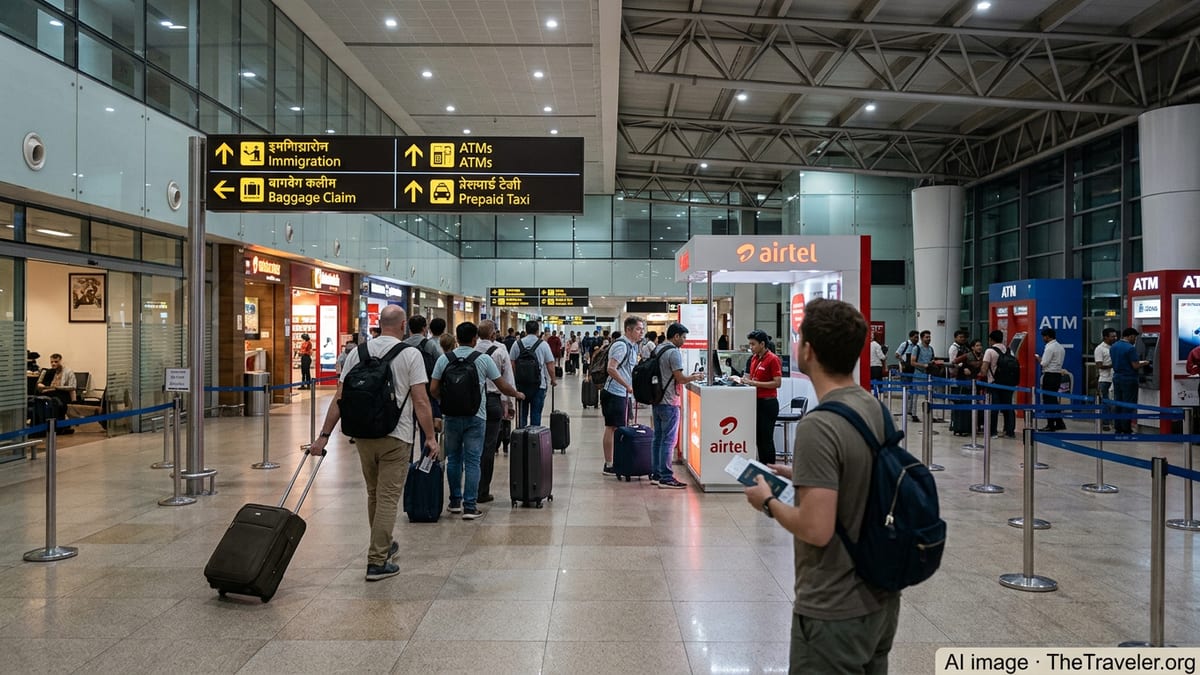
Published coverage indicates that the latest spike in passenger disruption centered on Saturday, September 19, 2026, when check-in and early-morning operations at Delhi’s Terminal 1 became a choke point for several SpiceJet departures. Reports described long queues at counters, limited clarity on revised departure times, and knock-on delays across part of the airline’s schedule.
Among the flights frequently cited in the reports were Delhi to Leh services SG121 and SG127 and the Delhi to Jammu service SG2160. Across outlets, the disruptions were repeatedly characterized as “operational” in nature. Flight-tracking data for SG127 on September 19 also showed a significant delay compared with its scheduled departure time, reflecting how early-morning slippage can ripple through later rotations.
The problems in Delhi followed earlier passenger complaints tied to international services, including Dubai-bound flights earlier in the week. Reports described extremely long delays for some Delhi to Dubai departures, contributing to visible crowding and frustration around gates and customer-service points.
Why the delays felt especially harsh for travelers
Delhi is a high-volume hub, and disruptions at check-in can quickly become more than a late departure. When passengers cannot complete baggage drop or receive boarding passes on time, the delay becomes a terminal experience: missed security windows, missed boarding calls, and the risk of being separated from checked luggage if systems are moving slower than the flight timeline.
For travelers headed to destinations such as Leh and Jammu, timing sensitivity adds pressure. These routes often connect to pre-booked ground transport, hotel check-ins, tours, or onward flights. A multi-hour hold at the departure airport can turn into an all-day disruption at the destination, even if the aircraft eventually departs.
Terminal allocation can also add confusion. SpiceJet operates from both Terminal 1 and Terminal 3 at IGI Airport depending on flight number and operational planning, and passengers frequently rely on airline and airport status tools to confirm where check-in is taking place before traveling across the airport complex.
Passenger rights and what airlines are required to provide in India
India’s passenger protections for delays and cancellations are laid out in the Directorate General of Civil Aviation’s Civil Aviation Requirements (CAR), Section 3, Series M, Part IV, which outlines facilities airlines must provide in cases of denied boarding, cancellations, and delays. Publicly available government material also emphasizes that carriers are expected to facilitate affected passengers in line with these rules.
The CAR framework focuses on assistance at the airport in longer disruption scenarios, which can include provisions such as care and facilities depending on the length and timing of the delay. For travelers, the practical takeaway is to preserve proof of the disruption: keep boarding passes, booking confirmations, and any airline messages, and request written documentation of delay or cancellation where available at the airport.
For international itineraries, travelers may also be covered by additional legal frameworks applicable to international carriage. Public information from India’s civil aviation ministry highlights that the Montreal Convention is reflected in India’s legal framework for international carriage, including carrier liability concepts related to delay, baggage, and other impacts.
What travelers can do now if they are flying SpiceJet from Delhi
For passengers with SpiceJet bookings departing Delhi in the coming days, the most useful immediate step is to check flight status repeatedly, including before leaving for the airport and again upon arrival, because short-notice time changes can occur. Where possible, travelers may want to arrive with extra buffer time for check-in and baggage drop, especially for early-morning departures when counter staffing and queue buildup can have outsized impact.
Travelers should also confirm the correct terminal well before departure. SpiceJet’s publicly posted Delhi terminal guidance indicates that terminal assignment can vary, and Delhi’s large footprint makes last-minute terminal switches costly in time and ground transport. Confirming terminal details on the booking, airline guidance, and the airport’s flight display can reduce the risk of arriving at the wrong building.
Finally, passengers with tight connections, time-sensitive appointments, or prepaid tours may want to consider flexible alternatives before disruption hits: refundable hotel arrangements where possible, travel insurance that covers delay-related expenses, and backup routing options if the fare difference is acceptable. For those already affected, keeping receipts for reasonable out-of-pocket costs can help support any later claims under airline policies or applicable rules.
Broader context: repeated disruption reports and pressure on operations
The Delhi incidents have drawn heightened attention because they follow earlier reports of prolonged delays on SpiceJet’s Delhi to Dubai flights earlier in the week, which multiple outlets described as extending beyond a full day in some cases. The clustering of disruptions across several days has amplified passenger concern about operational reliability for both domestic and international travel from the capital.
For airports, irregular operations create a difficult balancing act: managing crowding at check-in, keeping security lanes flowing, and coordinating with airlines and ground handlers as flight schedules change. Public posts and published coverage around the Delhi incidents also point to the logistical strain that builds when multiple departures face delays at similar times, particularly in peak morning waves.
As the busy autumn travel period continues, passenger advocates and frequent fliers often advise building extra time into itineraries, especially when itineraries include onward connections or prepaid plans. In the near term, travelers departing Delhi on SpiceJet may prioritize frequent status checks and flexible planning until schedules stabilize.