


More news on this day
Bradley International Airport in Windsor Locks is bracing for a sharp spring break surge, with more than 139,000 passengers expected to pass through its terminals over a compact April travel window.
Get the latest news straight to your inbox!
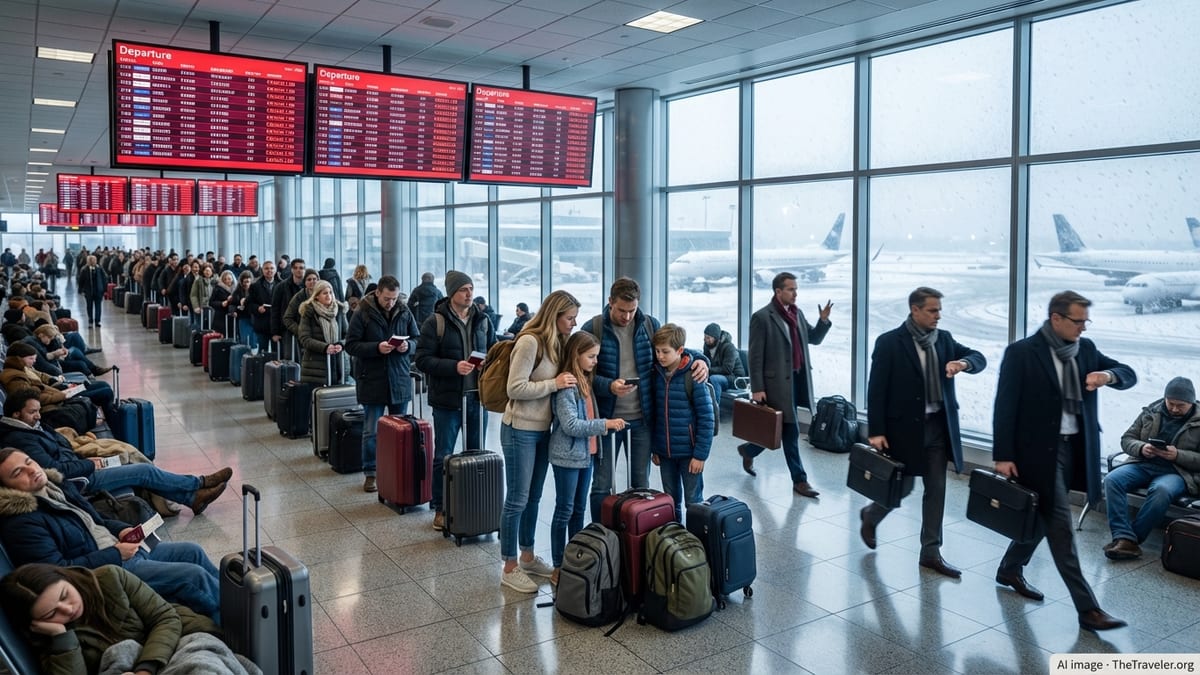
Mid-April Rush Sets Busy Tone for 2026 Travel Season
Publicly available information from the Connecticut Airport Authority indicates that Bradley International Airport is expecting more than 139,000 travelers during the peak spring break period in mid-April 2026, covering roughly April 8 through April 19. The projection marks one of the airport’s strongest early-season travel stretches since the pandemic, highlighting continued demand for leisure trips as school districts across New England head into their April recess.
Local broadcast coverage reports that the anticipated volume represents a noticeable increase over recent spring break periods, when roughly 125,000 passengers were estimated to depart during comparable April vacation windows. The latest outlook aligns with broader national trends, as airports around the United States are reporting sustained or record demand for spring travel in 2026.
The forecast is concentrated in a relatively tight, 12‑day period, which is expected to create pronounced peaks rather than a slow build in passenger traffic. Airport operators are signaling that the crush of travelers will be most visible at security checkpoints, parking facilities, and curbside drop‑off areas in the early morning and late afternoon hours.
Bradley, New England’s second‑busiest airport after Boston Logan, has already been tracking higher passenger numbers through the early months of 2026. Internal passenger statistics released earlier this year show steady gains over 2025, suggesting that the spring break surge is part of a longer recovery arc for the region’s air travel market.
Peak Days, Busiest Hours and Pressure Points
Airport advisories and local news reports indicate that the heaviest traffic is expected on the Fridays and Sundays that bookend the spring break period, as well as on the first Thursday of the recess when many families begin their trips. Early morning departures, especially between 4 a.m. and 7 a.m., are being highlighted as the most congested hours at ticket counters, security checkpoints, and boarding gates.
Parking demand is projected to mirror the passenger spike. Public information from the airport points to elevated use of on‑site garages and economy lots, with travelers urged through public channels to check space availability before arriving and to budget extra time to navigate shuttle transfers from overflow locations if primary lots near capacity.
Inside the terminal, security screening is likely to be a key pressure point. While recent traveler reports have described relatively efficient morning processing times during nonpeak days, the combination of increased leisure traffic, family groups, and infrequent flyers is expected to lengthen queues during the busiest stretches of the break. The airport has been directing passengers, via its public communications, to arrive earlier than usual and to prepare for screening by following Transportation Security Administration guidelines.
The surge is also expected to put additional strain on concessions and seating near popular departure gates. With more families and larger travel parties, gate areas could become crowded well ahead of boarding times, especially on routes to warm‑weather destinations.
Leisure Routes Drive Demand as Airlines Adjust Capacity
Travel industry coverage of Bradley’s spring break period indicates that leisure‑focused routes are driving much of the increase in demand. Flights to Florida, coastal Carolinas, and popular Midwestern and Mid‑Atlantic getaway cities are among the services expected to see higher load factors as vacationers take advantage of school holidays.
Airlines operating at Bradley have already been rebuilding capacity over the past two years, and published schedule data for spring 2026 show a more robust roster of nonstop options than during the early recovery period. Additional frequencies on select domestic routes, along with competitive pricing, appear to be supporting the anticipated 139,000‑plus traveler count.
International services are also contributing to the momentum, particularly transatlantic and Caribbean links that cater to both leisure and visiting‑friends‑and‑relatives traffic. The broader network means that Bradley is functioning not only as an origin and destination airport for Connecticut residents, but also as a convenient alternative gateway for passengers from western Massachusetts and neighboring states.
In recent months, the airport’s passenger statistics have reflected this shift toward a more diversified route map. Annual totals released for 2025 show millions of enplanements and deplanements, and the 2026 numbers are on track to keep rising if spring and summer demand holds.
New Gates and Terminal Upgrades Support Higher Volumes
The spring break surge will be one of the first major travel tests for Bradley’s latest terminal expansion. A Connecticut Airport Authority press release from January 2026 detailed the completion of a multi‑year project that added new gates and amenities to the main terminal concourse, part of an effort to modernize facilities and accommodate a growing passenger base.
The expansion includes three additional passenger gates, along with refreshed waiting areas and upgraded passenger services. These additions are designed to relieve pressure on existing gate areas during peak times, reduce towing and remote boarding operations, and give airlines more flexibility in how they schedule aircraft throughout the day.
For travelers passing through during the April rush, the impact of these improvements will likely be felt in more subtle ways. More gate seating, better circulation space in the concourse, and updated wayfinding can help ease bottlenecks when multiple flights are boarding or arriving simultaneously.
Infrastructure investments at Bradley mirror a wider push across U.S. airports to align terminal capacity with post‑pandemic demand. Several mid‑sized hubs have undertaken concourse expansions, security reconfigurations, and curbside upgrades to handle growing passenger flows during high‑travel periods such as spring break and the summer holidays.
Guidance for Travelers Navigating the Spring Break Rush
While the operational focus is on managing the 139,000‑plus travelers expected in mid‑April, public advisories and travel industry guidance are placing equal emphasis on what passengers can do to reduce stress during the surge. Recommendations commonly highlight arriving at the terminal well ahead of departure, confirming flight status before leaving for the airport, and allowing extra time for parking and shuttle transfers.
Another recurring message in recent coverage involves identification requirements. Transportation and travel outlets continue to remind passengers that, beginning in May 2025, domestic air travelers using a driver’s license or state‑issued ID will need Real ID‑compliant identification. Although Bradley’s spring break rush falls slightly before that deadline, the airport and regional media are using the busy travel window to encourage passengers to verify that their identification meets upcoming federal standards.
Travel experts also advise packing with security screening in mind, including reviewing liquid and electronics rules in advance, particularly for families traveling with children. Passengers are being encouraged to make use of mobile boarding passes, airline apps, and real‑time flight alerts to stay informed about any schedule adjustments that could arise from weather systems or broader air traffic constraints elsewhere in the country.
As Bradley International Airport moves through this concentrated spring break period, its performance will offer an early snapshot of how well the region’s aviation infrastructure is positioned for the heavier summer travel months ahead. For travelers, the experience may serve as a preview of what to expect during peak 2026 vacation travel across the United States.