


More news on this day
A traveller left stranded overnight after flight delays at London Stansted Airport was reportedly forced to spend £357 of his own money to get home, drawing renewed attention to how little many passengers understand about their rights when severe disruption hits one of the United Kingdom’s busiest low cost hubs.
Get the latest news straight to your inbox!
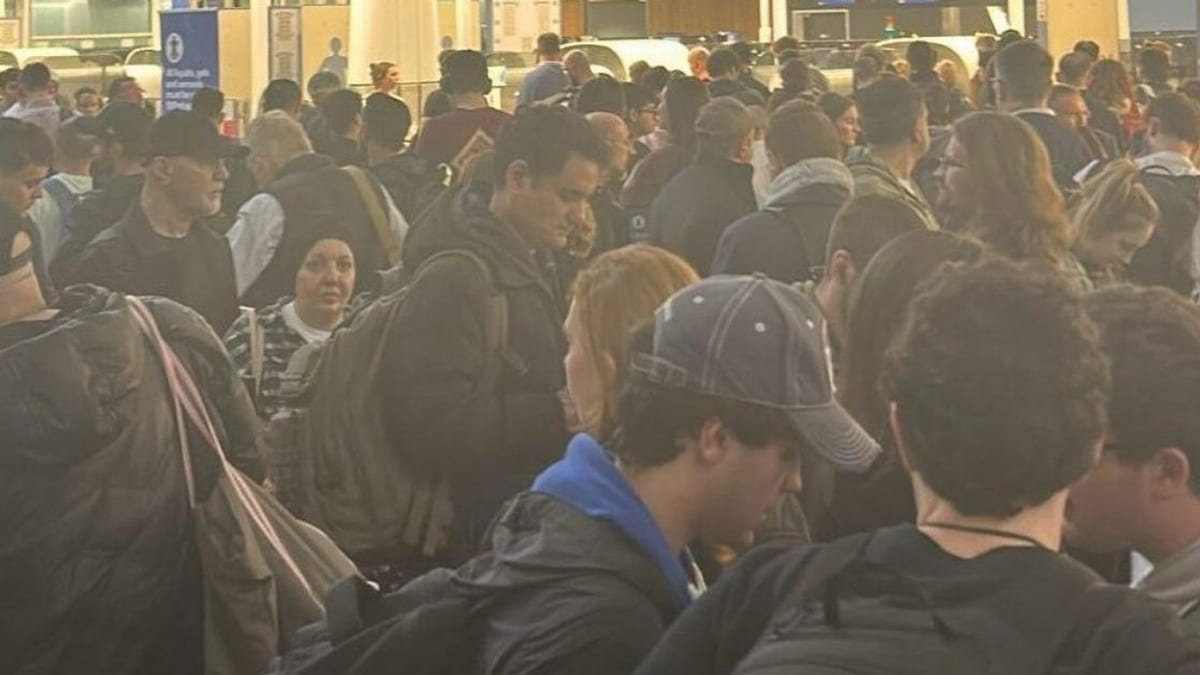
A Costly Journey Home After Stansted Delays
Recent coverage from UK consumer and travel outlets describes how heavy disruption at London Stansted led to a chain of missed connections and abandoned rebookings, ultimately leaving one man facing a £357 bill for alternative travel and accommodation when he could not complete his journey as planned.
Reports indicate that a combination of late-running flights and overnight schedule changes left passengers stuck in the terminal with limited practical options. With onward connections no longer viable and no immediate replacement flight available that would get him home in time, the traveller chose to arrange his own way back rather than wait in the airport until the following day.
The incident has struck a chord among frequent flyers because the sum involved is not unusually high for last minute hotels, trains and taxis in the UK, yet it represents a serious hit to many household budgets. It also illustrates how quickly costs mount when disruption pushes travellers beyond what airlines and airports are immediately willing or required to cover.
Accounts of the episode have circulated widely on social media and in online forums, where other passengers have shared similar experiences of being left to pay for emergency arrangements at or after Stansted when significant delays unravel their plans.
Where Airline Responsibility Ends And Passenger Costs Begin
Under the UK’s post Brexit version of EU Regulation 261, airlines operating from British airports must provide care in the form of meals, refreshments and, where necessary, hotel accommodation and transport between the airport and that hotel when long delays or cancellations occur. They may also owe fixed cash compensation for certain delays that are within their control.
However, passenger advocacy groups and travel law specialists note that this regime does not automatically reimburse every secondary cost caused by disruption. If a traveller chooses to abandon a trip, reroute independently, or book a different carrier rather than accept the airline’s next available option, they can find themselves responsible for those extra expenses unless they can later demonstrate that the airline failed in its duty of care.
In cases like the Stansted disruption, the dividing line can be complicated. If staff offer hotel vouchers and a rebooked flight, some passengers feel pressured to accept even when it would mean missing work, family events or connecting travel that cannot be moved. Others, like the man who ended up £357 out of pocket, opt to manage the situation themselves, only to discover that recovering those funds is far from straightforward.
Consumer groups point out that the burden often falls on individuals to keep receipts, research the law and pursue claims over many weeks. For travellers who are not familiar with aviation rules or who booked the cheapest possible ticket without add on protections, the process can seem daunting enough that they simply absorb the loss.
Why Stansted Disruption Hits Budget Travellers Hard
London Stansted is a major base for low cost airlines and serves millions of price sensitive travellers each year. When disruption occurs, the impact can be particularly painful for passengers who have chosen the airport specifically to keep costs down, as last minute alternatives often erase any savings the original fare provided.
The late night and early morning flight schedule at Stansted also increases the chances that serious delays will spill into the small hours, when public transport options into London or other regional hubs are reduced. Taxis or ride hailing services from the airport can be expensive, meaning passengers who miss the last train or coach may have no realistic low cost way to get home.
Reports on recent incidents at the airport indicate that when weather, technical problems or knock on delays elsewhere in the network combine, hundreds of people can be affected at once. Hotel rooms near the terminal quickly sell out or jump in price, while rail and coach services fill with rebooked travellers, pushing some into paying premium fares at short notice.
For the man left paying £357 after the Stansted delays, those structural factors likely played a significant role in the final bill, highlighting how the design of the wider transport system can leave travellers exposed when aviation schedules unravel late in the day.
Passenger Rights, Insurance And The Limits Of Protection
Travel advisers say that while aviation regulations set a baseline of support, additional layers of protection can make a crucial difference. Comprehensive travel insurance, for example, may cover missed connections, overnight accommodation and alternative transport up to specified limits, regardless of whether the airline is ultimately at fault.
However, not all policies are equal. Cheaper or basic products may exclude delays caused by air traffic control restrictions, weather or strikes, which are frequent drivers of disruption at major airports. Passengers who buy cover only through a quick add on at checkout may not realise the limitations until they try to claim for a sum similar to the £357 incurred in the Stansted case.
Payment method can also matter. Some bank accounts and credit cards include built in travel protections that reimburse reasonable expenses when journeys are significantly delayed or cancelled, provided cardholders used them to pay for the trip. Yet these benefits are often underused because customers are unaware they exist or do not keep detailed documentation when problems arise.
The Stansted incident underscores how important it is for travellers to understand in advance which safety nets apply to their journey. Without that knowledge, they may either overestimate their entitlement to automatic reimbursement or, conversely, fail to claim costs they could legally recover.
Calls For Clearer Information And Easier Claims
The story of the passenger left £357 out of pocket has added to broader public debate about how well UK travellers are protected when flights go wrong. Consumer organisations argue that regulations on paper are only as effective as their implementation, and that many people still struggle to navigate complex claims processes after a stressful disruption.
Campaigners have urged airlines, airports and booking platforms to present key rights in clearer, more prominent ways at the time of purchase and again when delays start to build, so that passengers can make informed decisions about whether to wait, accept rebooking, or arrange their own alternatives.
Some legal experts have also suggested streamlined online claims portals or standardised forms that could reduce the administrative burden on both airlines and customers. They note that when travellers can easily upload receipts, boarding passes and delay confirmations, disputes over cases like the Stansted incident may be resolved more quickly and with less friction.
For now, the experience of the man forced to pay £357 after being stranded at London Stansted serves as a cautionary tale. It illustrates both the financial risks of severe airport disruption and the continuing gap between the protections that exist in law and the practical help many passengers feel they receive when their plans fall apart.