


More news on this day
Severe summer storms sweeping across the northeastern United States on Sunday triggered widespread air travel disruption and forced the temporary shutdown of Philadelphia’s FIFA Fan Festival, stranding travelers and soccer fans alike as lightning and heavy rain moved through the region.
Get the latest news straight to your inbox!
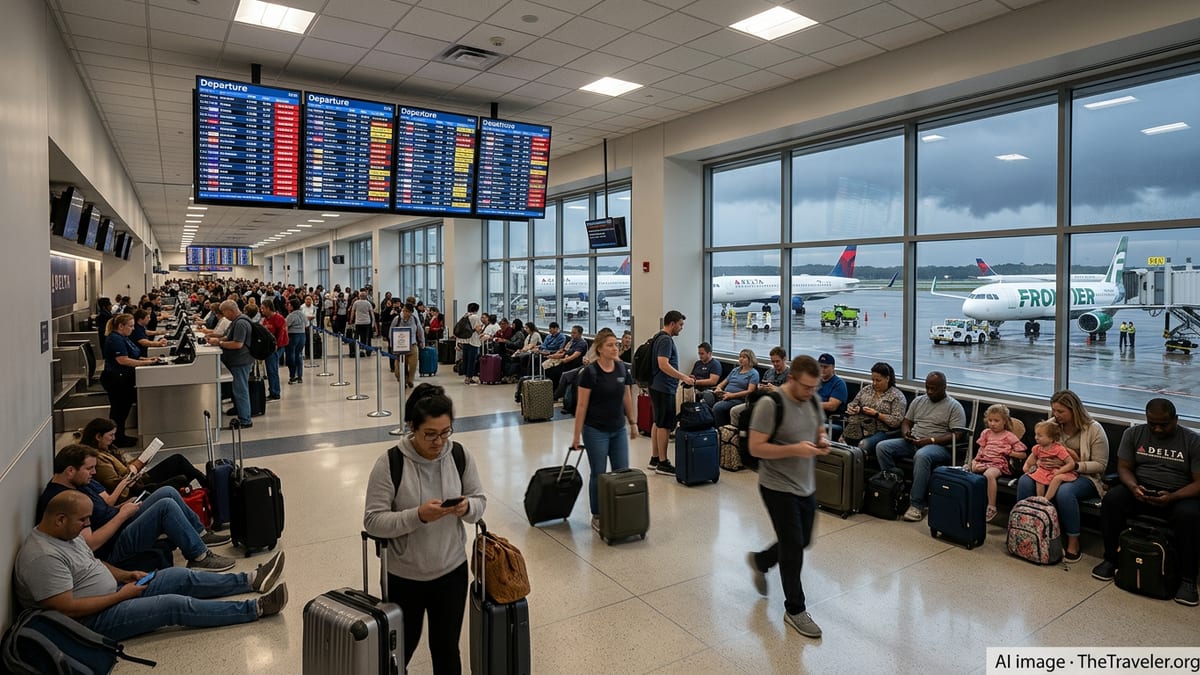
Thunderstorms Trigger Widespread Flight Disruptions
Storm cells tracking across the mid-Atlantic and Northeast led to significant delays and cancellations at major airports on July 19, particularly for flights bound to or departing from Philadelphia International Airport. Publicly available aviation data showed ground delays and traffic management programs in place for Philadelphia as thunderstorms reduced arrival and departure capacity.
Information posted through federal aviation systems indicated that thunderstorms in the Philadelphia area were causing average departure delays of more than an hour at several points over the weekend, with additional airborne holding for flights already en route. Airlines responded by trimming schedules, rerouting aircraft and, in some cases, cancelling flights outright when crews and planes could not be repositioned in time.
Reports from passengers on social media and travel forums described cascading impacts across the network, as weather-related restrictions in the Northeast affected flights far beyond the Philadelphia region. Travelers flying between hubs such as New York, Dallas and San Juan reported extended tarmac waits, multiple rolling delays and same-day cancellations as storms periodically flared along the busy corridor.
Industry observers note that summer thunderstorms can be especially disruptive because they often form quickly and sit directly over key arrival and departure routes. Even relatively short-lived storm cells can sharply reduce the number of takeoffs and landings an airport can safely handle, creating long lines of aircraft and ripple effects that spread nationwide.
FIFA Fan Festival Hit by Lightning and Heavy Rain
The same line of storms that disrupted air travel also swept across Philadelphia’s Lemon Hill, home to the city’s FIFA Fan Festival. The outdoor venue, designed to operate for all 39 days of the World Cup with large screens, concerts and family activities, has been a focal point for visiting supporters and local residents throughout the tournament.
On multiple days in recent weeks, including July 11 and again during the latest round of severe weather, festival operations were temporarily halted as lightning and intense rainfall moved into the area. Video and eyewitness accounts from that earlier storm showed fans turned away at entry points and gathering under cover as event organizers activated a “code red” weather protocol and delayed access to the site until conditions improved.
City event guidance published ahead of the tournament outlined that the fan zone would operate rain or shine but could be cleared or closed if lightning approached or winds and downpours created safety concerns. The most recent storms prompted additional weather holds, with large outdoor screens briefly shut down and match-viewing parties paused while organizers monitored radar and waited for clearance to resume programming.
Visitors who had come to watch knockout-stage matches reported sudden schedule changes, including early closures of evening sessions and delayed openings for afternoon events. Many sought refuge in nearby indoor venues or shifted to bars and restaurants showing the matches while waiting for official word on when the fan area would reopen.
Travelers and Fans Face Difficult Choices
The combination of flight disruption and intermittent festival closures left some World Cup visitors weighing whether to stay put, reroute, or abandon plans altogether. With Philadelphia hosting a cluster of key matches and serving as a transit point for fans heading to other host cities, many travelers had tight connections and nonrefundable bookings tied to specific game days.
Accounts shared by passengers described missed connections onto domestic and international flights, with some travelers rebooked through alternate hubs or arriving hours later than planned. Others reported last-minute cancellations after extended delays, forcing overnight stays and rapid changes to itineraries originally built around match schedules.
Soccer supporters already in Philadelphia faced a different kind of uncertainty. While games at the stadium continued under established lightning-delay protocols, fan festival attendees had to contend with swift evacuations of outdoor viewing areas and the possibility that planned concerts or activations would be cut short or cancelled if conditions failed to improve.
Local hospitality businesses near the fan zone reported increased foot traffic whenever storms rolled in, as visitors sought indoor spaces to watch matches and wait out the weather. For some travelers, these impromptu detours softened the blow of missed festival programming, while others expressed frustration at losing rare opportunities to experience the official outdoor celebrations.
City and Event Plans Tested by Extreme Weather
Philadelphia’s preparations for the World Cup, detailed in city planning documents released ahead of the tournament, anticipated heavy visitor volumes and laid out transportation, security and crowd-management strategies for the FIFA Fan Festival and stadium. The recent rounds of severe weather have provided an early test of those plans, particularly around evacuation procedures and communication with the public.
Event information made available by the city emphasized that weather-related closures were possible and encouraged attendees to monitor official channels before traveling to the fan zone. The storms that affected the festival highlighted the challenge of balancing an open, welcoming event concept with the need for rapid response when lightning approaches large outdoor crowds.
More broadly, the disruption underscores how sensitive major sporting events and aviation systems remain to extreme weather. Recent research into air transportation performance has documented how thunderstorms and other severe conditions can cause sharp spikes in airport dwell times and missed connections, even when overall storm duration is relatively short. The current World Cup, spread across a vast geography and scheduled in the heart of North America’s thunderstorm season, has brought those vulnerabilities into sharp relief.
For now, forecasts indicate the potential for additional pop-up storms as the tournament approaches its final matches, raising the possibility of further localized delays for both flights and fan events. Travelers heading to or through Philadelphia are being urged by airlines and travel advocates to build extra time into their plans, stay flexible with connections, and check flight status frequently as weather patterns continue to shift.
What Travelers Should Know Moving Forward
With the FIFA Fan Festival scheduled through July 19, visitors planning last-day celebrations in Philadelphia face a narrow window in which storms could again force schedule changes. Event materials advise attendees to arrive early, travel via public transit when possible, and prepare for temporary holds or evacuations if lightning is detected within the vicinity of Lemon Hill.
Air passengers across the Northeast, meanwhile, are being encouraged to treat any forecast of thunderstorms as a potential trigger for rolling delays. Travel experts recommend booking earlier departures when possible, avoiding tight connections at weather-prone hubs, and using airline apps to track gate changes and rebooking options in real time.
For those still hoping to catch the final World Cup matches in person or at official viewing sites, flexibility remains essential. Some fans have shifted to indoor watch parties or smaller local gatherings to reduce the risk of weather interruptions, while others continue to aim for outdoor festival experiences, accepting that sudden pauses or closures are part of attending large-scale events in storm-prone conditions.
As Philadelphia wraps up its month-long role as both host city and gathering place for global supporters, the recent storms have added an unpredictable twist to an already complex logistical challenge. Whether in crowded terminals or on the lawns of Lemon Hill, the final days of the tournament are unfolding against a backdrop of unsettled skies, reminding visitors that even the most meticulously planned celebration can be reshaped by the weather.