


More news on this day
Travelers flying Tuesday, September 1, are facing another day of weather-related turbulence in the sky and on the ground, as severe storms sweeping through the Northeast and a developing tropical system in the Gulf Coast trigger fresh rounds of flight delays, cancellations and flexible rebooking waivers across multiple U.S. airlines.
Get the latest news straight to your inbox!
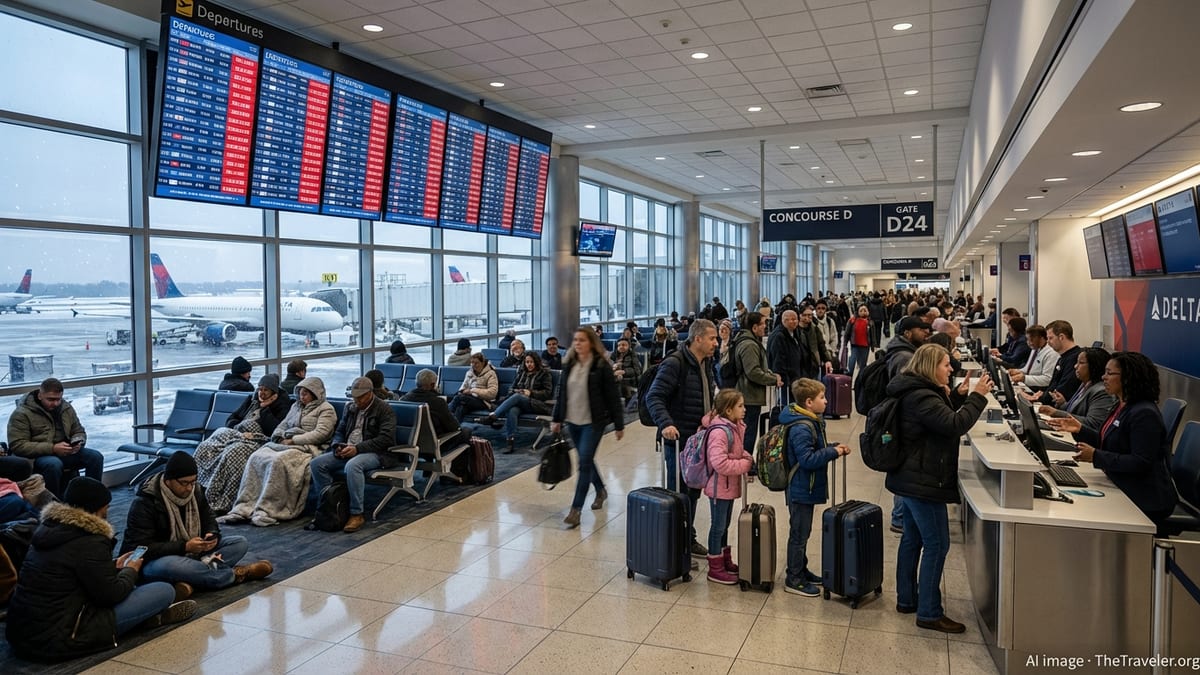
Storm Systems Target Key Hubs in Northeast and Gulf Coast
Weather models and aviation planning data indicate that two separate storm systems are driving today’s disruptions. In the Northeast, clusters of strong thunderstorms are moving through the busy I-95 corridor, affecting major hubs including New York City’s three airports, Boston, Philadelphia and Washington, D.C. According to industry coverage, similar setups earlier this summer have repeatedly prompted ground delay programs and diversions as lightning and low visibility force temporary halts to arrivals and departures.
Farther south, a tropical system over the Gulf of Mexico is generating bands of heavy rain and gusty winds along parts of the Gulf Coast, with impacts focused on airports in Louisiana, Mississippi and the Florida Panhandle. Publicly available advisory trackers show that this storm is not an extreme outlier for the season but is strong enough to slow or suspend operations at times, especially at smaller regional fields with limited runway and gate capacity.
Combined, the two systems are putting pressure on one of the world’s most congested air corridors at the same time that late-summer leisure and business travel remain elevated. Travel industry reporting notes that when storms affect multiple hub airports at once, delays can cascade across the national network, reaching far beyond the immediate weather zones as aircraft and crew rotations are thrown off schedule.
Airlines Roll Out Targeted Weather Waivers
Major U.S. carriers have responded by activating weather waivers designed to give affected passengers more flexibility. American Airlines’ current travel alert, for example, lists a cluster of Northeast and Mid-Atlantic airports where customers scheduled to fly on September 1 can change their plans without incurring standard change fees or fare differences, provided they rebook on near-term dates and keep to the same city pairs and cabin. The advisory applies to tickets purchased prior to August 31, underscoring that waivers are generally intended for existing bookings on specific dates rather than last-minute new reservations.
Other large carriers, including United Airlines and JetBlue, are also operating waiver programs tied to New York area thunderstorms and Gulf weather, according to automated waiver trackers and airline-facing bulletins. Recent posts summarizing United’s policies highlight that travelers with qualifying itineraries through New York City or affected Gulf Coast airports can move their trips to alternate days within a defined rebooking window, sometimes spanning several days around the storm, as long as they travel on the same airline and between the same cities.
Alaska Airlines and other national carriers regularly employ similar policies when East Coast or tropical weather threatens operations. Advisory pages show that these waivers frequently cover both departure and arrival points in the impact zone and may also extend to connecting cities if they sit along major storm tracks. For travelers, the practical takeaway is that checking the airline’s travel alert page or app before heading to the airport can reveal options to move a trip away from the worst of the disruption at no additional cost.
What Passengers Can Expect At the Airport Today
Operational planning advisories from the Federal Aviation Administration show that thunderstorms in the Northeast routinely lead to ground delay programs, reroutes and occasional ground stops when convective weather sits over arrival and departure paths. When those tools are in place, travelers can expect longer-than-usual taxi times, holds on the tarmac and last-minute changes to departure times as air traffic managers meter flows into constrained airspace.
Real-time information pages for major airports such as Newark Liberty, John F. Kennedy International and LaGuardia indicate that passengers are being urged to check directly with their airlines for the latest flight status updates. Because airline apps and text alerts sometimes lag behind fast-changing conditions, flight-tracking services and airport boards can provide an additional view of how widely delays and cancellations are spreading during storm peaks.
Inside terminals, these types of weather days often translate into longer security and customer service lines, crowded gate areas and limited same-day rebooking inventory on peak routes. Past coverage of similar events has documented how a morning wave of thunderstorms can ripple into the afternoon and evening, even after the most intense cells move offshore, as airlines work through backlogs and reposition aircraft and crews. Travelers with tight connections, especially through Northeast hubs, are particularly vulnerable to missed flights when storms constrain runway capacity.
Using Waivers and Basic Strategies to Minimize Disruption
With weather waivers in place, travelers who have not yet headed to the airport may be able to sidestep the worst of today’s disruptions. Publicly available guidance from airlines and consumer advocates suggests that the most effective use of a waiver is to rebook to an earlier or later day when storms are not forecast to be as intense, while retaining the same origin and destination to qualify for fee-free changes. Morning departures are often less exposed to afternoon thunderstorm patterns that commonly hit the Northeast and Gulf Coast during late summer.
Travel insurance and credit card trip interruption benefits can also play a supporting role when delays or cancellations trigger out-of-pocket costs such as hotels and meals. Several airline and insurer information pages emphasize that documentation is key; travelers should keep records of delay notifications, receipts and any written confirmation of cancellations to support later claims. However, even with coverage, passengers generally need to work through their airline first to explore rebooking options under any active waiver program.
For those who must travel today, experts routinely recommend building extra time into connections, traveling with carry-on luggage only where possible and monitoring both the airline’s app and independent trackers. Industry history this summer shows that when successive storm systems hit the Northeast and Gulf regions in close succession, it can take carriers multiple days to fully restore normal operations, making flexible planning and close monitoring especially important.
Outlook for the Remainder of the Week
Seasonal outlooks from federal forecasters have called for a below-normal Atlantic hurricane season overall in 2026, with a moderate number of named storms expected. Even so, recent weeks have underscored that a single slow-moving thunderstorm complex or tropical system can have outsized effects on air travel when it intersects with densely traveled corridors. Earlier August storms, for instance, led to hundreds of cancellations across New York area airports and similar, if shorter-lived, disruptions look possible as long as active storm clusters persist.
For the remainder of this week, travel industry reporting suggests that weather-related risk will remain elevated as the Gulf system continues its track and lingering moisture fuels additional showers and thunderstorms in the Northeast on subsequent days. While not every storm cell will prompt a formal waiver, airlines have shown a willingness this summer to issue targeted flexibility for specific cities and dates when forecasts turn more severe.
Passengers with upcoming trips through the affected regions may find it useful to monitor airline travel alert pages and National Weather Service forecasts daily, even if they are not flying today. The pattern of repeated waivers across July and August, particularly for East Coast thunderstorms and tropical disturbances, points to a travel environment where last-minute schedule shifts are increasingly common and proactive adjustments can make the difference between a manageable delay and an unplanned overnight stay.
Forbes: Airlines travel alerts and waivers for September 1, 2026
American Airlines official travel alerts