


More news on this day
A stranded traveler at New York’s LaGuardia Airport recently reported paying about $300 for an Uber ride, drawing fresh attention to how flight disruptions, airport congestion and dynamic pricing can quickly turn routine ground transport into an expensive ordeal for passengers.
Get the latest news straight to your inbox!
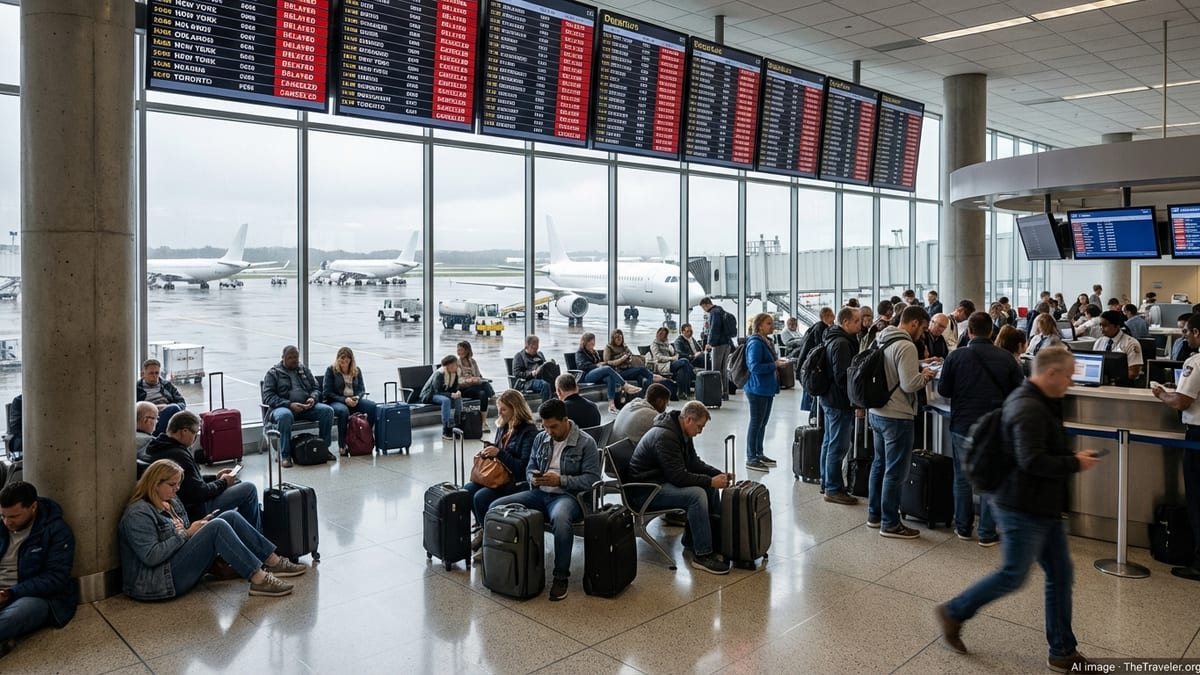
High Fares Meet High Stress at LaGuardia
Reports circulating on social media and traveler forums describe a passenger stuck at LaGuardia Airport after delays who ultimately turned to Uber and was presented with an estimated fare of roughly $300 for a ride into the New York area. While individual details vary across accounts, the figure aligns with other anecdotes of triple-digit prices during peak congestion periods around the airport.
Dynamic pricing used by ride hail platforms means that fares climb when demand is high and driver supply is tight, a situation that frequently arises at major hubs such as LaGuardia. Publicly available information indicates that during severe weather, mass delays or irregular operations, price increases can be substantial, particularly for longer journeys or premium services.
The incident underscores how limited options late at night or during large-scale disruption can pressure travelers into accepting high prices rather than risk being stranded. For visitors unfamiliar with the region or local public transit, the choice often narrows to either paying the quoted fare or remaining at the terminal for hours.
Similar complaints have appeared in online communities, where travelers describe final bills that far exceed typical off-peak rides between LaGuardia and Manhattan, which many riders report as usually under $100 in normal conditions. When disruptions ripple through flight schedules, those baseline expectations can quickly be overtaken by surge pricing.
How Ride-Hail Pricing Reaches the $300 Mark
According to information published by ride-hail companies, airport fares are calculated based on time, distance, demand and service tier. A long ride from LaGuardia into outer suburbs, combined with high demand and a premium vehicle category, can push prices well into the hundreds of dollars. When weather or air traffic problems concentrate arrivals into short windows, both wait times and prices can escalate.
Travel blogs and consumer reports have documented examples of LaGuardia passengers facing rapidly changing in-app quotes where a standard ride initially priced far lower climbs sharply by the time the traveler is ready to book. Some creators on TikTok and other platforms have responded by sharing tactics to avoid airport surge pricing, such as walking or shuttling to nearby hotels or transit stops to request a ride from outside the official pickup zone.
Uber and other providers publicly state that dynamic pricing is intended to attract more drivers to areas with strong demand, theoretically restoring balance between supply and need. For passengers confronted with a $300 estimate after a stressful day of disruptions, the mechanism can feel punitive, even when it reflects underlying congestion and distance.
Consumer advocates often advise passengers to screenshot price estimates, compare categories, and check for any additional fees before confirming. Some riders have reported that switching between different service tiers or waiting a short period can significantly change the quoted price, although there is no guarantee that waiting will produce a lower fare during widespread disruption.
Official Guidance on Ground Transport at LaGuardia
LaGuardia Airport publishes guidance emphasizing that travelers should use authorized transportation only and follow signage from the terminal to designated areas for taxis and app-based rides. Public information from the airport notes that Uber and Lyft are among the licensed ride-share providers serving official pickup zones, and that fares fluctuate with destination and time of day.
Port Authority advisories and New York City Taxi and Limousine Commission materials also warn passengers about individuals who approach travelers inside terminals or at baggage claim offering rides for cash or quoting flat prices that can reach several hundred dollars even for relatively short distances. Online accounts from passengers describe being quoted sums comparable to or higher than $300 for off-app trips, with little recourse once the ride has begun and no standardized meter or receipt.
For travelers who prefer not to rely on ride-hail services, LaGuardia is connected to the city’s broader network through buses that link to the subway and Long Island Rail Road, as well as metered yellow taxis and, on some routes, fixed-fare shuttles and private car services that can be reserved in advance. These options can reduce uncertainty about price, though they may involve transfers or longer overall journey times.
Publicly available fare schedules show that regulated taxi and bus services typically cost far less than a $300 ride, but they are more vulnerable to crowding and delays during peak travel periods or severe weather. For that reason, travelers who anticipate arriving late at night or during holidays are often encouraged by consumer guides to plan backup ground-transport options in advance.
Travelers Share Strategies to Avoid Costly Surprises
The LaGuardia passenger’s reported $300 Uber bill has added to a growing body of traveler advice focused on managing ground-transport costs from congested airports. Frequent flyers contributing to blogs, social media and forums often recommend checking several options before booking, including yellow taxis, app-based rides, shared shuttles and public transit, then weighing price against time and comfort.
Some travelers suggest monitoring ride-hail prices from the gate area before landing, when possible, to establish a baseline and gauge whether surge pricing is in effect. Others highlight that hotel shuttles, where available, can be used to reach a nearby location with lower demand, potentially producing a more moderate ride-hail fare, though airport and hotel policies vary and travelers are encouraged to review terms carefully.
Budget-conscious passengers also stress the importance of checking whether itineraries include late-night arrivals or connections to regional airports, since those factors increase the likelihood of facing limited transport choices and expensive last-minute rides. Booking lodging closer to the airport, even for one night, is sometimes presented as a trade-off that can avoid very high ground-transport costs after widespread delays.
While not every traveler will encounter a three-hundred-dollar fare, the LaGuardia case illustrates how quickly prices can climb when factors such as distance, demand and limited alternatives converge. For visitors arriving in unfamiliar cities, preparing a short list of vetted options and rough price expectations in advance can reduce the risk of sticker shock at the curb.
What the $300 Ride Says About Airport Travel in 2026
The episode at LaGuardia comes amid broader scrutiny of the cost and reliability of end-to-end air travel. In recent months, viral clips have highlighted everything from multi-hour security lines and diverted flights to unconventional ground services replacing short-haul routes, underscoring how unpredictable journeys have become.
As airlines, airports and ground-transport providers continue to rely on flexible pricing and staffing models, passengers bear more responsibility for monitoring real-time conditions and adjusting plans. The reported $300 Uber fare reflects not only one traveler’s misfortune but also a system in which routine disruptions can rapidly translate into sharply higher out-of-pocket expenses.
Travel industry analysts note that transparency in pricing, clear guidance on authorized services and better integration between flight information and ground-transport options could help reduce the likelihood that stranded passengers feel compelled to accept extreme fares. Until such changes become widespread, incidents like the LaGuardia traveler’s costly ride are likely to continue serving as cautionary tales for others planning trips through busy hubs.
For now, the story serves as a reminder that the final leg from airport to destination can be one of the most financially unpredictable parts of a journey, particularly when delays or cancellations leave passengers stranded and searching for any way out of the terminal.