


More news on this day
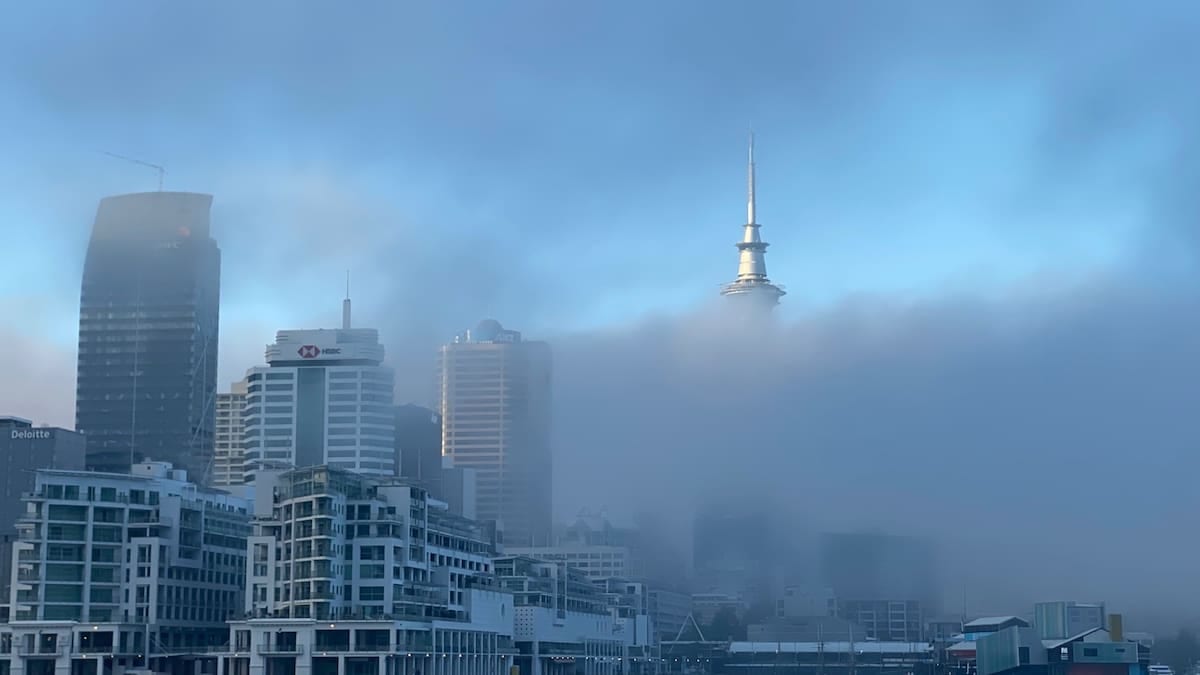
A thick blanket of early morning fog forced a temporary ground stop at Ronald Reagan Washington National Airport on Monday, disrupting flights at one of the nation’s busiest holiday gateways and adding fresh strain to an already weather-affected Memorial Day travel period.
Get the latest news straight to your inbox!
Low Visibility Brings Operations to a Halt
Publicly available aviation data shows that flight operations into and out of Reagan National were paused after visibility and cloud ceilings fell below typical approach minimums, prompting a ground stop for inbound traffic and significant holds for departing flights. The disruption unfolded as dense fog formed along the Potomac River corridor, reducing pilots’ ability to see the runway environment during critical phases of flight.
Federal aviation status boards for Ronald Reagan Washington National Airport indicated low ceilings and fog in the early morning, conditions that can quickly overwhelm normal spacing between arrivals and departures. When visibility deteriorates, controllers must increase the separation between aircraft, sharply reducing the number of flights that can safely land or take off each hour.
Under standard procedures, a ground stop is used to meter demand at congested or weather-affected airports by halting or restricting flights before they depart for the affected destination. For Reagan National, that meant flights bound for Washington were held at origin airports across the East Coast while crews at DCA waited for conditions to improve sufficiently to resume safe operations.
Travelers Confront Delays at the Start of a Busy Holiday
The timing of the fog-driven halt layered new disruption on top of a busy Memorial Day travel weekend that was already seeing weather challenges around the country. Flight-tracking dashboards showed clusters of delayed departures and arrivals into the Washington region, with Reagan National among the airports experiencing cascading schedules as carriers moved aircraft and crews through the system.
Passengers scheduled on early morning departures from DCA reported extended waits at gates and on parked aircraft as airlines held flights pending updates from air traffic managers. Those traveling to Washington from other cities saw departure times pushed back as ground stop programs limited the number of flights allowed to take off toward the capital until visibility stabilized.
Even after a ground stop is lifted, delays can persist for hours as airlines work through a backlog of flights. Aircraft and crews may be out of position, and arriving planes can quickly fill available gates, slowing the turn times needed to get outbound flights airborne again. For travelers with tight connections through the Washington area, the morning’s fog significantly raised the risk of missed onward flights and disrupted itineraries.
How Fog Disrupts an Already Constrained Airport
Reagan National’s location on the Virginia side of the Potomac and its relatively short runways make it particularly sensitive to low clouds, fog and shifting wind patterns. Aviation reference materials note that approach and departure paths are tightly constrained by airspace, river corridors and security restrictions around central Washington, leaving less flexibility to reconfigure traffic flows when weather deteriorates.
Fog events at Reagan typically develop when moist air settles over the river and adjacent low-lying areas during calm, humid conditions. When that happens, visual cues on approach can disappear, and the vertical cloud ceiling can drop to levels that challenge both pilots and navigation systems. While modern aircraft are equipped with advanced instruments to handle low-visibility conditions, airport capacity still shrinks markedly when controllers must rely on more conservative spacing standards.
Recent publicly discussed safety initiatives around DCA, prompted in part by earlier incidents in the region, have put additional scrutiny on how traffic is managed in complex weather. In that context, observers note that decision makers are more inclined to use aggressive traffic management tools such as ground stops and ground delays when fog and low ceilings coincide with peak travel periods.
Ripple Effects Across the National Airspace System
Disruptions at Reagan National tend to spread quickly across the broader air travel network. The airport serves as a key hub for domestic traffic along the East Coast, and its tightly scheduled banks of arrivals and departures are designed around narrow slot allocations and perimeter rules that limit long-haul flying. When a ground stop interrupts that cadence, the effects often extend to airports from New England to the Southeast.
Operations data for Monday showed weather-related constraints at several large hubs, including low ceilings and rain in parts of the Northeast. With Reagan National adding a ground stop tied to fog, airlines faced additional complexity in repositioning aircraft and maintaining regular service. Flights that might otherwise have been rerouted through Washington were instead redirected to alternate hubs, increasing pressure on those facilities.
Travel analysts note that when multiple weather systems converge over the eastern United States, the national airspace system can quickly become saturated. Ground stops at key nodes such as Reagan National are intended to preserve safety and prevent airborne holding, but they also temporarily reduce overall capacity, contributing to rolling delays that can last well into the day even after the original weather trigger has passed.
What Passengers Can Expect as Conditions Improve
As the fog gradually lifts and visibility improves, publicly available updates typically show ground stops transitioning into less restrictive programs that allow a controlled flow of traffic back into the airport. Airlines then work down the queue of delayed flights, prioritizing those with the longest waits, the most connecting passengers, or limited alternative options.
Industry guidance suggests that travelers affected by a fog-related ground stop should be prepared for schedule changes throughout the day as carriers rebalance their operations. Same-day rebooking may be possible in some cases, but heavily booked holiday flights leave little slack in the system. Passengers are often advised to monitor their airline’s digital channels closely and to anticipate that gate assignments and departure times may shift repeatedly as crews and aircraft become available.
For the Washington region, the early morning fog at Reagan National served as a reminder of how quickly local weather can upend even carefully planned holiday travel. While the use of ground stops is designed to maintain safety during the worst visibility, the operational and human impacts extend well beyond the period when the airport briefly falls silent.