


More news on this day
Stormy weather across key U.S. hubs and sharply higher travel costs are converging this Memorial Day weekend, creating a bumpy start to the summer air travel season for millions of passengers.
Get the latest news straight to your inbox!
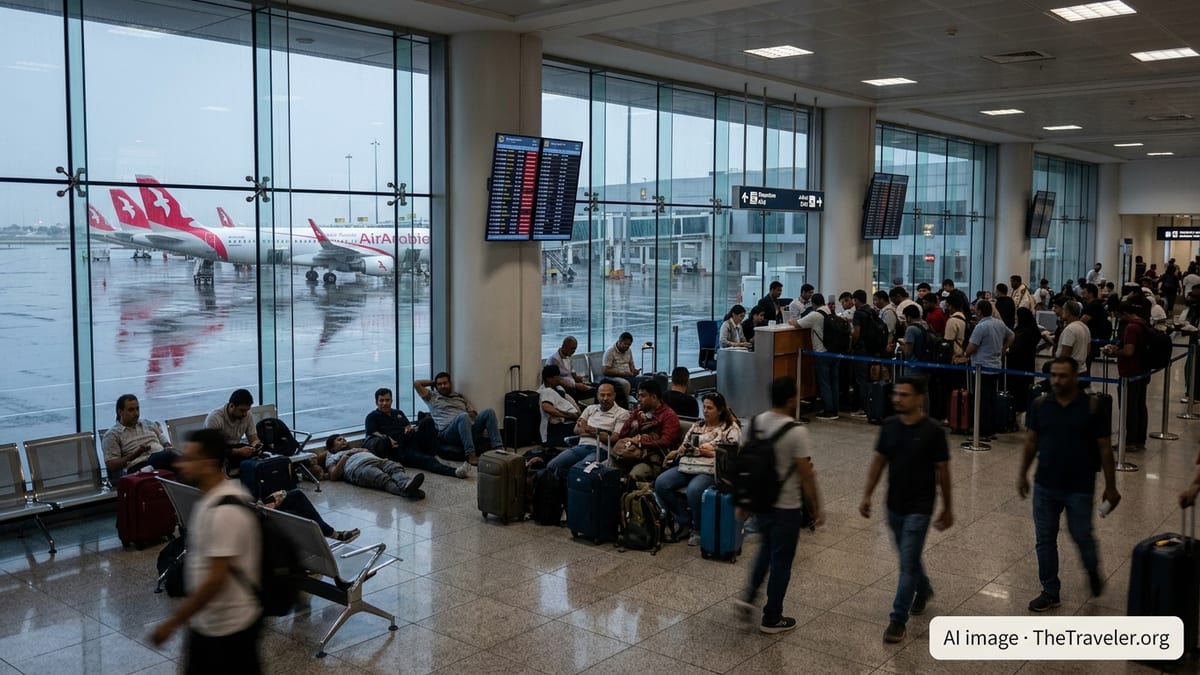
Storm systems trigger fresh round of flight disruptions
Thunderstorms and heavy rain around major hubs are again proving to be a weak point in the U.S. aviation system, with Memorial Day flyers facing thousands of delays and cancellations. Publicly available flight tracking data and industry roundups indicate that more than 17,000 flights have been delayed or canceled across the long weekend, echoing the scale of earlier weather-related meltdowns this year.
Congested airspace around New York, Atlanta, Chicago and Dallas has been particularly vulnerable when convective storms build in the afternoons and evenings. Reports indicate that ground stops and reroutes ordered for safety can quickly ripple through already full schedules, leaving aircraft and crews out of position for later departures.
Federal data and past performance analyses consistently show that weather is the single largest cause of flight disruptions in the United States. This Memorial Day weekend is reinforcing that pattern, as storms interact with near record passenger volumes and tight airline staffing to magnify relatively routine weather events into daylong delays for many travelers.
In some regions, severe weather is forecast to linger into Monday, raising the prospect that recovery operations could stretch into the workweek. Airlines have been encouraging customers to monitor flight status closely and to make use of fee-free rebooking waivers where they are offered.
Record passenger volumes collide with strained infrastructure
The weather setbacks are arriving just as Memorial Day travel demand reaches new highs. Recent forecasts from travel organizations suggest that roughly 45 million Americans are traveling 50 miles or more over the holiday, including tens of millions passing through airports. Transportation Security Administration projections and airport briefings point to passenger volumes at or above last year’s records at many large hubs.
Denver International Airport, for example, expects hundreds of thousands of passengers to pass through security between Thursday and Tuesday, only slightly below its 2025 peak. Similar patterns are reported at other major gateways where airlines have added seats in anticipation of a robust summer season.
The combination of full flights and limited slack in the system means even modest disruptions can have outsized consequences. When thunderstorms force temporary shutdowns of arrival and departure corridors, there are fewer empty seats available later in the day to accommodate stranded passengers. As a result, travelers affected by early storms can find themselves rebooked well into the next day, especially on popular leisure routes.
Aviation analysts note that while carriers rebuilt capacity significantly after the pandemic slump, investments in air traffic control staffing and airport infrastructure have lagged. That imbalance leaves the network more sensitive to weather-related interruptions just as demand is surging into the peak travel period.
Airfares, fuel and fees push holiday costs higher
Alongside operational headaches, many Memorial Day flyers are grappling with noticeably higher prices. Consumer price data and travel industry research show that U.S. airfares in April and May 2026 are up roughly 20 percent compared with a year earlier, reversing some of the discounting seen in 2024 and 2025.
Analysts point to a sharp spike in jet fuel prices following recent geopolitical tensions in the Middle East. Aviation research firms tracking fuel markets report that the average price paid by airlines at major U.S. hubs has climbed by well over 50 percent since early spring, significantly increasing operating costs. With fuel historically representing about one third of airline expenses, carriers have limited scope to absorb such increases without raising fares.
Higher headline ticket prices are only part of the story. Travel price trackers highlight that checked bag fees, seat selection charges and change penalties have risen across several major airlines in recent months. Public filings and media coverage show that some carriers lifted the cost of a first checked bag into the mid-40 dollar range, while popular extra legroom seats and early boarding options have also become more expensive.
When combined with elevated hotel, car rental and dining costs, the result is a form of “vacation inflation” that is especially acute over holiday weekends. Budget-conscious travelers heading to traditional Memorial Day destinations are reporting that total trip costs are significantly above last year, even when base airfares appear similar at first glance.
Travelers adjust plans in response to price pressure
The run up in costs is beginning to reshape how some Americans approach the unofficial start of summer. Surveys of consumer travel intentions and anecdotal reporting suggest more households are shortening trips, choosing destinations closer to home or trimming discretionary spending on activities to offset higher transportation and lodging bills.
Some travelers are shifting from long haul flights to regional getaways reachable on shorter, cheaper routes, or opting for fewer checked bags and tighter schedules to stay within budget. Others are leaning more heavily on fare alerts and flexible date searches to find pockets of lower pricing in early June or later in the season, beyond the Memorial Day peak.
Industry research also points to earlier booking patterns as travelers try to lock in acceptable prices before further increases. However, the current environment of volatile fuel costs and strong demand has made it harder to predict when the best deals will appear, leaving many unsure whether buying early or waiting will ultimately save money.
For airlines, these shifts are contributing to a more complex revenue picture. Strong demand over headline holiday dates supports higher fares, but growing sensitivity to total trip costs may encourage some travelers to fly less often or trade down to lower cost carriers, particularly outside peak weekends.
What Memorial Day disruptions signal for the summer ahead
The mix of weather-related delays, record traffic and rising prices on display this Memorial Day weekend is widely seen as an early preview of the broader 2026 summer travel season. Industry outlooks from banks and travel associations forecast resilient overall demand for flights in June, July and August, but also warn that operational resilience will be tested if severe weather or infrastructure constraints persist.
Analysts observing the Memorial Day performance note that the system remains capable of handling near record volumes when conditions are benign, yet struggles when storms or staffing challenges reduce available capacity. Without significant improvements in air traffic control staffing and airport throughput, similar patterns of rolling delays could recur around the July 4 and Labor Day holidays.
From a consumer standpoint, the weekend underscores the importance of planning for both cost and disruption risk. Travel experts frequently recommend booking earlier flights in the day, avoiding tight connections at storm prone hubs and building flexibility into itineraries during the peak summer period.
For now, Memorial Day flyers are serving as a real time stress test of how U.S. aviation copes with the combination of volatile weather and higher costs. The outcome may influence not only how airlines schedule and price the rest of the season, but also how travelers choose to take to the skies in the months ahead.