


More news on this day
A freight train derailment in Mesa has closed a heavily used stretch of roadway, creating significant delays for drivers and transit users as crews move in to stabilize cars, clear wreckage and evaluate potential damage to nearby infrastructure.
Get the latest news straight to your inbox!
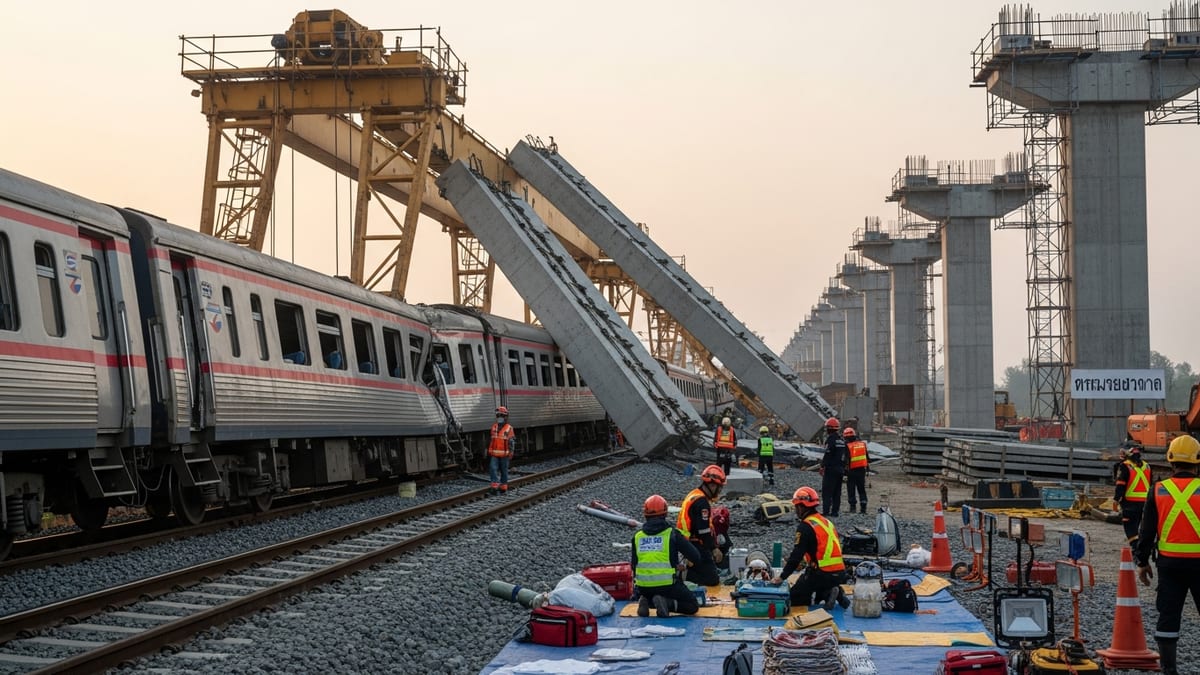
Derailment blocks busy corridor in Mesa
Initial reports indicate the derailment occurred where freight tracks run close to a major surface street in Mesa, forcing the shutdown of a key east valley commuting route. Photos and video from the scene show several rail cars off the tracks and angled across an at-grade crossing, with concrete barriers and police tape blocking traffic in both directions.
Publicly available traffic information for the area shows heavy backups on parallel arterials as drivers attempt to divert around the closure. Signal timing changes and temporary turn restrictions are being used on nearby intersections to manage the sudden shift in traffic volumes.
Early accounts from the scene describe derailed cars remaining largely upright but leaning at sharp angles, creating a complex recovery challenge. Specialized heavy equipment has been brought in to re-rail the cars or dismantle them piece by piece before the track and crossing can be reopened.
According to published coverage of similar incidents around the country, closures after freight derailments near busy roads can last from several hours to several days depending on the extent of track damage and the complexity of the cargo involved.
What is known about the train and cargo
Based on images and local reporting, the train involved appears to be a mixed-freight consist operating on a regional main line used to move goods across the Phoenix metro area. Rail industry data show that such trains typically haul a blend of intermodal containers, boxcars and tank or hopper cars through the East Valley.
As of the latest updates, there are no indications of a large fire or smoke plume, a sign that the cars involved may not have included highly flammable cargo at the point of derailment. In other recent derailments that involved hazardous materials, visible fire or vapor clouds were apparent shortly after cars left the tracks, prompting wider road closures and shelter-in-place recommendations for nearby neighborhoods.
Railroad incident records maintained by federal regulators show that many urban derailments are mechanical or track-related and do not result in significant releases of hazardous materials. Even so, responders typically treat any freight derailment near a populated corridor cautiously until cargo lists are verified and each affected car is visually inspected.
Published information on past incidents in Arizona indicates that railroads and contractors often divide the job into distinct phases: stabilizing cars, confirming cargo status, removing derailed equipment and then rebuilding or resurfacing the track and crossing panels that vehicles use to traverse the rails.
Traffic detours and local travel impacts
The derailment is causing noticeable disruption for Mesa drivers using neighborhood streets as impromptu detours. Commuters are reporting heavier-than-normal volumes on parallel east–west routes and longer waits at signalized intersections as traffic that would normally funnel through a single crossing disperses across the local grid.
Travel apps and regional traffic maps show congestion stretching for several blocks on approaches to the closed road, especially during the morning and late-afternoon peaks. Turning movements near the railway corridor are constrained by temporary barriers and emergency vehicles, creating a series of localized bottlenecks that ripple out across the immediate area.
Bus riders are also experiencing knock-on delays where routes intersect the closed road. According to public transit service alerts issued during previous rail-related closures in Mesa and neighboring cities, agencies typically respond by short-turning some trips, rerouting others to nearby streets and accepting transfers outside normal locations to keep passengers moving.
For travelers headed to Phoenix Sky Harbor International Airport or other regional destinations, the closure adds another variable to already complex East Valley traffic patterns. Transportation planners often recommend adding extra time, using freeways where possible and checking real-time traffic tools throughout the day whenever a major surface route is blocked.
Safety checks and investigation work ahead
Once the immediate cleanup is complete, railroad and federal safety personnel are expected to focus on what caused the train to leave the tracks along an otherwise routine stretch of line. Investigations into similar incidents have examined a range of factors, including rail wear, track geometry, underlying ballast conditions, equipment defects and train handling practices.
Research published by the Federal Railroad Administration and academic institutions notes that even small defects in rail or support structures can evolve into failures under repeated heavy loads, especially on hotter days when steel and concrete expand and track components are under additional stress. Modern inspection regimes use a mix of visual checks, track geometry cars and ultrasonic rail testing to identify problems before they lead to a derailment.
In urban locations where tracks intersect busy roads, investigators also commonly review signal and crossing equipment performance, data from locomotive event recorders and any available video from the train and nearby traffic cameras. Those sources can help determine the exact sequence of events and whether speed, braking, track conditions or other variables played a role.
Findings from previous derailments in Arizona and other states have led to follow-up measures such as targeted tie replacement, bridge and roadbed repairs, slower speed limits through curves or crossings, and schedule adjustments to reduce conflicting movements with other trains or roadway traffic.
What travelers can expect in the coming days
Based on the pattern of past freight derailments that affected major roads, Mesa travelers should be prepared for an extended period of intermittent disruption even after the full closure is lifted. Once tracks are repaired and the crossing is structurally sound, temporary lane reductions, reduced speed limits and short-term nighttime closures are common while crews complete final surfacing and signal work.
Drivers who depend on the affected corridor may find it useful to identify one or two alternate routes that avoid rail crossings entirely, particularly during the evening rush. Regional experience with freeway crashes, rail incidents and large construction projects shows that dispersing traffic across multiple arterials tends to reduce the severity of backups on any single street.
For those using ride-hailing services or airport shuttles, dispatchers often adjust pickup times and routing when a primary road is taken out of service. Travelers heading to flights or intercity buses may want to confirm their pickup details and allow additional buffer time while the derailment site remains active.
Residents and visitors can expect ongoing noise and activity around the scene as heavy machinery operates to remove damaged railcars and rebuild the right-of-way. In many comparable cases, cleanup and full restoration of normal traffic flow can take several days, even where the derailment did not cause major structural damage to bridges or adjacent infrastructure.