


More news on this day
TrainPal is highlighting a major update to Britain’s rail ticket refund rules that took effect in spring 2026, framing the change as a reset that prioritizes passengers who are genuinely stranded by disruption while tightening the scope for discretionary refunds once a ticket becomes valid for travel.
Get the latest news straight to your inbox!
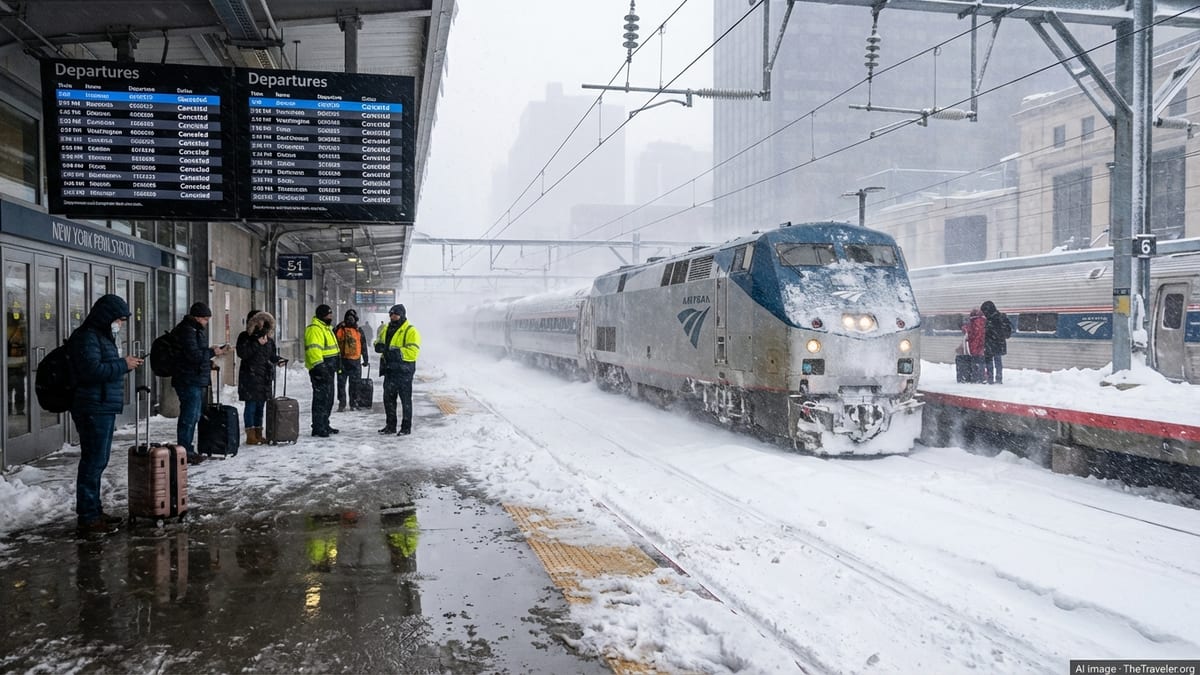
What changed in Britain’s rail refund rules
Publicly available National Rail guidance shows that updated National Rail Conditions of Travel came into force on April 1, 2026, alongside revised refund terms for some flexible tickets. In practical terms, the update narrows when certain walk-up tickets can be refunded after they become valid for travel, while keeping disruption protections in place for passengers who cannot travel due to delays, cancellations, or rescheduling.
National Rail’s consumer guidance also emphasizes a point that matters in real-world disruption: if a train is delayed or cancelled and a passenger chooses not to travel, the unused ticket can be refunded without fees by the original retailer that sold the ticket. That distinction means the place you bought the ticket is usually the first stop for a refund request, whether the purchase was made from a train company, a station ticket office, or a third-party app.
Separately, National Rail explains that Delay Repay remains a compensation route when a passenger does travel but arrives late. That separation between a “refund for non-travel due to disruption” and “compensation for a completed but delayed journey” is central to how passengers should decide what to claim.
Why TrainPal says the update puts stranded passengers first
TrainPal’s public-facing refund and change pages describe processes designed to help customers who are disrupted on the day, including app-based refund requests, guidance on what evidence may be needed in edge cases, and a support channel within the app. Its published FAQs also reflect the April 2026 timing, noting that certain ticket types are typically refundable only if the request is made before 23:59 the day prior to travel, with disruption remaining a separate basis for a fee-free claim under National Rail rules.
The company’s stance effectively mirrors the logic behind the industry’s spring 2026 update: disruption-related claims should remain protected, while discretionary “change of mind” refunds after validity begins should be harder to misuse. Rail Delivery Group’s media factsheet on the change describes it as a step intended to curb refund abuse that industry analysis estimates at around £40 million a year, and places it within wider efforts to tackle fare evasion.
For passengers, the immediate impact is less about fine print and more about timing: for many flexible tickets bought on or after April 1, 2026, refundability depends on whether the ticket has become valid for travel and whether the reason for non-use relates to a service failure rather than a personal decision. TrainPal’s messaging centers on helping customers navigate that line quickly when disruption hits.
How to act fast when disruption leaves you stuck
When services break down, speed and documentation matter. National Rail’s guidance points passengers to the original retailer for a fee-free refund when a train is delayed, cancelled, or rescheduled and the passenger does not travel or cannot complete the journey. For TrainPal customers, that means initiating the request through the app or website rather than starting with the train operator’s retail site.
TrainPal’s published help content also points passengers who are still at a station and facing ticket-collection or scanning issues toward immediate, practical steps, including seeking help from a ticket office where available. For unattended stations, TrainPal’s FAQs indicate it may ask for supporting evidence such as a photo of a ticket machine error or a failed scan message, then instructs customers to repurchase in-app and submit a refund request for review.
In strike-related scenarios, TrainPal’s recently updated guide draws a clear line between refund eligibility and compensation: a refund typically applies if a service is cancelled or the passenger chooses not to travel due to the disruption, while Delay Repay applies when travel happens but delays follow. The same guide cautions passengers to check service status close to departure time, since strike timetables can shift at short notice and a processed refund can invalidate the original ticket.
Beyond the UK: disruption rights are tightening across Europe, too
The United Kingdom’s 2026 refund tightening arrives as Europe continues to sharpen passenger protections for disrupted journeys. European Commission materials summarizing the rail passenger rights regulation highlight a “self-rerouting” right in disruption cases: if a passenger has not been offered a way to continue within 100 minutes, the passenger can organize alternative travel by rail or bus and seek reimbursement for necessary, appropriate, and reasonable costs.
For travelers comparing rail platforms and itineraries, these rules are more than policy. They influence how retailers present rebooking options, when passengers can switch to alternative operators or modes, and how quickly a claim needs to be filed. They also underscore why apps like TrainPal have been investing in disruption guidance, customer support pathways, and clearer refund workflows, because the first minutes after a cancellation often determine whether a journey continues or collapses.
Even with stronger rights on paper, the burden frequently sits with passengers to choose the right route to resolution: refund versus compensation, retailer versus operator, and evidence versus none. The April 2026 shift effectively raises the stakes for getting that first decision right, especially for flexible tickets once they are valid for travel.
What to watch next for passengers using booking apps
The new rules have also increased scrutiny on how ticket retailers explain conditions at purchase and during disruption. Office of Rail and Road guidance on rail retailing stresses that access to relevant, accurate, complete, and timely information at the retail stage is a legal requirement and a key part of informed decision-making. That focus aligns with the broader industry direction: fewer ambiguous refunds, clearer ticket conditions, and more standardized handling when services fail.
In the near term, passengers should expect more prominent prompts about refund cutoffs and stronger nudges to decide before the ticket becomes valid for travel, particularly for Off-Peak and other flexible products that used to be more routinely refundable after validity began. At the same time, National Rail’s disruption guidance continues to emphasize fee-free refunds for passengers who are genuinely unable to travel due to cancellations, delays, or rescheduling, with the original retailer acting as the gateway for that claim.
For TrainPal users, the practical takeaway is straightforward: keep booking references accessible, start claims in the app if that is where you bought the ticket, and distinguish early between a refund for non-travel and Delay Repay for a delayed arrival. The spring 2026 rail change may have narrowed discretionary refunds, but the core disruption protections remain a central promise, and TrainPal is positioning its tools around making those protections easier to use when passengers are stranded.