


More news on this day
Late summer is bringing an unusual mix of safety alerts, roadside changes and school calendar pressure points that together are reshaping how and when travelers move across parts of the United States.
Get the latest news straight to your inbox!
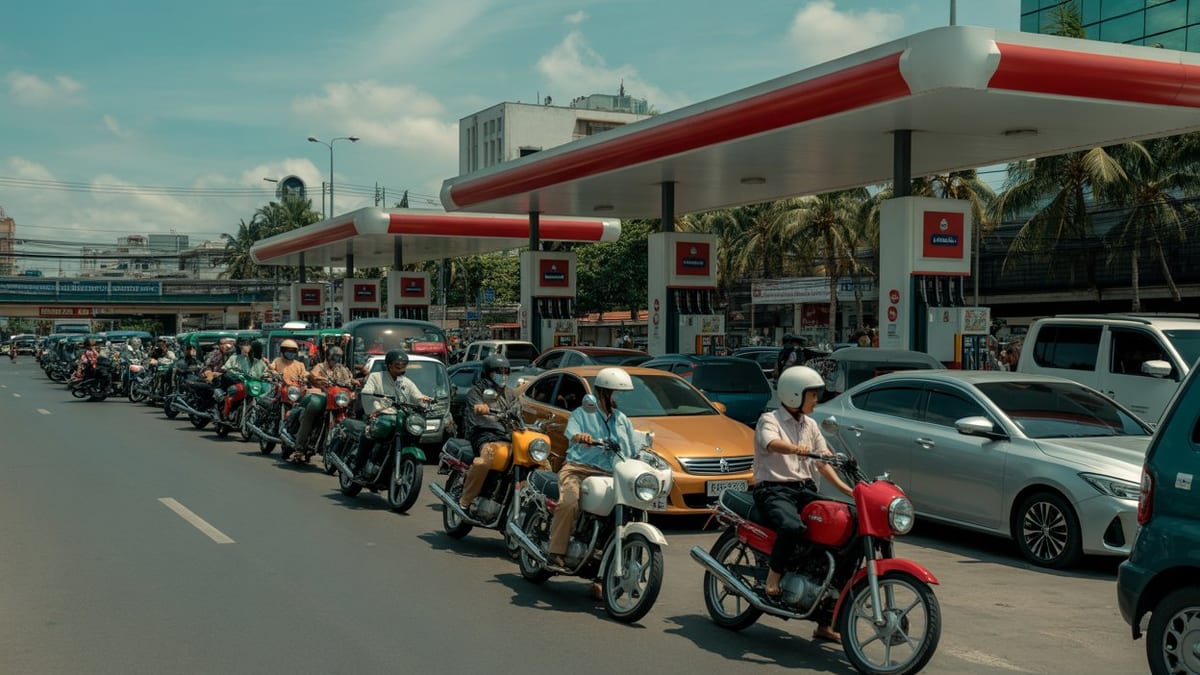
Structure Fire Highlights Risks Around Mixed-Use Corridors
Recent incident reporting from state emergency management agencies points to the continued risk of large structure fires in densely developed commercial corridors where fuel infrastructure sits close to offices, apartments and roadside businesses. In one late June case in Pennsylvania, a six-alarm fire in a multi-story building prompted precautionary action at nearby gas infrastructure, underscoring how quickly a local emergency can ripple into traffic disruption, short-term detours and uncertainty for motorists in peak summer travel season.
Publicly available documents indicate that utility teams in that incident moved to shut off gas service in the vicinity while fire crews worked to contain the blaze. Even though the fire was limited to the primary building, the concentration of power lines, gas connections and commercial frontage along a busy corridor meant surrounding blocks experienced closures and congestion for hours. For travelers, that translated into rerouted navigation apps, delayed arrival times and, in some cases, missed connections to regional bus and rail links.
While such large-scale events remain relatively rare, emergency summaries for summer 2026 show that multi-alarm structure fires are not limited to industrial zones. Mixed-use districts where restaurants, residences and fuel infrastructure share the same blocks can face cascading impacts when a single building catches fire. For road-trippers relying on a specific gas station or convenience store as a planned stop, this can mean unplanned stretches without refueling options and a scramble to find alternative services.
Travel and risk specialists often recommend that drivers crossing unfamiliar metro areas build more redundancy into their plans during peak fire weather, mapping more than one fuel or food stop and keeping a greater buffer in the tank. In regions where older buildings sit close to major highways or where utility work is ongoing, the likelihood of partial closures following a fire can be higher, turning what appears to be a hyper-local emergency into a wider disruption for through-travelers.
Local Gas Stations Quietly Shift Brands
Alongside safety questions, late summer motorists may notice another subtle but widespread change on the roadside: familiar fuel brands swapping out signage almost overnight. Across several U.S. metro areas, individual station owners continue to re-sign their forecourts under new brands, often as part of routine supply agreements rather than headline-making corporate mergers. Local observers in regions from the Midwest to the Southwest have reported formerly independent or lesser-known outlets taking on major logos, while other stations trade one national brand for another.
Industry histories show that these kinds of rebrands are a long-running feature of the North American fuel market, as large refiners and distributors periodically consolidate networks or adjust which trademarks they emphasize. Earlier cycles involved high-profile conversions of legacy names into newer brands, while the current wave is more incremental, occurring one corner lot at a time. For drivers, the change can be as simple as a new color scheme and loyalty program, but for neighborhoods it can alter price dynamics, traffic patterns and even perceptions of safety at a given intersection.
Recent online discussions from cities including Las Vegas and smaller regional hubs describe independent operators switching to large brands like Shell or 76, sometimes keeping older signage and pump decals in place for weeks during the transition. Travelers arriving on long drives can encounter a station whose canopy, pumps and price board blend elements of multiple brands, adding a moment of confusion for those specifically seeking a loyalty discount, particular fuel formulation or electric vehicle charging partner.
For trip planning, the gradual rebrand trend means that navigation apps and in-car fuel finders may lag behind on naming and logo changes. A station that appears in search results under one brand may in reality have already shifted to another. Road travelers who depend on a specific fuel network card or membership points may benefit from calling ahead to confirm acceptance or building flexibility into where they stop, especially in secondary markets where a single rebranded station can represent the only national chain for many miles.
Back-to-School Season Narrows the Travel Window
As August progresses, the back-to-school calendar is exerting more influence over when and how families travel. Major retail and consumer surveys for 2026 indicate that parents are entering the season with higher budgets but tighter time constraints, with many reporting that they are pushing school shopping closer to the first day of class while still juggling late-summer trips. Research from large consultancies and retail analysts suggests that overall planned spending per child has risen compared with 2025, even as families remain cautious about discretionary purchases.
Across multiple reports, families describe treating back-to-school as a non-negotiable expense that competes directly with summer vacations. Studies from organizations such as KPMG, Deloitte and JLL point to average per-child spending figures ranging from the low $200s for basic supplies to nearly $500 when clothing and electronics are included, with some analyses of all-in seasonal costs placing the burden much higher once childcare, sports and extracurriculars are factored in. For many households, that means trading long-haul trips for shorter getaways within driving distance of home or embracing staycations that still feel special to children.
Travel behavior surveys show that a meaningful share of U.S. parents are adjusting their itineraries to match school district calendars and budget pressures. Some families reported in mid-2026 that they are starting back-to-school shopping earlier to spread costs over more pay cycles, which can compress the window for late August travel. Others are leveraging online deals and flexible work schedules to slip in brief off-peak trips just before classes resume, favoring destinations reachable in a single day’s drive and accommodations that allow for home-style meal preparation to offset restaurant spending.
For destinations that rely on family visitors, this pattern can create a pronounced surge followed by an abrupt drop-off as buses roll and college move-ins conclude. Beach towns, lake communities and theme-park-adjacent suburbs see their final summer crowds giving way to quieter midweek occupancy, while mountain and city destinations prepare for a different mix of travelers: childfree couples, remote workers and international visitors less bound by U.S. school timetables.
Shoulder Season Opens for Flexible Travelers
The flip side of the back-to-school rush is a growing appreciation of the so-called shoulder season, the period immediately after most U.S. students return to classrooms. Travel trend reports and informal traveler discussions alike describe increasing interest in late August and September trips among people without school-age children, retirees and remote workers. With families back home, these travelers encounter thinner crowds, shorter wait times at attractions and, in many cases, more competitive room rates and airfares.
Recent commentary shared on major travel forums and social platforms highlights how travelers are deliberately timing European city breaks, national park visits and cruises to avoid school holidays. Some report taking advantage of quieter ships and less crowded trails once peak family demand subsides, while still enjoying warm weather in many destinations. These anecdotal accounts line up with broader industry analyses that point to growing off-peak demand as travelers look for better value and less congestion.
For tourism boards and hospitality providers, this evolving pattern presents both challenges and opportunities. Marketing teams are increasingly positioning late summer and early fall as a time for “meaningful travel,” leaning into themes identified in trendcasts from large travel platforms, such as active outdoor experiences and trips shaped by personal interests rather than school schedules. Hotels and vacation rentals in family-heavy markets may roll out targeted midweek specials aimed at remote workers or couples, while attractions refine hours to reflect the pivot from kid-centered programming to adult-focused events.
Travelers who can take advantage of shoulder season conditions are often advised to remain mindful of localized issues such as wildfire risk, hurricane season in coastal regions and heat advisories in parts of the Sun Belt. The same structural fires, storms and infrastructure disruptions that can affect mid-summer trips may remain a factor into September, particularly in mixed-use corridors where a single incident can ripple across road networks and fuel availability.
Practical Takeaways for Late-Summer Trips
Together, the recent structure fire example, ongoing gas station rebrands and shifting back-to-school dynamics create a late-summer landscape in which flexibility is an asset for travelers. A single building fire near fuel lines can trigger rolling road closures, while a quiet overnight logo swap at a neighborhood station can change which payment cards are accepted or which loyalty discounts apply. Add in families racing to finish school shopping and adults eyeing shoulder season getaways, and the result is a complex, fast-moving picture on American roads.
Trip planners navigating this period can reduce stress by building extra time into drive days that pass through dense commercial corridors, downloading offline maps in case of reroutes and identifying multiple fuel options along longer rural stretches. It can also be useful to verify fuel brand changes with recent user reviews in mapping apps or direct phone calls if a particular network card is essential to the budget. Travelers with school-age children may find value in coupling necessary back-to-school errands with short overnight stays in nearby destinations, rather than attempting longer trips that compete directly with supply-list deadlines.
For those without school calendar constraints, the weeks following the first day of classes can be an ideal moment to explore destinations that were crowded only a month earlier. National parks, coastal communities and even major theme-park corridors often experience a noticeable easing of demand, though travelers should remain aware of ongoing rebrands and infrastructure work that could alter which services are available at familiar exits. As the 2026 travel season enters its late-summer phase, understanding how local incidents, corporate branding decisions and school schedules intersect can help travelers chart smoother, safer routes.