


More news on this day
The United States Navy’s emerging vision for a Trump-class battleship fleet is not only stirring defense debate, it is also raising questions about how mega-warships, expanded shipyards and new security zones could reshape coastal travel, cruise itineraries and port tourism across the country.
Get the latest news straight to your inbox!
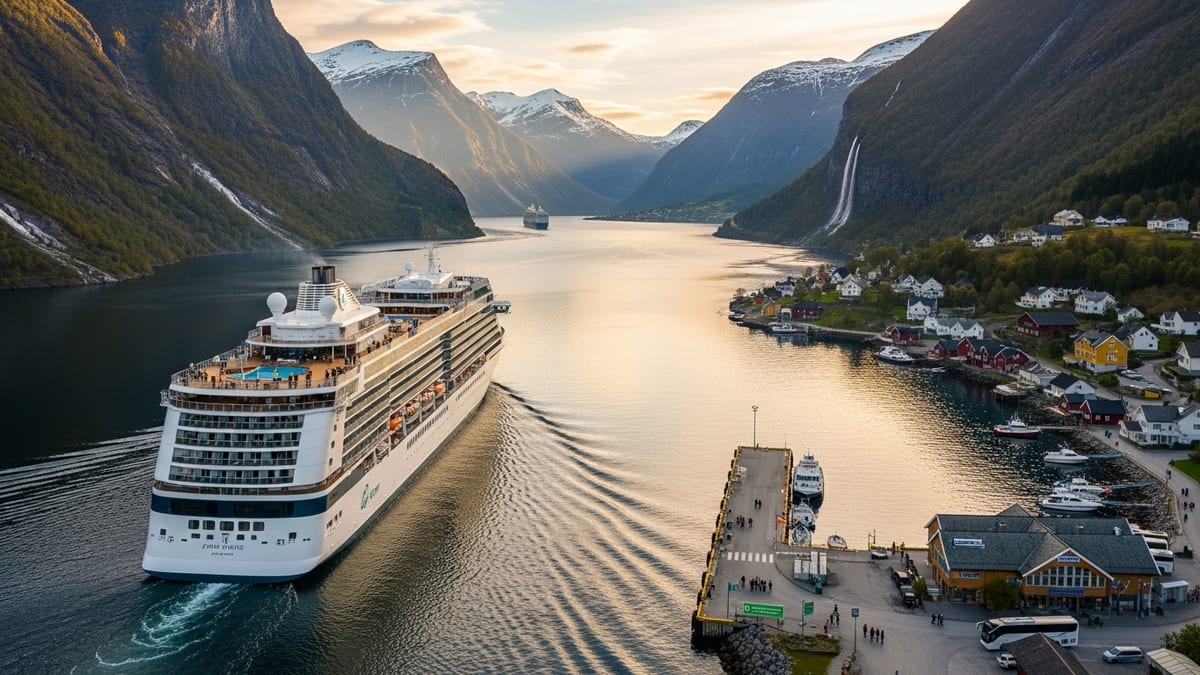
A Mega Fleet Concept With Mega Tourism Ripples
Publicly available planning documents and budget analyses describe the Trump-class as a nuclear-powered, missile-heavy capital ship meant to anchor a larger surface fleet in the 2030s. Early outlines point to vessels significantly larger than today’s guided-missile destroyers, carrying advanced sensors and long-range weapons intended to provide air, missile and sea control over wide areas.
While the proposal is framed around military deterrence, its scale implies powerful side effects for civilian maritime traffic. Large naval ships already influence how cruise lines, ferries and small tour operators use constrained waterways such as Hampton Roads, San Diego Bay and Puget Sound. A new generation of extra-large combatants could deepen that influence, redefining which harbors can host major visits, what channels remain open to tourism traffic and how often travelers encounter high-profile naval movements on popular coastal routes.
Industry analysts note that America’s waterfront economies have repeatedly adjusted to past fleet shifts. The retirement of Iowa-class battleships, the rise of nuclear aircraft carriers and the growth of amphibious assault ships each reshaped port scheduling, berth design and the visual character of major harbors. The Trump-class concept, with its combination of size, nuclear propulsion and weapons density, appears poised to push that pattern to a new scale if it proceeds beyond the planning stage.
Shipyards, Homeports and New Construction on the Waterfront
Reports on the proposed program indicate that existing U.S. shipyards, including major facilities in Virginia and the Gulf Coast, are under consideration for a leading role in building the class. These yards already support both naval construction and commercial work, and any major shift toward a large nuclear surface combatant is likely to demand new dry docks, fabrication halls and workforce housing near the water’s edge.
For nearby travel economies, this evolution could be a mixed development. On one hand, long-term naval construction brings hotel bookings, extended-stay rentals, restaurant demand and business travel tied to engineering, testing and oversight. Waterfront cities that market themselves as “shipbuilding capitals” commonly see increased interest in naval history tours and harbor cruises whenever a new signature vessel is under construction or undergoing sea trials.
On the other hand, heavy industrial expansion can crowd out or visually dominate recreational waterfronts. Additional security perimeters, restricted-access piers and industrial traffic may limit where marinas, small cruise operators and kayak or sailing outfitters can safely operate. Local planners along the Atlantic and Gulf coasts are already navigating tight balances between working waterfronts and leisure districts; a Trump-class build program would concentrate that tension in a few key metropolitan areas.
Homeport selection, if the class moves forward, could have equally significant implications. Ports that receive a Trump-class squadron would likely see long-term increases in Navy personnel and families, defense contracting travel and ceremonial ship visits. At the same time, they would need to adapt berths, dredging plans and approach channels to accommodate vessels that, on paper, rival or eclipse many cruise ships in displacement and draft.
Security Zones, Cruise Routes and Visitor Experience
Coastal travel is already shaped by maritime security rules that expand or contract around naval operations. When aircraft carriers or amphibious groups sorty, the Coast Guard typically establishes exclusion areas, speed limits and temporary closures that cruise ships and ferries must respect. A Trump-class fleet would add a new category of high-value naval asset to this landscape, with its own security and environmental protocols.
In practical terms, this could mean more frequent course adjustments or timing shifts for coastal cruise itineraries that share constrained approaches with major naval hubs. Passengers sailing in and out of ports such as Norfolk, San Diego or Jacksonville could see more visible escorts, patrol craft and temporary channel restrictions when a Trump-class ship is arriving, departing or conducting weapons tests offshore.
Some travel planners view this as an opportunity rather than a hindrance. Naval movements often become impromptu attractions, with visitors gathering on waterfront promenades and excursion boats marketing “fleet-viewing” cruises. A distinctive, heavily publicized Trump-class silhouette would likely become a photo subject for travelers, much as aircraft carriers and older battleships have done in the past. The challenge for port authorities would be to channel that curiosity safely, without compromising either security or smooth passenger operations.
Environmental and nuclear-safety rules may also shape routing decisions. Cruise companies typically factor in local regulations on air emissions, ballast water and port fees; if Trump-class ships introduce additional buffer zones or monitoring requirements around nuclear systems, operators may adjust schedules to minimize delays or conflicts in narrow approaches.
Heritage Tourism, Museum Ships and the Battleship Revival Narrative
The Trump-class proposal is emerging at a time when battleship heritage tourism remains strong. Museum ships such as the preserved Iowa- and South Dakota-class vessels continue to attract visitors in California, Hawaii, New Jersey and Texas, blending Cold War history with hands-on exhibits and harbor views. Travel officials in those cities have long marketed the drama of big-gun silhouettes against modern skylines.
A new missile-era “battleship” could amplify that narrative, even as naval experts debate whether the Trump-class label fits traditional definitions. Travel marketing materials often lean into broad themes of sea power and national identity, and a new class of iconic warship would provide fresh material for harbor tours, naval history trails and themed hotel packages built around ship commissioning ceremonies or fleet weeks.
There is also potential for new partnerships between active naval installations and nearby museums. As the Navy experiments with manned-unmanned formations and high-tech surface combatants, museum curators have been adding exhibits on drones, cyber defense and missile warfare to complement traditional gun-deck tours. The Trump-class story, whether realized at full scale or heavily modified, offers another hook for explaining how U.S. sea power is evolving from the battleship era to a networked, sensor-driven fleet.
For coastal destinations that already see strong demand for naval heritage travel, even incremental steps in the Trump-class program, such as model unveilings, keel-laying ceremonies or sea trials, could be packaged as visitor events. Travel media coverage of such milestones often translates into spikes in interest among cruise passengers and independent travelers planning itineraries around ship-spotting or military history.
Uncertainty, Cost Debates and Planning for Multiple Futures
Despite the attention surrounding the concept, the Trump-class program remains at an early and uncertain stage. Congressional research, budget watchdog assessments and independent naval commentary all point to very high projected costs for the lead ship and substantial pressure on the existing shipbuilding base. Some analyses highlight the risk that any new battleship-sized platform could be scaled back, delayed or canceled outright if fiscal or strategic priorities shift.
For the travel and tourism sector, that uncertainty suggests a need for flexible planning. Port authorities, convention bureaus and cruise operators can monitor how the Navy’s broader fleet design plans evolve, without committing prematurely to narratives or infrastructure investments tied to a single class. Many of the underlying trends that support coastal travel growth, from increased interest in naval heritage to the expansion of mixed-use waterfronts, do not depend solely on one ship concept.
At the same time, the debate around the Trump-class underscores how closely America’s maritime identity is intertwined with travel. Decisions about warship size, homeports and industrial investment echo through hotel occupancies, harbor tour offerings and the visual experience of sailing into a U.S. port. Whether the proposed battleships sail as envisioned or evolve into a different family of large surface combatants, their footprint on the coastal travel economy is likely to be felt in pier maps, cruise brochures and harbor skylines for years to come.