


More news on this day
A controversial vision for a new Trump-class battleship fleet is beginning to ripple beyond defense circles, prompting coastal cities, port authorities and tourism operators to weigh how such mega warships could reshape America’s seaside travel economy if they ever move from render to reality.
Get the latest news straight to your inbox!
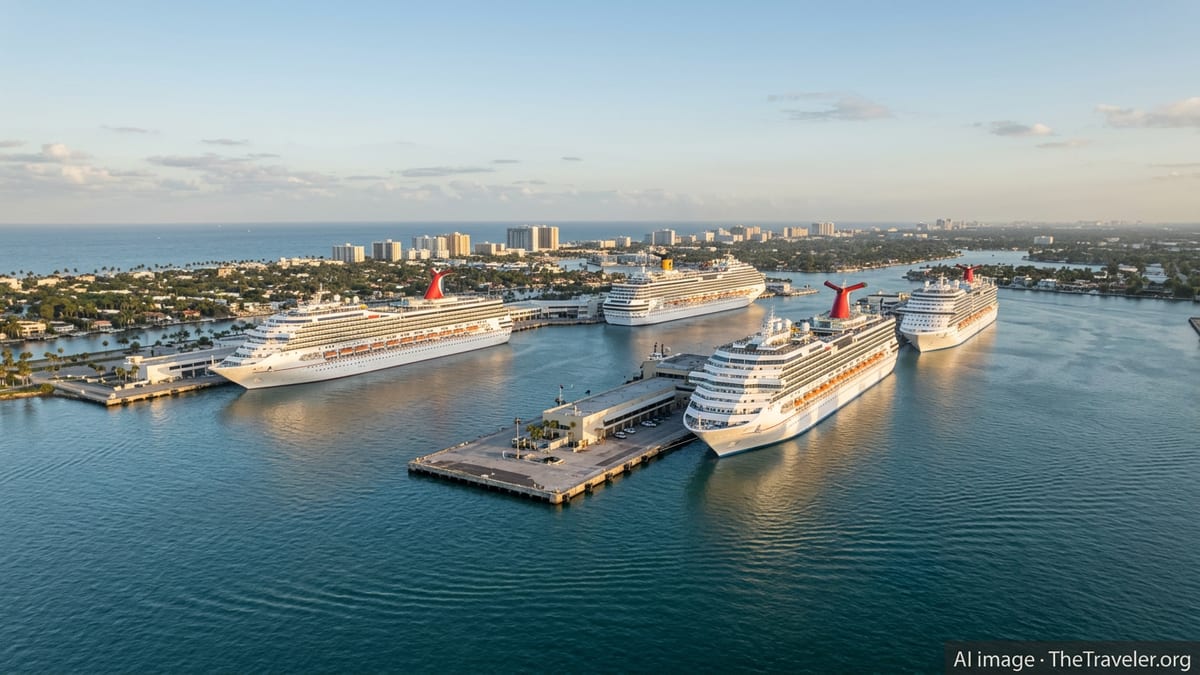
A Mega Fleet Concept With Civilian-Side Shockwaves
Publicly available plans describe the Trump-class as a nuclear-powered, guided-missile capital ship concept positioned at the center of a larger “Golden Fleet” vision for the United States Navy. The notional design, which emphasizes heavy missile batteries, hypersonic weapons and experimental railguns, has been framed as a response to evolving great-power competition at sea and concerns that existing destroyer hulls have limited room for future systems.
Budget documents, think-tank papers and specialized defense coverage indicate that the Trump-class would be significantly larger than today’s destroyers, with a displacement comparable to mid-20th century carriers. This kind of scale, while intended to support power-hungry weapon systems and command-and-control functions, also implies a very different physical relationship with U.S. ports than current surface combatants enjoy.
While the proposal remains at an early and uncertain stage, travel and economic analysts are beginning to explore second-order effects for coastal infrastructure and tourism. The potential introduction of a new class of mega warship, even in small numbers, would intersect with busy cruise hubs, ferry routes and waterfront redevelopment projects in ways that many local planners have not yet fully mapped out.
Port Access, Draft Limits and Cruise Ship Competition
Modern cruise vessels already push the limits of channel depth, berth length and turning basins in some U.S. ports. Early Trump-class specifications circulating in defense literature suggest deep drafts and wide beams, characteristics that would further concentrate potential homeport options to a relatively short list of heavily dredged naval complexes and adjoining commercial harbors.
In practice, that could intensify competition for deep-water access in locations where tourism and defense are already closely entwined, such as Norfolk, San Diego, Pearl Harbor and ports in Florida. Any requirement for more frequent naval movements by very large ships could create scheduling challenges for cruise departures, harbor tours and small-ship expeditions, particularly in narrow channels or tidal windows where only one large hull can safely maneuver at a time.
Harbor pilots and port planners generally prioritize safety and military readiness, which means civilian operators often adjust around naval traffic patterns. If a Trump-class fleet concept translated into real hulls, some travel-sector stakeholders anticipate that high season cruise itineraries and call times might need to be re-optimized to avoid conflicts with large-scale naval exercises or arrivals.
At the same time, ports that invest in deeper channels and more robust berths to accommodate such ships could, over time, market those same upgrades to attract the latest generation of mega cruise liners. Some coastal economists argue that, if carefully planned, dual-use infrastructure improvements might ultimately support both national security requirements and long-term tourism growth.
Security Footprints and the Visitor Experience
Large warships typically bring elevated security postures, including expanded exclusion zones, patrol craft activity and restricted waterfront access during visits, maintenance periods or public ceremonies. With the Trump-class framed as a high-value asset within a future fleet, observers expect security perimeters, both at sea and along the pier, to be particularly pronounced wherever such ships would berth.
For travelers, that could translate into temporary detours around fenced-off sections of popular waterfront promenades, increased identification checks near certain ferry terminals, and occasional disruptions to sightseeing cruises that stray too close to naval operating areas. Travel businesses that rely on unobstructed harbor views may need to plan around the visual and physical presence of large gray hulls dominating skylines on specific days.
On the other hand, the arrival of a new generation of capital ships could revive a longstanding niche in American tourism: naval ship watching. Historical precedents from the era of Iowa-class battleships and carrier homecomings suggest that milestone events, such as a first deployment return or commissioning ceremony, can draw substantial crowds, fill hotels and boost restaurant traffic in nearby districts.
Some destination marketers are already sketching scenarios in which carefully managed public viewing areas, harbor festivals and museum partnerships turn high-profile naval movements into recurring calendar attractions, while still respecting operational security and community concerns.
Heritage Tourism, Museums and Narrative Tension
The Trump-class concept lands in a country where battleship nostalgia and maritime heritage remain strong draws for domestic travelers. Historic ships such as USS Missouri in Hawaii, USS Iowa in California and USS Wisconsin in Virginia anchor museum complexes that combine naval history, STEM education and waterfront leisure districts.
If a new, heavily publicized capital ship design enters service, it would likely invite comparisons with these storied vessels. Curators and local tourism boards may seize the opportunity to create programming that contrasts analog big-gun warfare with digital-era missile and railgun systems, appealing to visitors interested in both history and emerging technology.
At the same time, the name and branding surrounding the proposed class introduce unusual narrative tension. Travel-related coverage already notes that the association with contemporary politics could polarize visitor sentiment in ways that more traditionally named ships do not. Some travelers might be drawn by curiosity or personal enthusiasm, while others could avoid events or tours that prominently feature the Trump label.
Destination managers who have built successful, broadly inclusive waterfront brands may therefore approach any co-marketing with caution, focusing on the broader themes of naval innovation, port-city identity and maritime safety rather than on the political figure referenced in the class name.
Uncertain Timeline, Real Planning Questions
Despite extensive online debate and detailed mock-ups, the Trump-class remains a proposal subject to political negotiation, budget scrutiny and evolving defense doctrine. Congressional analysts examining overall fleet size and missile capacity have emphasized that competing priorities, from submarines to smaller uncrewed vessels, could reshape or delay any mega ship ambitions.
For the travel sector, that uncertainty complicates long-range investment decisions. Port authorities typically plan dredging, pier construction and terminal expansion projects on timelines that stretch a decade or more. Developers considering new waterfront hotels or mixed-use districts also weigh viewsheds, traffic flows and perceived neighborhood ambiance, all factors that could be affected by the regular presence of very large warships.
Urban planners and tourism strategists in major harbor cities are beginning to fold defense scenarios, including potential Trump-class deployments, into broader resilience and land-use studies. Rather than betting on a specific fleet outcome, many are stress-testing how their waterfronts would perform under a range of possibilities, from more frequent carrier visits to a gradual shift toward smaller, distributed naval platforms.
Whatever direction the Navy’s final fleet architecture takes, analysts suggest that the debate around the Trump-class has already performed one civic function: it has pushed port communities to confront how intertwined national security, commercial shipping and leisure travel have become along America’s coasts.