


More news on this day
Almost 190 TUI fly passengers bound for Belgium were unexpectedly stranded at Varna Airport in Bulgaria after a passenger bus collided with their aircraft’s wing, leaving the jet too damaged to operate its scheduled return flight.
Get the latest news straight to your inbox!
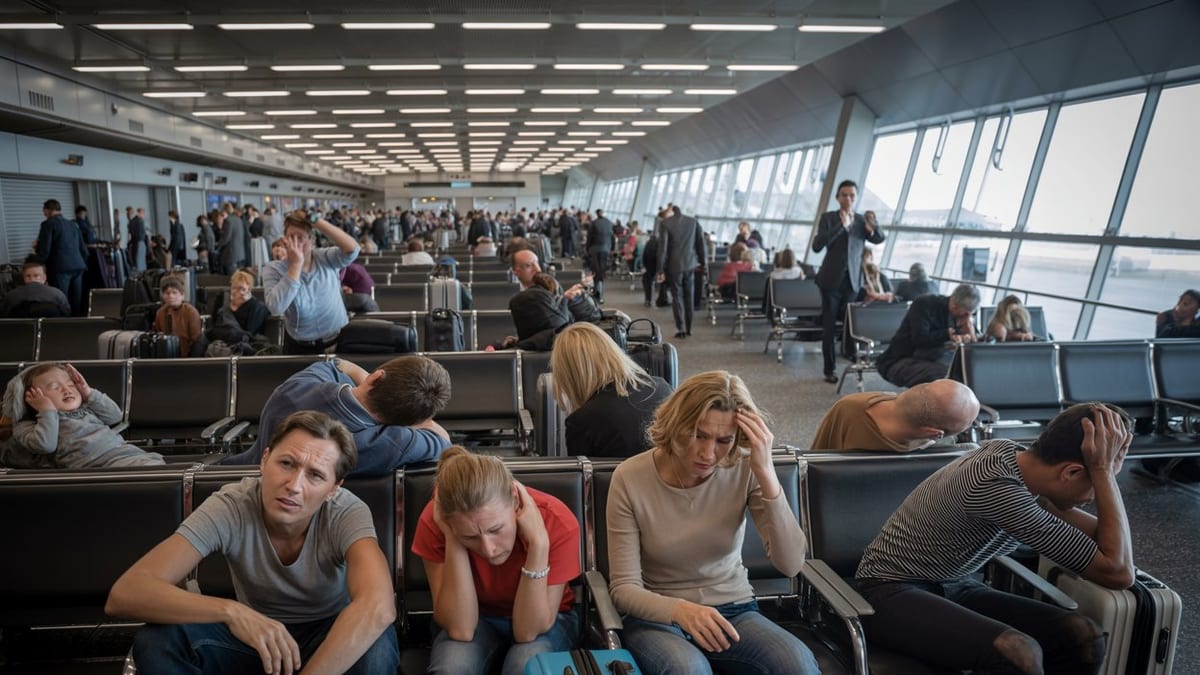
Collision on the apron halts Belgium-bound flight
According to published coverage from Belgian regional media, the incident occurred on the apron at Varna Airport on Tuesday afternoon, when a passenger bus transferring the final group of travelers to a TUI Belgium aircraft struck the jet’s wing. Initial reports describe a loud bang and a noticeable jolt on board as the impact briefly moved the aircraft and caused visible structural damage to the wing section.
Local online outlet Zaventem.me, citing accounts from affected travelers, reports that a piece of the wing was damaged to the point that the aircraft could no longer safely operate the planned flight back to Belgium, leaving 188 passengers without their scheduled return service. Visual assessments on the ground indicated damage severe enough to keep the aircraft out of service pending technical inspection and repair.
Coverage compiled by Flemish news aggregators states that the aircraft was preparing to operate a TUI Belgium service from Varna to Brussels when the collision happened. With boarding nearly complete and passengers already seated, the bus carrying the remaining customers approached the aircraft and made contact with the wing at low speed, turning a routine airport transfer into a disruption affecting an entire planeload of holidaymakers.
There were no immediate reports of injuries among passengers or ground staff as a result of the collision. However, travelers quoted in media reports described the impact as strong enough to cause concern in the cabin before it became clear the aircraft would remain on the ground.
Passengers face unexpected overnight stay in Bulgaria
Reports from Belgian regional news sites indicate that all 188 passengers were asked to disembark and return to the terminal after the incident, where they were informed that the aircraft would not be able to depart as planned. With no immediate replacement aircraft available in Varna, the group faced an unplanned extension of their stay on Bulgaria’s Black Sea coast.
According to summaries of traveler accounts, the process of arranging accommodation and onward transport took several hours, as airline and handling teams worked through options for hotel rooms, meal provision, and a replacement flight. Some passengers expressed frustration at the uncertainty and the pace of communication, while acknowledging that the technical damage required the aircraft to remain grounded.
European package-tour operators typically take responsibility for hotel arrangements and basic care for customers stranded abroad when operational incidents disrupt flights. Publicly available guidance from TUI-branded websites explains that when outbound or return flights suffer major delays or cancellations, customers may be rebooked onto alternative services and, where necessary, provided with accommodation and transfers until a new departure is confirmed.
In this case, Belgian media reports suggest that travelers were ultimately directed to local hotels around Varna for an additional night, with some hoping to reach home only late the following day. For many, what began as a straightforward return from a beach holiday became an extended stay characterized by waiting for updates and rearranged connections.
Replacement aircraft and rescheduling efforts
Flight-tracking data for TUI fly’s operations to and from Varna show overnight activity between Varna and Hanover, illustrating how airlines may reposition aircraft to support disrupted schedules or to cover damaged equipment. Industry practice in similar situations typically involves dispatching a replacement jet from an airline base or diverting an available aircraft to recover stranded passengers once maintenance and crew-availability constraints are resolved.
Information on TUI’s official customer information pages highlights several tools used during such events, including online flight-status trackers, booking portals, and dedicated help sections for delays and cancellations. These resources emphasize that returning customers home is treated as a priority when unforeseen operational issues affect a flight, and that updates are usually provided directly to customers through the contact details in their bookings.
Given the need for a full technical assessment of the damaged aircraft in Varna, publicly accessible reporting indicates that TUI fly focused on reorganizing its schedule to free an alternative aircraft and crew. That process can take time, particularly during busy holiday periods when fleet utilization is high, leaving stranded travelers facing a prolonged wait even after accommodation is secured.
Although specific replacement-flight details for the Varna to Belgium service were not immediately published in open sources, aggregated coverage of the incident notes that passengers were informed they would likely depart a day later than planned, subject to operational planning and aircraft availability.
Safety, liability and passenger rights context
The Varna collision underscores the importance of ground-safety procedures around aircraft, where buses, fuel trucks and service vehicles operate in close proximity to jet wings, engines and fuselage. Publicly available safety investigations into past apron incidents at European airports show that even low-speed impacts with aircraft structures can cause damage requiring extensive inspection and repair before a plane can safely return to service.
Under European rules for air passenger rights, travelers affected by long delays or cancellations may be entitled to assistance such as meals, refreshments, and, when necessary, hotel accommodation. Eligibility for financial compensation, however, depends on the cause of the disruption and whether it is considered within the airline’s control. In cases where damage is linked to airport ground operations or third-party service providers, responsibility can be complex and subject to later assessment.
TUI Airways and affiliated TUI fly operators publish Conditions of Carriage that outline their obligations in situations where flights are rescheduled, delayed or canceled. These documents generally state that flight times cannot be guaranteed and may change for operational or safety reasons, while also committing to provide rerouting or refunds in line with applicable regulations and contractual terms.
For the passengers stranded in Varna, the priority in the hours after the collision was to secure clear information, accommodation and a confirmed onward flight. As the damaged aircraft awaits technical evaluation, the episode serves as a reminder that even routine transfers by airport bus can have far-reaching consequences when contact is made with an airliner poised for departure.
https://www.tui.co.uk/destinations/info/travel-information
https://www.tui.co.uk/destinations/info/flight-conditions-of-carriage