


More news on this day
Flight operations across the UAE are running but not fully friction-free today, with publicly available trackers and airline advisories showing pockets of delays, targeted route cancellations, and short-notice schedule changes affecting Dubai, Abu Dhabi and Sharjah.
Get the latest news straight to your inbox!
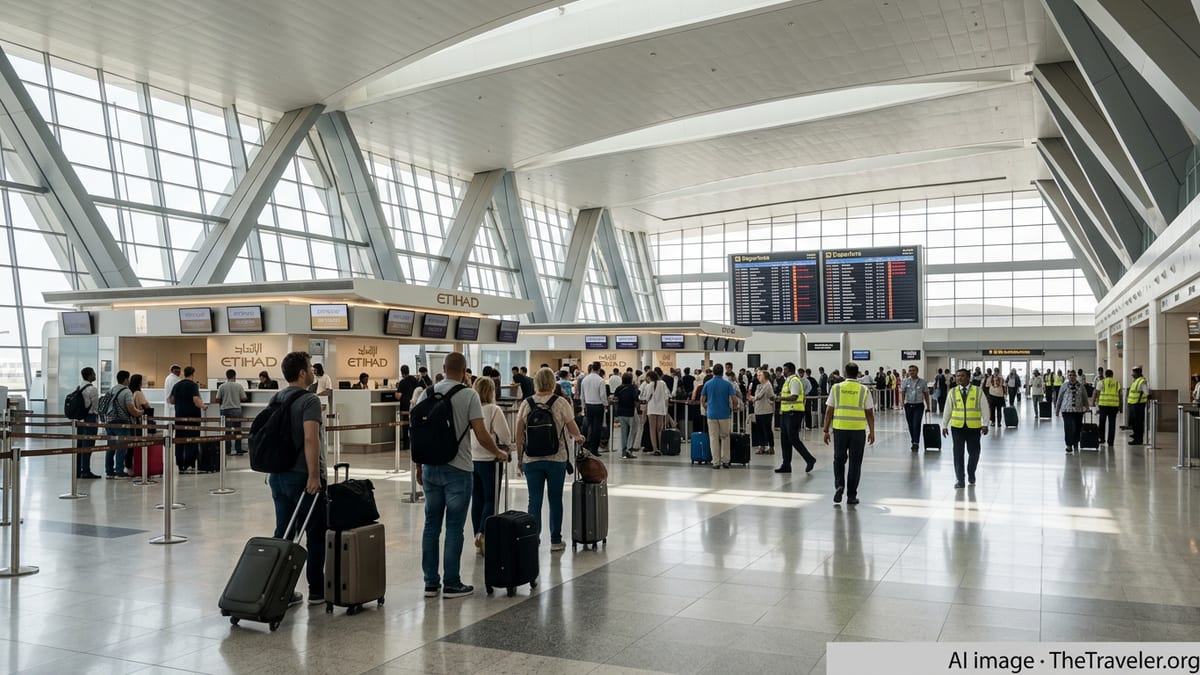
Dubai (DXB): Mostly operating, with selective delays and a few cancellations
Dubai International Airport remains broadly operational today, but live flight boards and published coverage indicate a mix of delayed arrivals and departures, alongside a smaller number of cancellations. The pattern is typical of disruption driven by network knock-on effects, where an earlier delay on an inbound aircraft can cascade into a later departure.
Recent published coverage of UAE flight updates has flagged delayed movements at DXB on a range of routes, with some cancellations on specific services. While the underlying causes vary by carrier and route, the practical takeaway for travelers is the same: confirmation needs to come from the operating airline’s own flight-status channel, not only from third-party boards.
Passengers flying Emirates and flydubai are being directed to check flight status online before heading to the airport, since gate times and departure estimates can shift in short intervals. Travelers with tight onward connections through Dubai should also re-check both legs of the itinerary, as a first-sector delay can trigger rebooking or retiming on the second sector.
Abu Dhabi (AUH): Watch for route-specific cancellations and retimed departures
At Abu Dhabi’s Zayed International Airport, flight activity continues, but recent airline notices and trackers have shown cancellations on particular city-pairs and time windows, alongside departures that may be retimed rather than canceled outright. Travelers should treat the published departure time as provisional until check-in opens and the aircraft and crew are confirmed in position.
Etihad has previously posted operational cancellations affecting selected regional routes in periods of heightened disruption, and published reporting has highlighted specific flight numbers on certain days. Even when an airport is operating normally overall, these targeted cancellations can affect travelers disproportionately because re-accommodation options may be limited on high-demand regional sectors.
Zayed International Airport’s own travel guidance emphasizes checking status directly with the airline before traveling to the terminal. For passengers who booked through third parties, it can also help to verify that contact details are current so schedule changes and rebooking messages are received promptly.
Sharjah (SHJ): Smaller schedule, but irregular operations can still ripple
Sharjah International Airport generally handles a smaller overall schedule than DXB, yet it can still see meaningful disruption when specific regional routes are reduced or suspended. Publicly available departure boards today show that at least some services are running late, even when the overall operation appears steady.
Recent published updates about UAE aviation have described Sharjah as experiencing relatively minor delays at times compared with larger hubs, but conditions can change quickly based on airspace availability and airline network decisions. For SHJ passengers, the key is to verify both flight status and the latest check-in and boarding times, because these can be updated without a full cancellation.
Travelers using Sharjah-based operators should also double-check whether their flight is operating from Sharjah or from another UAE airport on the same day, particularly if an airline consolidates service or swaps aircraft. That’s especially important for passengers traveling with checked baggage, as cutoffs may be enforced strictly on disrupted days.
What’s driving the changes: airspace constraints, network knock-on effects, and carrier-by-carrier decisions
Today’s disruption picture across the UAE is not a single, systemwide shutdown. Instead, it reflects a patchwork where airlines adjust schedules based on route viability, aircraft rotation, and the availability of alternate routings around restricted or congested airspace.
Published aviation coverage in recent weeks has pointed to intermittent route suspensions and selective cancellations on certain Gulf and regional sectors, with airlines updating reservation systems as conditions evolve. The result for travelers is that two flights leaving the same terminal within an hour of each other may face very different outcomes depending on their destination, operator, and the inbound aircraft’s earlier day performance.
Third-party trackers can help identify whether an inbound aircraft is airborne, late, or swapped, but they may lag airline systems during fast-moving disruption. For travelers, airline flight-status tools remain the most reliable indicator for whether a flight is operating, what the latest estimated time is, and whether rebooking is required.
Traveler checklist for today: the fastest way to confirm your flight and avoid wasted airport trips
For departures from DXB, AUH, or SHJ today, the most effective first step is to confirm status using the operating airline’s official flight-status page or app, then cross-check your booking for any updated departure time. If you receive a cancellation notice, follow the rebooking instructions provided through your booking channel before traveling to the airport.
Allow extra buffer time for airport procedures, but do not arrive excessively early if your airline has issued revised reporting guidance for disrupted flights, as some carriers request passengers time their arrival closer to an updated schedule. If your flight is delayed, re-check the status periodically because a delayed flight can still be subject to later cancellation if aircraft positioning, crew duty limits, or destination constraints change.
Finally, travelers connecting onward through the UAE should verify minimum connection feasibility if the first leg slips, and proactively review alternate routings while seats remain available. Even when airports remain open and most flights operate, a small number of cancellations can create outsized congestion on rebooking channels and on the remaining flights.