


More news on this day
Flight schedules across the UAE remain fluid today, with airline and airport trackers showing rolling delays and occasional cancellations affecting departures and arrivals at Dubai International (DXB), Zayed International in Abu Dhabi (AUH), and Sharjah International (SHJ). Travelers are being urged to rely on live flight-status tools and airline alerts before leaving for the airport, as gate times, routings, and even operating terminals can shift with little notice.
Get the latest news straight to your inbox!
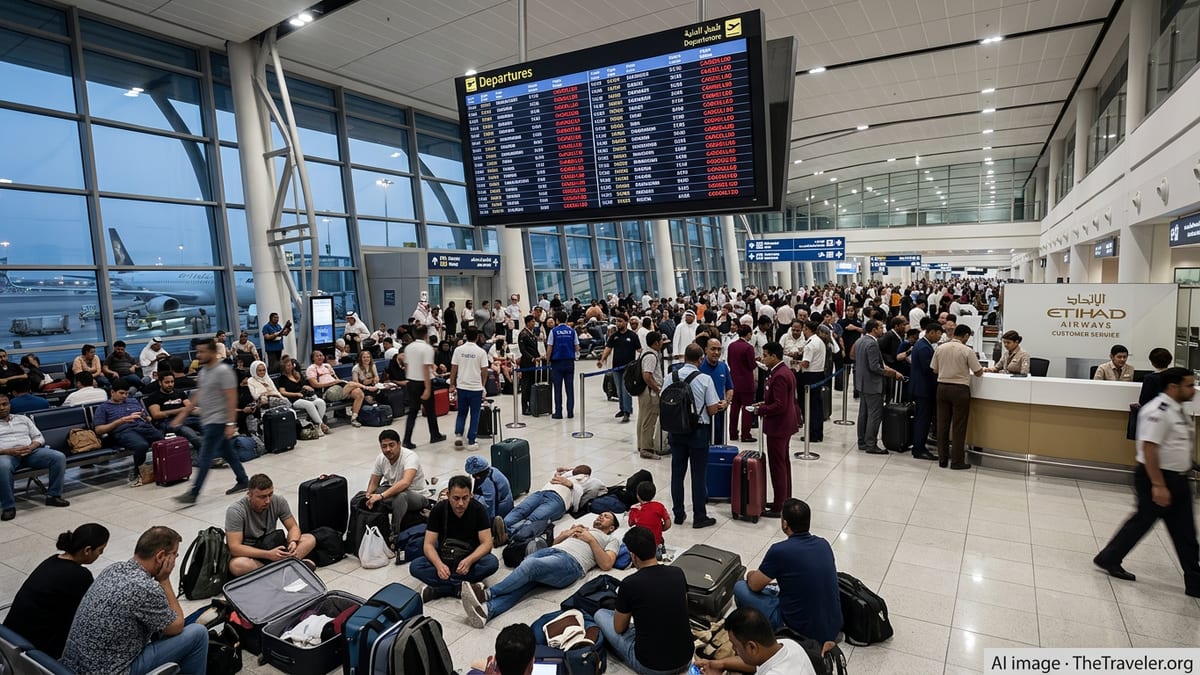
Dubai (DXB): Live status tools show shifting departure times
Dubai International’s flight-status page is the quickest way to confirm whether a specific departure or arrival is operating as planned, but it may not always display full live boards in every session or device view. Travelers who cannot load the live list can still use the search function by airline, destination, or flight number, and should cross-check with their airline’s own tracker to confirm the latest departure time and terminal.
Publicly available airline guidance also signals that some Dubai-linked operations can still experience disruption. Emirates’ flight-status and travel-information pages advise passengers to review email notifications for changes or cancellations and to check Emirates flight status online before heading to DXB, noting that operations were not described as fully normalized in its most recent standing update.
For passengers flying on flydubai and codeshare services, the carrier’s operational updates have flagged that some routings and flight times can be affected by temporary flight-path changes, which may lengthen flight durations and connections through Dubai. That matters most for tight onward connections: even if a flight departs close to schedule, an extended airborne time can affect arrival and transfer windows.
Abu Dhabi (AUH): Check Zayed International and Etihad updates before travel
Zayed International Airport publishes a flight-status section for departures and arrivals, and it is designed for real-time checks by flight number, airline, or city. For travelers departing Abu Dhabi today, using the airport’s official status tools alongside the airline’s app is the most reliable approach, especially for early-morning changes and last-minute gate updates.
Abu Dhabi’s destination travel-advisory guidance also stresses a practical sequence: verify the latest flight status directly with your airline first, then use the airline’s website or app for rebooking options and self-service changes. If the ticket was issued through a travel agency, that channel may need to process changes rather than the airline handling everything directly.
For passengers with onward travel, adjusted routings can be just as important as outright cancellations. Even when a flight operates, a change in flight path or a revised departure slot can compress connection times, particularly on itineraries that rely on minimum connection windows.
Sharjah (SHJ): Flight trackers show minor-to-elevated disruption levels
Sharjah International typically sees the biggest impact when regional schedules tighten, because it supports a heavy volume of short- and medium-haul operations. Real-time departure tracking for SHJ has shown an average delay around the half-hour mark and an “elevated” disruption index, indicating minor-to-moderate operational friction rather than a full-scale shutdown.
For travelers using Sharjah as an origin or connection point, that level of disruption often translates into staggered departure times throughout the day, with the biggest consequences for late-night banks of departures where a single inbound delay can ripple across multiple outbound flights.
Because Sharjah is the main base for Air Arabia, passengers should also monitor the airline’s flight-status tools and any posted service advisories. Even when an airport-wide tracker indicates only modest disruption, a carrier-specific operational issue can still cause a cancellation or a lengthy delay on certain routes.
What changed and why: common causes behind today’s schedule shifts
Across UAE hubs, the most common near-term causes of day-of-travel schedule changes are air-traffic flow management, temporary rerouting of flight paths, airport congestion during peak banks, and late aircraft rotations arriving from earlier legs. When one inbound sector arrives late, the same aircraft may operate a later departure, creating a knock-on delay even if weather is clear at the departure airport.
Airline operational pages have also highlighted that rerouting can extend flight durations and transit times, which can shift planned arrival times even when a departure is close to schedule. That matters for travelers with tight connections, time-sensitive ground transport, or onward flights booked on separate tickets.
Finally, some disruptions are simply data-driven: flight boards can update repeatedly as new slot times are assigned. A departure that is “delayed” at midday can later move forward or back again, depending on runway flow and the aircraft’s inbound arrival time.
What travelers should do now: verify, time your arrival, protect connections
Before leaving home or a hotel, travelers should confirm status in three places: the airport’s official flight-status page (DXB, AUH, or SHJ), the operating airline’s live tracker, and any alerts delivered by email or in-app notifications. If one source shows a change and another does not, the airline’s status tool is typically the best guide to what will happen at the gate.
Passengers should also plan for schedule variability rather than a single posted time. If a flight is delayed, re-check frequently because slot revisions can move quickly, and a long delay can shorten without much warning. For those connecting, it is worth calculating whether a new departure or arrival time still preserves enough time to clear transfer checkpoints and reach the next gate.
If a cancellation does occur, travelers should review rebooking options in the airline app first, because self-service tools are often faster than airport queues. Where the booking was made through a travel agency, published travel-advisory guidance indicates the agency may need to handle re-issuance and changes, particularly for complex itineraries or bundled packages.