


More news on this day
Flight activity across the UAE’s three main passenger gateways is running with intermittent disruption today, with live tracking boards showing pockets of delays and occasional cancellations at Dubai International (DXB), Zayed International Airport in Abu Dhabi (AUH) and Sharjah International (SHJ). Because airport websites and third-party trackers can refresh at different speeds, travelers are being urged to confirm their specific flight by number with the operating airline before setting out.
Get the latest news straight to your inbox!
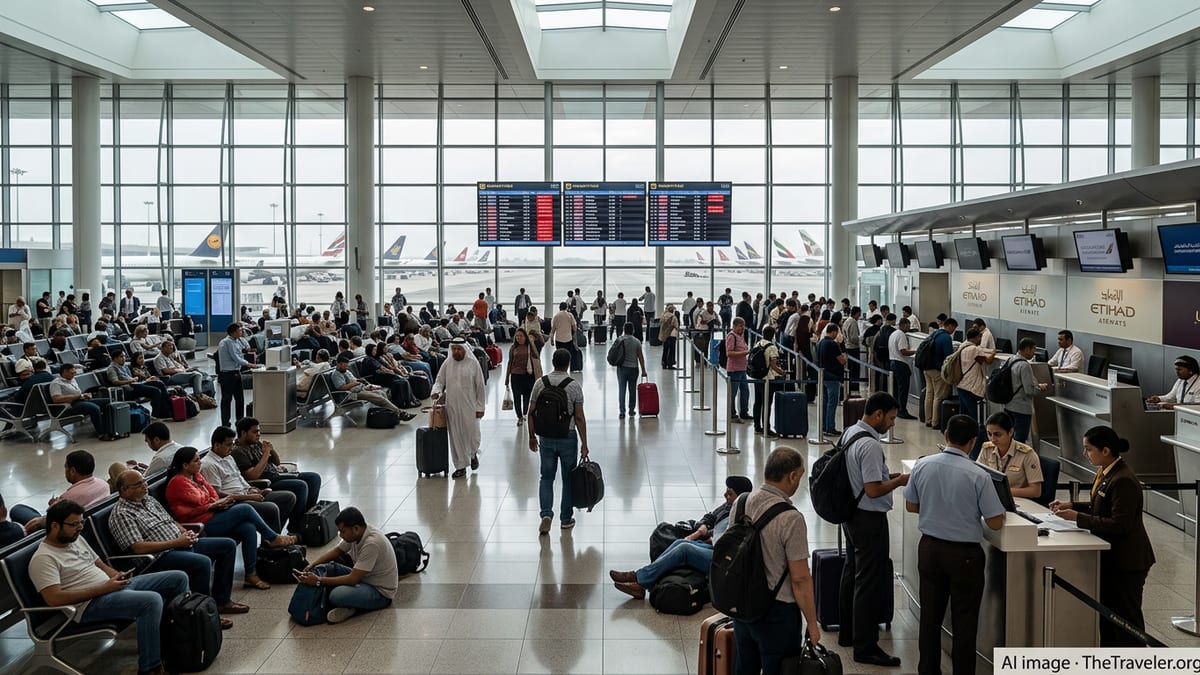
What the live boards show at DXB, AUH and SHJ
At Dubai International, publicly available flight trackers are flagging a modest number of delayed and cancelled flights in the latest refreshes today, while the official Dubai Airports flight-status tool has at times displayed limited or unavailable listings and advised passengers to check back later. When that happens, airline flight-status pages and independent trackers can provide the fastest way to verify whether a specific departure or arrival is operating as planned.
In Abu Dhabi, Zayed International’s flight-status pages are updating frequently and remain the primary reference for Terminal A departures and arrivals, supplemented by airline trackers for the most current gate-level changes. Travelers connecting through AUH should pay close attention to revised departure times, as even short delays can tighten minimum connection windows.
Sharjah’s live departure information indicates generally steady operations, with real-time disruption metrics showing average delays in the low double digits and a small number of cancellations on the day measured. As with any busy airport, the largest impacts tend to be concentrated in peak banks of departures, when stand availability and turnaround times are under the most pressure.
Why flights get rescheduled: constraints beyond the terminal
Today’s on-and-off disruption pattern reflects a mix of operational factors that can affect UAE hubs quickly, including air traffic flow management, airline aircraft rotations and occasional airspace routing constraints in the wider Gulf region. Industry risk monitoring has continued to note that while UAE airspace remains open, routing restrictions and managed corridors can influence flight times and sequencing, particularly for services that typically transit over nearby waters.
Weather can also be a quiet driver of schedule changes. Even when conditions at the destination airport look stable, haze or shifting winds along the route can create spacing requirements that ripple into arrival and departure slots. That can translate into late gate changes, updated boarding times, or aircraft swapping, all of which may appear first on airline apps rather than airport public displays.
Separately, long-running airfield works or procedural updates can affect how quickly flights can be processed, especially during the busiest periods. UAE aeronautical publications periodically list temporary airside restrictions and procedure changes for airports in Abu Dhabi and Sharjah that can shape day-to-day efficiency without fully stopping operations.
Airline-by-airline checks travelers should make before leaving home
For travelers flying Emirates through Dubai, the airline’s flight-status and disruption guidance emphasizes verifying flight status online before traveling to the airport, and relying on direct notifications for changes and cancellations. Emirates has also warned in its own guidance that, during disruption, a flight may still appear as “planned” in some systems even after a customer receives a cancellation notification, making email and app alerts especially important to reconcile.
Flydubai passengers should also check the carrier’s flight-status tool and operational updates page, which posts route-level changes when airports at the other end of the network undergo maintenance or operational restrictions. Even when the disruption is not in the UAE, these adjustments can affect aircraft rotations and create knock-on delays on Dubai departures later in the day.
For Etihad customers, the airline’s flight-status tracker provides flight-specific notes and can show when a delay escalates into a cancellation for operational reasons, such as technical issues. Because many AUH itineraries involve onward connections, travelers should confirm whether each segment is operated by Etihad or a partner carrier, since rebooking rules and notification timing can differ by operating airline.
Air Arabia and other SHJ-based operators publish flight status through their own channels and the Sharjah airport feeds, and travelers should be prepared for late changes to check-in opening times when aircraft are arriving late from earlier sectors. If a flight shows as delayed, confirming the latest estimated departure time with the airline’s tracker can help avoid long waits landside.
What to do right now if your UAE flight is delayed or cancelled
Start by checking the operating airline’s flight-status page using the flight number, then cross-check the airport’s departures or arrivals board for the same listing. If the airport site is slow to populate or shows a temporary lack of listings, third-party trackers can help confirm whether the aircraft is airborne, diverted or still inbound, but the airline’s own notifications remain the most actionable for rebooking eligibility.
For same-day travel, watch for schedule changes that happen in steps: an initial delay, a revised gate time, and then a final boarding time. If you are connecting through DXB or AUH, track both the inbound aircraft and your outbound segment, because a late inbound can quickly cascade into a missed connection even if the onward flight is nominally “on time” earlier in the day.
If your flight is cancelled, avoid heading to the terminal until you have an updated booking, since queues for in-person assistance can grow quickly during disruption. Most major UAE carriers direct passengers to rebook via the app, website, or the original travel agent for agency-issued tickets, and travelers should keep boarding passes and receipts if they incur extra costs tied to the disruption.
Practical timing advice for DXB, AUH and SHJ travelers today
Plan extra time for airport arrival if your flight is in a peak departure window, particularly at DXB where terminal congestion can compound even small airline delays. A flight that is running late can still require timely check-in and bag-drop, and some airlines keep standard cutoffs even when the scheduled departure time shifts.
In Abu Dhabi, use the airport’s live status feed and the official app features that support real-time flight information and notifications, then verify your gate and boarding time again after clearing security. At SHJ, expect the day’s performance to vary by route bank; if your service is delayed, consider arriving closer to the revised check-in guidance rather than the original schedule, but only after confirming with the airline’s latest update.
Across all three airports, travelers should keep documentation ready for any itinerary adjustments, especially for onward connections that involve separate tickets. With live boards updating throughout the day, the most reliable approach is to treat your airline’s flight number status as the final reference, and re-check it just before leaving for the airport and again upon arrival.