


More news on this day
UAE travellers heading out this weekend are being urged to closely monitor their flight status as Emirates, Etihad Airways, Air Arabia and flydubai implement schedule changes, delays and limited cancellations across regional and long-haul routes.
Get the latest news straight to your inbox!
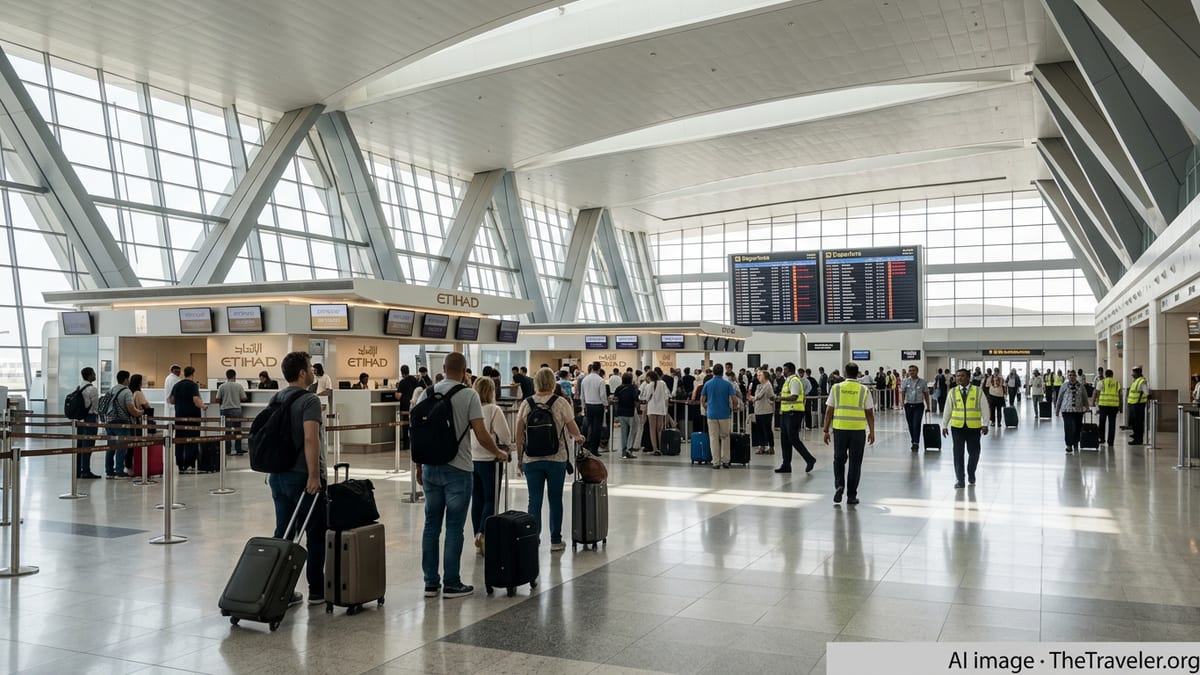
Mixed weekend operations at Dubai and Abu Dhabi airports
Publicly available data from Dubai International Airport and Abu Dhabi’s Zayed International Airport shows a patchwork of schedule changes for the weekend of September 12, 2026, with some services running normally while others face delays or cancellations. Coverage in Gulf-based media indicates that both hubs have recorded disruptions on select routes, particularly to nearby Gulf destinations and a handful of long-haul cities, even as overall operations remain largely intact for the main UAE carriers.
Reports summarising Friday and Saturday movements describe “mixed flight operations,” with flights departing on time alongside others that are rescheduled or cancelled at short notice. According to published coverage, delays have mainly ranged from minor hold-ups on arrival to longer disruptions on certain inbound and outbound services, especially where aircraft and crew are affected by wider regional challenges. ([gulfnews.com](https://gulfnews.com/business/aviation/uae-weekend-flights-status-emirates-etihad-air-arabia-flydubai-delays-cancellations-what-travellers-need-to-know-1.500672081?utm_source=openai))
Airport authorities have kept terminals open and functional, but the latest published information emphasises that schedules continue to be “subject to change,” particularly where routes intersect with areas of heightened airspace risk or knock-on disruption from earlier days in the week. Passengers are being advised, via airline and airport channels, to check flight status right up to leaving for the airport and to factor in extra time for security and check-in.
Travel analysts quoted in regional coverage note that the current pattern of disruption follows several days of intermittent delays and cancellations, rather than a single one-off event. This means a flight that appears on time in the morning may still be vulnerable to downstream changes later in the day, depending on how quickly airlines can re-balance aircraft rotations and crew rosters. ([gulfnews.com](https://gulfnews.com/business/aviation/uae-flights-status-emirates-etihad-air-arabia-flydubai-delays-and-cancellations-1.500670657?utm_source=openai))
How Emirates and Etihad are managing routes
For Emirates, reports indicate that core long-haul and high-demand regional routes are largely operating, but with occasional delays and equipment swaps. Recent coverage lists examples of extended delays on selected flights from Europe and North America earlier in the week, including services from Paris and New York, as carriers navigated shifting security assessments and airspace restrictions beyond the UAE itself. ([gulfnews.com](https://gulfnews.com/business/aviation/uae-flights-status-emirates-etihad-air-arabia-flydubai-delays-and-cancellations-indonesia-travel-disrupted-1.500664722?utm_source=openai))
Emirates services to key Gulf destinations such as Bahrain and Kuwait are reported to be scheduled this weekend, although travellers are cautioned that timings could change with limited notice. According to regional aviation reports, some inbound flights have arrived late, which can ripple through to subsequent departures from Dubai if aircraft turnarounds are compressed or crews reach duty-time limits. ([gulfnews.com](https://gulfnews.com/business/aviation/uae-weekend-flights-status-emirates-etihad-air-arabia-flydubai-delays-cancellations-what-travellers-need-to-know-1.500672081?utm_source=openai))
Etihad Airways, based at Zayed International Airport, is also described as operating “mostly normal” services to Bahrain and Kuwait while experiencing selective delays on other routes. One recent advisory highlighted technical and operational delays on a small number of long-haul flights, including services involving Jakarta, where volcanic ash and weather-related issues in Indonesia have complicated scheduling. Public data shows that these delays can extend several hours, underscoring the need for passengers to keep a close eye on notifications. ([gulfnews.com](https://gulfnews.com/business/aviation/uae-flights-status-emirates-etihad-air-arabia-flydubai-delays-and-cancellations-indonesia-travel-disrupted-1.500664722?utm_source=openai))
Both carriers continue to publish real-time updates via their websites and mobile apps, and check-in counters at Dubai and Abu Dhabi are reported to be open as normal. However, travel experts stress that a confirmed booking is not a guarantee of on-time departure in the current environment, and that rebooking options may be limited on busier routes where aircraft are already heavily utilised. ([gulfnews.com](https://gulfnews.com/business/aviation/uae-flights-status-emirates-etihad-air-arabia-flydubai-delays-and-cancellations-1.500670657?utm_source=openai))
Air Arabia and flydubai face targeted cancellations
Low-cost carriers Air Arabia and flydubai have taken a more targeted approach, with several reports highlighting cancellations on specific regional routes, particularly to Bahrain and Kuwait. Recent coverage notes that Air Arabia has withdrawn a number of flights on these sectors over the past week, while flydubai has also scrubbed selected departures to nearby Gulf and South Asian destinations. ([gulfnews.com](https://gulfnews.com/business/aviation/uae-weekend-flights-status-emirates-etihad-air-arabia-flydubai-delays-cancellations-what-travellers-need-to-know-1.500672081?utm_source=openai))
At the same time, many flights on both airlines are running as scheduled, especially on high-traffic routes into the wider Middle East, India and parts of Africa. Flydubai’s operational updates page continues to list schedule changes and terminal moves, such as recent adjustments to services in Riyadh, underlining how quickly flight details can shift even when overall operations are continuing. ([flydubai.com](https://www.flydubai.com/en/help/operational-updates/?utm_source=openai))
Budget travellers are particularly exposed when disruptions occur, as low-cost carriers typically have tighter aircraft rotation patterns and fewer spare seats across their networks. If a flight is cancelled, same-day alternatives on the same airline may be scarce, and travellers might need to accept a later date, a different airport or, in some cases, seek options on another carrier at their own cost, depending on the fare rules. Consumer advocates quoted in recent analyses recommend that passengers on these airlines pay close attention to email and app notifications, which may provide rebooking links or vouchers. ([nomadlawyer.org](https://nomadlawyer.org/uae-flight-delays-hit-emirates-etihad-flydubai-air-arabia-2026?utm_source=openai))
Reports also show that Air Arabia and flydubai have maintained contact-centre and airport-desk support to assist affected customers. However, high call volumes and busy airport queues are common when multiple flights are disrupted at once, making digital self-service channels a faster route for many travellers to confirm or amend their plans.
Wider regional and international knock-on effects
The current wave of UAE disruptions is closely tied to a wider regional situation, with several international airlines adjusting their UAE operations. Air France has suspended flights to and from Dubai through at least mid-September, while other foreign carriers have trimmed frequencies or temporarily halted services to both Dubai and Abu Dhabi. Published advisories cite evolving regional security risks and airspace considerations as drivers of these decisions. ([gulfnews.com](https://gulfnews.com/business/aviation/uae-flights-emirates-etihad-air-arabia-flydubai-delays-as-air-france-extends-dubai-suspension-1.500669370?utm_source=openai))
Coverage this week notes that Air France’s suspension has been extended until at least September 15, 2026, and that some Asian and European airlines remain cautious about restoring full schedules. At the same time, other carriers, including Lufthansa and Wizz Air, have begun outlining plans to progressively rebuild their Dubai and wider Gulf operations later in the year, signalling confidence in the long-term demand for UAE routes even as short-term uncertainty persists. ([khaleejtimes.com](https://www.khaleejtimes.com/business/uae-flights-emirates-flydubai-delays-cancellations-dubai-abu-dhabi-airport?utm_source=openai))
These international decisions have a direct impact on local operations. When foreign carriers reduce or suspend flights, connecting passengers reroute through other hubs or shift to UAE-based airlines where capacity allows, putting additional pressure on already-busy schedules. Airport resources such as gates, ground handling and security screening can also come under strain when airlines need to re-time multiple flights into tighter windows.
Meanwhile, a combination of regional tensions and episodic weather events in other parts of the network continues to exert influence. Earlier in the week, volcanic ash clouds in Indonesia forced changes to flights between Jakarta and Abu Dhabi, while security-related airspace restrictions have altered routings on some Europe and Asia services. Even when these events occur far from the Gulf, they can lead to aircraft and crew being out of position, contributing to delays days later. ([gulfnews.com](https://gulfnews.com/amp/story/business%2Faviation%2Fuae-flights-status-emirates-etihad-air-arabia-flydubai-delays-and-cancellations-indonesia-travel-disrupted-1.500664722?utm_source=openai))
Practical steps for travellers flying this weekend
For passengers flying on Emirates, Etihad, Air Arabia or flydubai this weekend, travel specialists advise starting with the airline’s official website or app and monitoring the booking frequently. Most UAE carriers now push real-time notifications when a flight is delayed, re-timed or cancelled, and some allow customers to self-manage rebooking or refunds for eligible tickets. Checking in online as soon as it opens can also provide earlier visibility of any changes to flight numbers, departure times or terminals.
Public advisories highlight the importance of arriving at the airport earlier than usual, especially at peak travel times. With security checks, immigration and potential extra document reviews, many travellers are opting to reach Dubai and Abu Dhabi airports at least three hours before departure for economy and even earlier for long-haul or complex itineraries. This buffer can help absorb any additional screening or queuing caused by last-minute gate changes. ([gulfnews.com](https://gulfnews.com/business/aviation/uae-weekend-flights-status-emirates-etihad-air-arabia-flydubai-delays-cancellations-what-travellers-need-to-know-1.500672081?utm_source=openai))
Travel insurers and legal experts quoted in recent analyses recommend that passengers review the conditions of carriage and any travel insurance policies before departure. Not all disruptions are treated the same: weather- or security-related events may fall outside standard compensation rules, while technical or operational issues could trigger different options for refunds or hotel stays. Keeping receipts and records of communication can help if a claim needs to be made later.
Finally, advisers suggest building flexibility into travel plans where possible. That can include avoiding tight connections, allowing extra time between flights on separate tickets, or having a backup plan for critical journeys such as business meetings or important family events. In the current environment, the most reliable strategy for UAE travellers is to stay informed, stay flexible and use airline digital tools to react quickly if schedules change.
Gulf News: UAE weekend flights status
Gulf News: UAE flights status; Indonesia travel disrupted