


More news on this day
Air travel across the United Kingdom faced a second day of mass disruption on Wednesday after a technical failure in the country’s air traffic control network forced airlines to cancel or delay thousands of flights, leaving passengers stranded at major hubs and outstations across Europe and beyond.
Get the latest news straight to your inbox!
Second Day of Cancellations Across UK Airports
Published coverage indicates that more than 2,000 flights to and from UK airports were canceled over two days after a critical system at National Air Traffic Services (NATS) malfunctioned, affecting traffic flows at Heathrow, Gatwick, Manchester and other major hubs. Disruptions continued even after the technical fault was resolved, as airlines struggled to reposition aircraft and crews.
Data from flight-tracking services cited in multiple reports shows that around 1,300 flights were canceled on the second day alone, representing a significantly higher rate of disruption than normal traffic levels. Many remaining services operated with extended delays as carriers attempted to clear backlogs and find slots in congested airspace.
Airlines warned that knock-on effects would likely last for several more days, particularly on short-haul European routes where aircraft typically operate multiple sectors per day. Some carriers began trimming schedules preemptively, prioritising long-haul operations and consolidating lightly booked services.
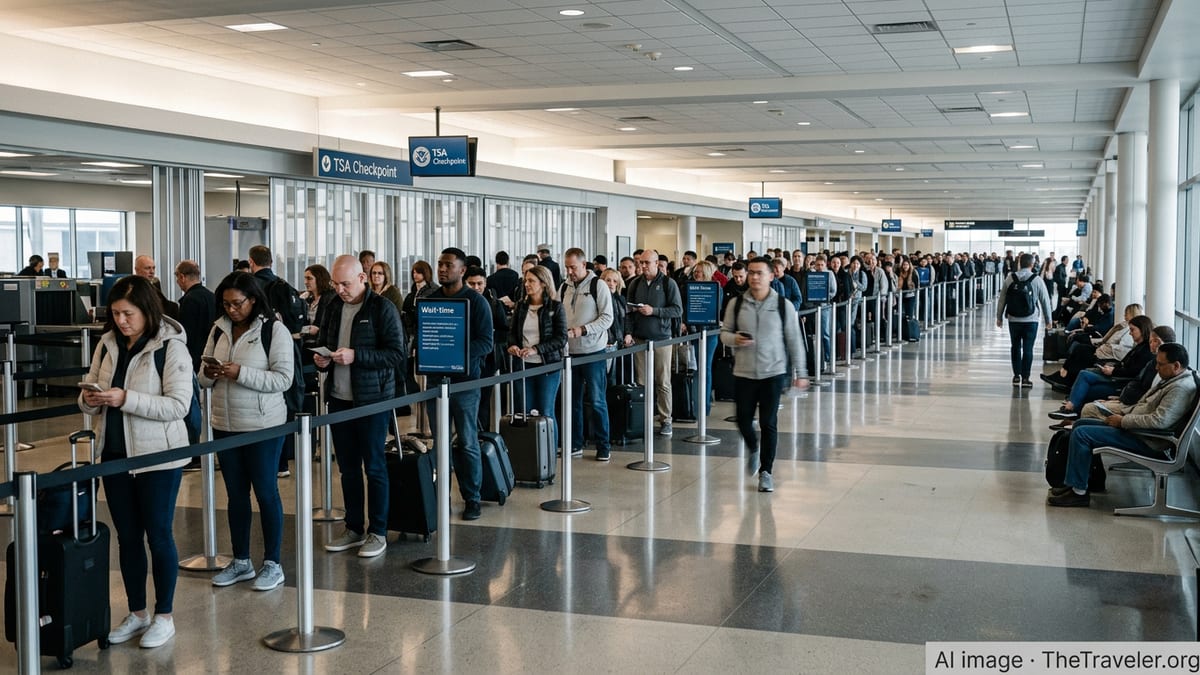
Passengers reported queues stretching through terminals at Heathrow and Gatwick, with some travelers facing overnight stays in airports or being forced to arrange last-minute accommodation at their own expense while waiting for rebooked flights.
What Went Wrong in the Air Traffic Control System
According to publicly available information, the disruption began when a key flight plan processing system at NATS experienced a failure, forcing controllers to switch to manual handling of flight data. This sharply reduced the rate at which traffic could be safely managed, triggering an immediate wave of delays and cancellations.
NATS confirmed that the problem was linked to a glitch in software used to process flight plans, but stated that the root cause was separate from an August 2023 failure that also led to a widespread shutdown of automated systems. In both incidents, however, the impact was magnified because controllers had to validate and enter flight information manually, a significantly slower process.
Historic documents from the UK Civil Aviation Authority on the 2023 outage highlight how a single anomalous flight plan could trigger cascading issues in the system if not correctly handled, prompting an independent review and recommendations on resilience. The latest breakdown has revived debate over whether those recommendations were fully implemented and whether further technical safeguards are required.
Transport policymakers have requested a rapid initial report into the latest glitch, while NATS has publicly reiterated that there was no indication of a cyberattack and that the system was restored once the faulty component was isolated.
Impact on Airlines and Passengers
Published coverage indicates that British Airways was among the worst affected carriers, given its heavy reliance on London Heathrow. Hundreds of BA short-haul flights were canceled over the two days, with ripple effects spilling into long-haul schedules as aircraft and crews ended up in the wrong locations.
Low-cost carriers operating from Gatwick, Stansted and regional airports also faced substantial disruption. Reports note that Ryanair and Wizz Air both canceled dozens of services and warned of continuing knock-on effects as aircraft rotated through their European networks, affecting passengers far from UK territory.
Consumer reports describe passengers sleeping on terminal floors for successive nights, struggling to obtain clear information about rebooking options or statutory compensation rights. Some travelers reported being advised to return home and await updates online, while others were handed hotel and meal vouchers that did not fully cover costs in peak-season cities and resort destinations.
UK and EU compensation rules generally require airlines to assist passengers with re-routing, meals and accommodation, but exemptions can apply when disruption is linked to extraordinary circumstances beyond the carrier’s direct control. Legal specialists quoted in previous episodes of air traffic disruption note that whether a NATS system failure counts as such an extraordinary circumstance often becomes a point of dispute between passengers and airlines.
Mounting Political and Industry Pressure on NATS
The recurrence of severe flight disruption linked to air traffic control technology has intensified scrutiny of NATS, the partly privatised provider responsible for managing UK airspace. Reports indicate that the company’s chief executive has been summoned to meet the transport secretary, with a request to deliver a detailed technical explanation and timeline for remedial action.
Industry reaction has been particularly sharp. Leading airline executives, including senior figures at Ryanair and Wizz Air, have publicly questioned the robustness of NATS systems and suggested that leadership changes should be considered if repeated outages cannot be prevented. Some carriers argue that UK passengers and airlines are bearing significant financial and reputational damage from failures in infrastructure they do not control.
Regulatory bodies are also under pressure. Earlier documents from the Civil Aviation Authority’s review of the 2023 outage called for improved stress-testing and contingency planning, including better communication with airlines and passengers during systemic failures. The recurrence of large-scale disruption is likely to prompt questions in Parliament about whether regulatory oversight has been sufficiently stringent and whether further investment or structural reform is required.
As peak travel periods continue through late summer, aviation analysts warn that confidence in the resilience of UK air traffic management could be undermined if passengers perceive that major breakdowns are becoming more frequent. Some industry commentators are calling for greater transparency around system architecture, backup capacity and the pace of modernisation programs.
Lingering Backlogs and Advice for Travelers
Despite the restoration of core systems, the practical impact for travelers is expected to linger. Airlines are focusing on clearing stranded passengers and rebalancing aircraft rotations, which may result in short-notice timetable changes or last-minute aircraft swaps over the coming days.
Travel experts cited in media coverage advise passengers due to fly to or from the UK this week to monitor their bookings closely via airline apps and official websites, rather than relying solely on airport departure boards. Same-day schedule adjustments remain possible as carriers address pockets of congestion in their networks.
Travelers are also being urged to retain receipts for any additional expenses such as accommodation, meals or alternative transport, as these may be useful when submitting claims to airlines or travel insurers. Past analyses of similar disruption events in 2023 suggest that clear documentation and prompt communication with carriers improve the chances of recovering at least part of the outlay.
With investigations now underway, the latest episode of air traffic control failure is likely to feed into a broader reassessment of how the UK manages the intersection of ageing infrastructure, rising passenger volumes and growing expectations of reliability. For many stranded travelers this week, the immediate priority remains far more basic: finding a seat on the next available flight home.
Insurance Journal: UK Flight Chaos Spills Into Second Day After Tech Outage
The Guardian: NATS boss summoned as flight chaos enters second day
The Independent: Second day of travel chaos as NATS boss to face transport secretary
Sky News: UK airports latest after air traffic control failure