


More news on this day
Flight delays and cancellations rippled across parts of the UK on Monday after a technical issue at NATS’ Prestwick air traffic control centre disrupted operations affecting Scotland, Northern Ireland and the north of England, marking the second systems problem this month.
Get the latest news straight to your inbox!
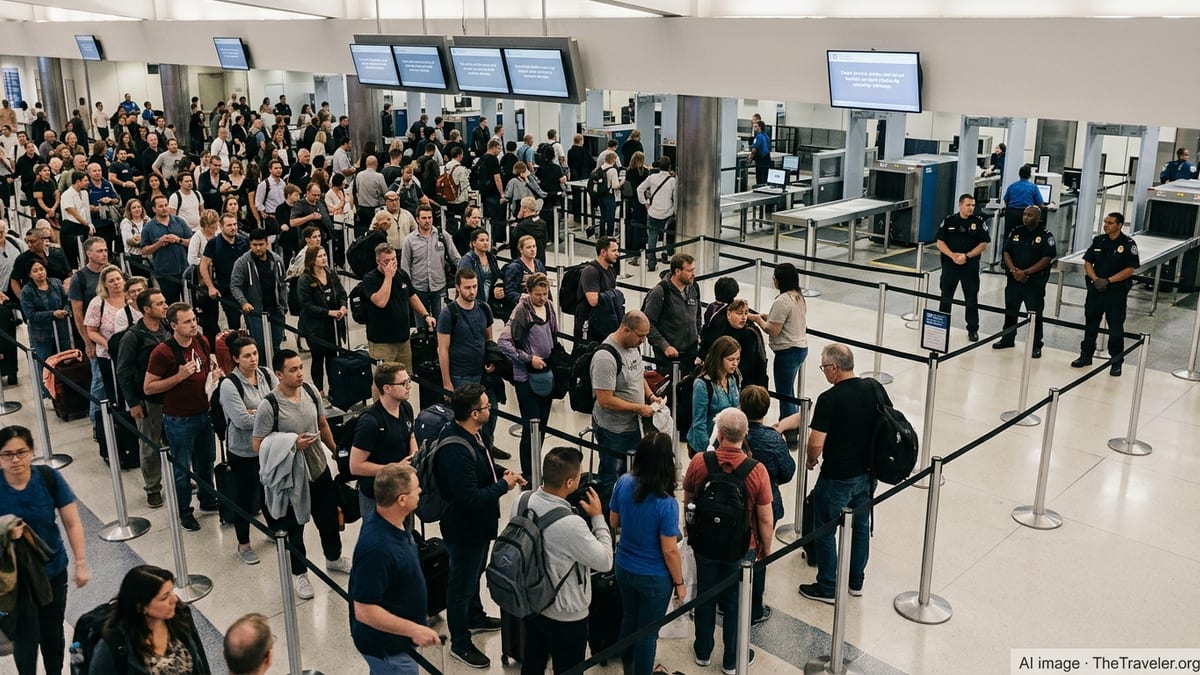
What happened, and which airports saw disruption
Published coverage indicates the latest disruption began early Monday, September 21, when NATS reported a technical issue at its Prestwick centre in Scotland. NATS later said the problem was fixed and that work was continuing with airlines and airports to lift remaining traffic restrictions safely, with knock-on delays expected to persist through the day.
While Prestwick is itself an airport, the Prestwick centre is also a major air traffic control facility with responsibilities that extend beyond one airfield. As a result, the disruption was reflected at multiple airports, with reports highlighting Edinburgh Airport, Manchester Airport, Belfast International, and George Best Belfast City among those seeing some of the most significant delays and cancellations.
By late afternoon Monday, published flight-analytics reporting showed more than 200 UK flights had been cancelled, with dozens more delayed. Even where flights operated, schedules were affected by earlier flow restrictions and aircraft and crew being out of position.
NATS points to a connectivity issue, separate from earlier September outage
NATS described Monday’s incident as a connectivity issue affecting part of its systems network at Prestwick, and said it was unrelated to the earlier disruption this month. That distinction matters for travelers trying to understand whether the UK is facing a single ongoing problem or separate failures within different parts of the national air traffic system.
The earlier September incident centered on the London Area Control Centre and triggered nationwide restrictions as systems were restarted and flight data reloaded. NATS has published a preliminary report on that September 8 event describing a software defect that emerged extremely quickly, leading to widespread cancellations and a multi-day recovery for airlines and airports.
Monday’s outage, by contrast, was linked to the Prestwick centre and appeared to have a more regional footprint, with most reported impacts concentrated on flights to and from Scotland, Northern Ireland, and northern England. Even so, the episode has renewed scrutiny of resilience and redundancy in UK air traffic infrastructure after two disruptive events in the same month.
Airlines and passengers face familiar knock-on effects
For passengers, the most immediate impact was uncertainty: airport and airline advisories urged customers to check flight status before leaving for terminals. Airports also cautioned that even after the technical issue was resolved, delays could continue as departure slots were managed and schedules were rebuilt.
Airlines operating heavy short-haul networks through affected regions were particularly exposed to a cascading effect, where one delayed sector can disrupt aircraft rotations for the rest of the day. That dynamic often leads to later cancellations when crews time out or aircraft miss scheduled overnight parking positions, and it can also drive congestion at customer service desks as rebooking demand rises.
Published airline commentary around the latest disruption also points to growing tension between carriers and the air traffic provider after repeated operational shocks. While airlines can sometimes absorb localized disruptions, two system-wide events within weeks increases the risk of wider network disruption, especially at the start of the week when aircraft utilization tends to be high.
What travelers should do next, and what to expect on compensation
Travelers with flights to or from affected airports on September 21 were widely advised in published airport updates to confirm status directly with their airline and to monitor updates through the day. Because disruption can spill into later rotations, passengers on evening services were also urged to keep checking even if earlier flights appeared to be improving.
For those already at the airport, practical disruption planning remains important: keep boarding passes and receipts, document delay and cancellation notifications, and confirm rebooking details before leaving secure areas. If traveling with checked luggage, travelers may also want to verify how their airline is handling bag delivery if rerouting involves overnight stays or transfers onto different carriers.
On passenger rights, the applicable rules depend on itinerary and carrier, but UK and EU-style consumer protections typically require airlines to provide “care and assistance” such as meals and accommodation during lengthy delays and cancellations within their control, and to arrange rerouting or refunds when flights are cancelled. Whether additional compensation is due can hinge on the disruption’s cause, and air traffic control restrictions are often treated differently than airline-caused delays. Travelers should check their airline’s guidance and the relevant passenger-rights framework for their booking.
Why this month’s incidents are drawing heightened scrutiny
Two disruptive incidents in September have raised questions about operational resilience at a time when UK air travel remains heavily schedule-driven and sensitive to capacity constraints. Industry observers have noted that even when a technical fault is resolved quickly, the downstream effects can be severe because traffic flow management and aircraft positioning are tightly interlinked across UK and European networks.
The September 8 outage prompted significant disruption across the UK and led to renewed focus on how quickly flight plans and traffic restrictions can be managed during a systems restart. Monday’s connectivity issue, even if smaller in scope, has added to concerns that repeated outages can erode passenger confidence and create recurring operational costs for airlines.
With the latest disruption occurring on Monday, September 21, and the earlier widespread outage on Monday, September 8, the back-to-back nature of the events has sharpened attention on technical redundancy, contingency procedures, and the ability of airlines and airports to recover quickly when air traffic restrictions are introduced at short notice.