


More news on this day
Flights across the United Kingdom are gradually returning to normal after a major air traffic control systems failure at NATS triggered thousands of cancellations and delays, leaving passengers stranded at airports and on aircraft on Tuesday 8 September.
Get the latest news straight to your inbox!
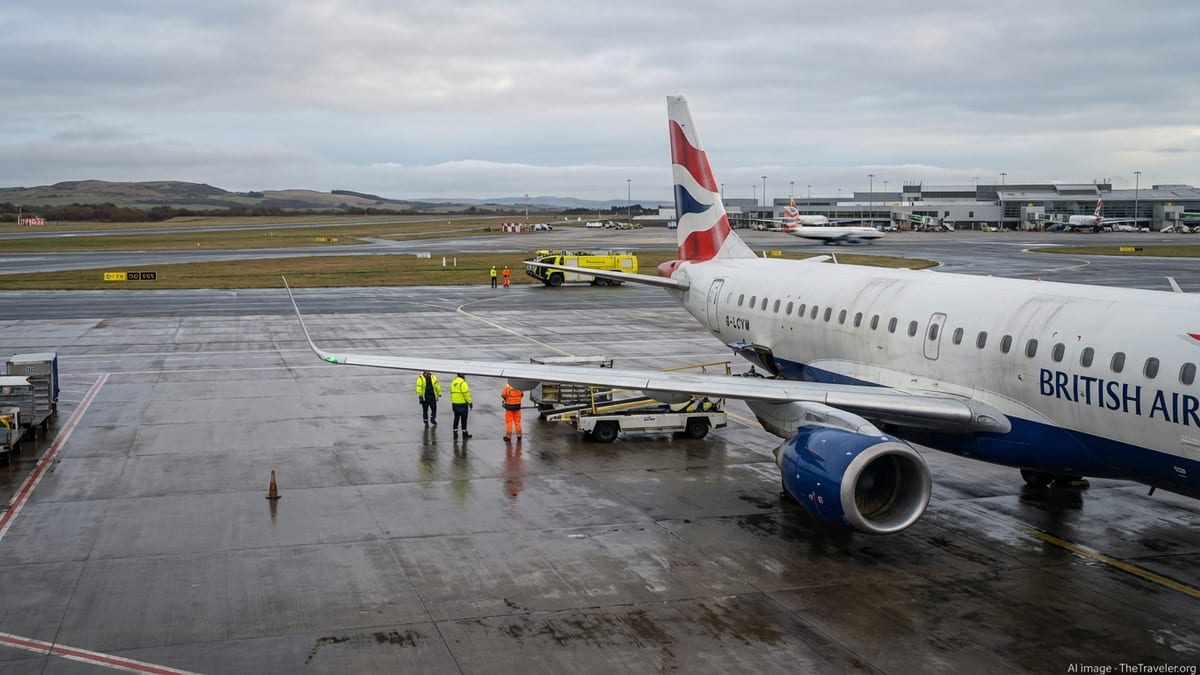
Major system fault halts departures across key UK airports
According to published coverage, a technical problem within the National Air Traffic Services (NATS) flight processing system on 8 September disrupted departures at many of the UK’s busiest airports, including Heathrow, Gatwick, Stansted, London City, Manchester, Birmingham, Bristol, East Midlands, Edinburgh and Aberdeen. Reports indicate that the issue prevented normal handling of flight plans, forcing traffic controllers to restrict movements and causing widespread knock-on delays.
Flight-tracking data cited in multiple outlets shows that more than 1,000 flights were cancelled on Tuesday alone, with later estimates suggesting around 1,300 to 2,000 cancellations and many more delays across UK and Irish airports as schedules unraveled. The disruption affected both short-haul and long-haul services, with aircraft and crews left out of position and many passengers facing extended waits in terminals and on board parked aircraft.
Coverage from UK and European media notes that NATS implemented a technical fix by late afternoon on 8 September, allowing the core system to resume normal operation. However, with aircraft displaced and evening rotations already affected, airlines and airports warned that recovery would continue into subsequent days as they worked to reassemble schedules and reposition crews.
Knock-on delays continue as airlines rebuild schedules
Despite the restoration of the NATS system, recovery across the network has not been immediate. Travel industry reporting and airport updates indicate that hundreds of flights were cancelled or heavily delayed on Wednesday 9 September as carriers continued to work through backlogs. Issues such as crew duty limits and aircraft being stranded at outstations contributed to ongoing disruption, particularly on complex multi-leg networks.
Some airports, including Birmingham and Dublin, reported that they were operating close to a full schedule by Wednesday, but they also cautioned that further delays and isolated cancellations remained possible while the system reset. Passengers were repeatedly advised via public updates to follow guidance from their airlines, check mobile apps and airport websites, and allow extra time at the airport in case of congestion at check in and security.
Reports from passenger forums and social media highlight long queues at rebooking desks, busy customer service lines and difficulty accessing baggage after flights were cancelled at short notice. In some cases, travellers described overnight stays at or near airports while waiting for alternative flights. Airlines have been prioritising stranded passengers, but high load factors at the tail end of the summer travel period have limited the availability of spare seats.
Regulator outlines passenger rights after mass disruption
Following the incident, the UK Civil Aviation Authority (CAA) issued a statement setting out what compensation and care passengers can expect in the wake of the NATS failure. Publicly available information from the regulator explains that travellers whose flights were cancelled or significantly delayed retain rights to rerouting or refunds, as well as to assistance such as meals and accommodation where appropriate.
The CAA has also confirmed that the UK government has requested an independent review into the disruption, with a remit to examine the cause of the technical failure and assess the resilience of NATS’s systems. The review is expected to consider how quickly contingency plans were activated, the adequacy of communication with airports and airlines, and whether further investment or procedural changes are required to reduce the risk of similar incidents.
Airline and consumer groups are drawing comparisons with a previous major NATS outage in August 2023, when a separate flight-plan processing failure led to widespread cancellations across the UK. Industry commentary suggests that the latest event will renew scrutiny of the robustness of Britain’s air traffic control infrastructure and raise questions about whether lessons from earlier failures have been fully embedded.
NATS rules out cyberattack as cause of latest failure
Financial and aviation media coverage notes that the latest issue has been attributed to a fault in NATS’s flight processing system, the core technology used to manage and sequence aircraft movements in UK airspace. Reports indicate that the problem related to the handling of flight plans rather than radar or communications equipment, prompting restrictions on the number of departures that could safely be processed at once.
Published updates from NATS and detailed reporting by business outlets state that the disruption has not been linked to a cyberattack. Instead, initial indications point to a system fault that required engineers to apply a software fix and then carefully reintroduce normal traffic levels to ensure safety. The precise technical cause has not yet been fully outlined in public, and further detail is expected as part of the forthcoming independent review.
Analysts note that any issue affecting the central flight processing system can have immediate effects across multiple airports, given the integrated nature of UK and European airspace management. Even a relatively short outage can result in hours of disruption, as missed slots, displaced aircraft and crew scheduling constraints ripple through the network.
What passengers flying this week should do
With the core technical problem resolved, airlines are focused on restoring normal operations in the days following the incident. Travel industry bulletins suggest that most UK departures and arrivals are now operating, but that passengers should still anticipate the possibility of residual delays, particularly on routes that experienced multiple cancellations on 8 and 9 September.
Airports and airlines continue to direct travellers to check the status of their flight before leaving for the airport, using official airline websites, mobile apps and direct notifications rather than relying solely on third party trackers. Passengers whose flights are cancelled are being encouraged to explore alternative departures, including from nearby airports, and to keep records of additional expenses in case they are eligible to claim reimbursement under air passenger rights rules.
Consumer organisations advise that affected travellers should familiarise themselves with the CAA’s published guidance on refunds, rerouting and care, as rights can differ depending on whether a disruption is considered within the airline’s control. While the full classification of the 8 September event may take time to clarify, experts expect that carriers will at a minimum be responsible for providing assistance such as meals and accommodation to passengers left stranded by cancellations.
Associated Press coverage of the NATS disruption
Euronews report on UK airport flight cancellations