


More news on this day
The United Kingdom has updated its travel advice for Saudi Arabia amid heightened security risks in the Gulf, just as airlines and regulators prolong flight suspensions and airspace warnings across the region, creating fresh uncertainty for passengers with upcoming trips.
Get the latest news straight to your inbox!
Stronger UK guidance for travel to Saudi Arabia
Newly updated Foreign, Commonwealth and Development Office guidance for Saudi Arabia places greater emphasis on the security implications of the conflict affecting parts of the Gulf and Red Sea. The advice highlights the risk from missile and drone activity linked to regional tensions and calls attention to the vulnerability of aviation and critical infrastructure.
Publicly available government information stresses that British nationals should be prepared for sudden flight cancellations, temporary airspace closures and broader disruption to travel plans. The guidance notes that since July 2026, air strikes and attacks on shipping have targeted areas in and around Saudi territory, prompting periodic operational restrictions at airports.
The UK update reiterates longstanding cautions around travel near the Yemen border and sensitive security locations, but now ties those risks more explicitly to the wider regional conflict and its knock-on effects on civil aviation. Travellers are encouraged to keep itineraries under constant review and check whether their insurance remains valid if they choose to enter areas covered by heightened warnings.
Similar language appears in revised UK travel pages for other Gulf states, including Qatar and Kuwait, underscoring that the government sees the latest developments not as a Saudi-specific issue but as part of a broader pattern of instability across the region’s airspace.
Airlines prolong suspensions and reroute Gulf services
While the UK advice focuses on security and contingency planning, airlines are extending their own operational measures. Coverage in Gulf-based media indicates that multiple carriers have prolonged suspensions or reductions of flights across the Gulf in response to the evolving situation, particularly on routes transiting higher-risk air corridors.
Reports show that Qatar Airways has extended a temporary suspension of some passenger services in the region, alongside schedule changes by Emirates, Etihad, Air Arabia and other Gulf carriers. These moves add to earlier decisions by European airlines to halt or curtail flights to certain Middle Eastern destinations as tensions escalated.
Recent aviation reports also describe selective route cancellations and capacity cuts by European and Asian airlines serving cities such as Dubai, Riyadh and Kuwait City. In some cases, airlines are offering rebooking options via alternative hubs, while in others they are granting refunds to passengers on affected services.
For travellers departing the UK, the extended suspensions mean that even journeys not directly involving Saudi Arabia can be affected. Passengers relying on Gulf hubs for onward connections to Asia or Africa may face longer routings, fewer frequencies and late-notice changes as carriers adjust to airspace restrictions.
Regulators extend Gulf airspace safety warnings
The airline actions are unfolding alongside renewed regulatory guidance on Gulf airspace. The European Union Aviation Safety Agency has recently extended its conflict zone advisory covering the airspace over the United Arab Emirates, Bahrain, Qatar, Kuwait and parts of the Gulf of Oman, maintaining its warning into late August.
The advisory, outlined in publicly available EASA documents and regional aviation coverage, points to the continuing risk from military activity, including potential missile and drone operations, air defence responses and the danger posed by falling debris. Airlines are urged to conduct their own risk assessments and consider avoiding or minimising exposure to the affected airspace.
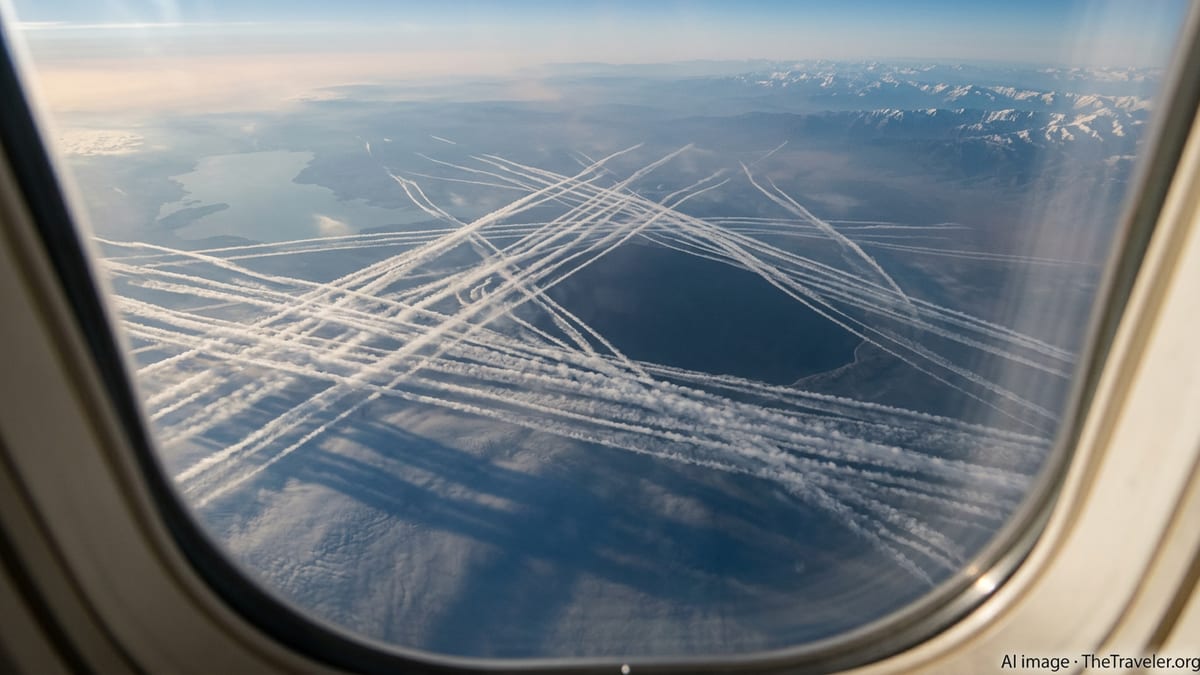
Travel security bulletins circulated in recent weeks note that Saudi airspace remains one of the key east–west corridors still available for commercial traffic, which has increased pressure on the country’s aviation authorities and carriers to manage complex rerouting demands. Operational analysis from consultancy and industry sources describes unprecedented strain on regional air traffic control as flows are funnelled away from higher-risk zones.
These factors help explain why carriers with no direct services to conflict areas are nevertheless prolonging or expanding their suspensions and diversions. In effect, the Gulf’s role as a global transit hub means that any regional airspace restriction can reverberate across long-haul networks serving Europe, Asia and Africa.
Knock-on effects for UK travellers and the Hajj and Umrah market
The UK’s updated advice arrives at a sensitive time for religious travel. Saudi Arabia hosts large numbers of British visitors for Hajj and Umrah, and low-cost and full-service airlines have in recent years expanded capacity to Jeddah, Madinah and other gateways to meet demand.
Passenger experiences shared on travel forums in recent weeks describe cancellations of budget flights from the UK to Saudi Arabia and the need to rebook, often at short notice, on indirect services via Doha or other hubs. Travellers report adjusting itineraries and in some cases facing delays in refunds from carriers or intermediaries after schedules were curtailed or routes withdrawn.
Industry observers note that suspended or reduced services from certain European and UK-based airlines may tighten capacity on remaining routes, particularly during peak pilgrimage seasons and school holidays. That could translate into higher fares and limited availability on days when travel demand is strongest.
The situation underscores the importance for UK travellers of building flexibility into plans. Travel specialists advise allowing longer connection times, considering alternative departure points within the UK, and checking whether package operators or travel agents offer additional protection and support when airlines change schedules at short notice.
What travellers should monitor in the coming weeks
With official advice tightened and airline suspensions extended, the immediate outlook for Gulf aviation remains fluid. Analysts following the sector suggest that any easing of restrictions is likely to depend on a sustained reduction in regional military activity and a corresponding shift in regulators’ risk assessments.
In the meantime, travellers are encouraged by publicly available guidance to track several key signals: updates from the UK government’s foreign travel pages, revisions to EASA conflict zone advisories, and new statements from major Gulf and European carriers about schedule changes or waivers.
Insurance conditions are another critical factor. Policy documents often specify that cover may be limited or invalidated when travellers enter areas subject to strong government warnings. Prospective visitors to Saudi Arabia and neighbouring states are therefore urged to confirm the terms of their coverage and seek written clarification where necessary.
For now, the combination of strengthened UK travel advice and prolonged airline suspensions points to an extended period of uncertainty for those planning journeys through the Gulf. While flights continue to operate on many routes, passengers may need to accept a higher level of disruption and remain ready to adjust their plans as the situation develops.