


More news on this day
The US Embassy in Israel has issued a security alert urging Americans to exercise heightened vigilance following a fresh round of Houthi attacks targeting Saudi Arabia, a development that has heightened concerns about rapid escalation and knock-on travel disruptions across the region.
Get the latest news straight to your inbox!
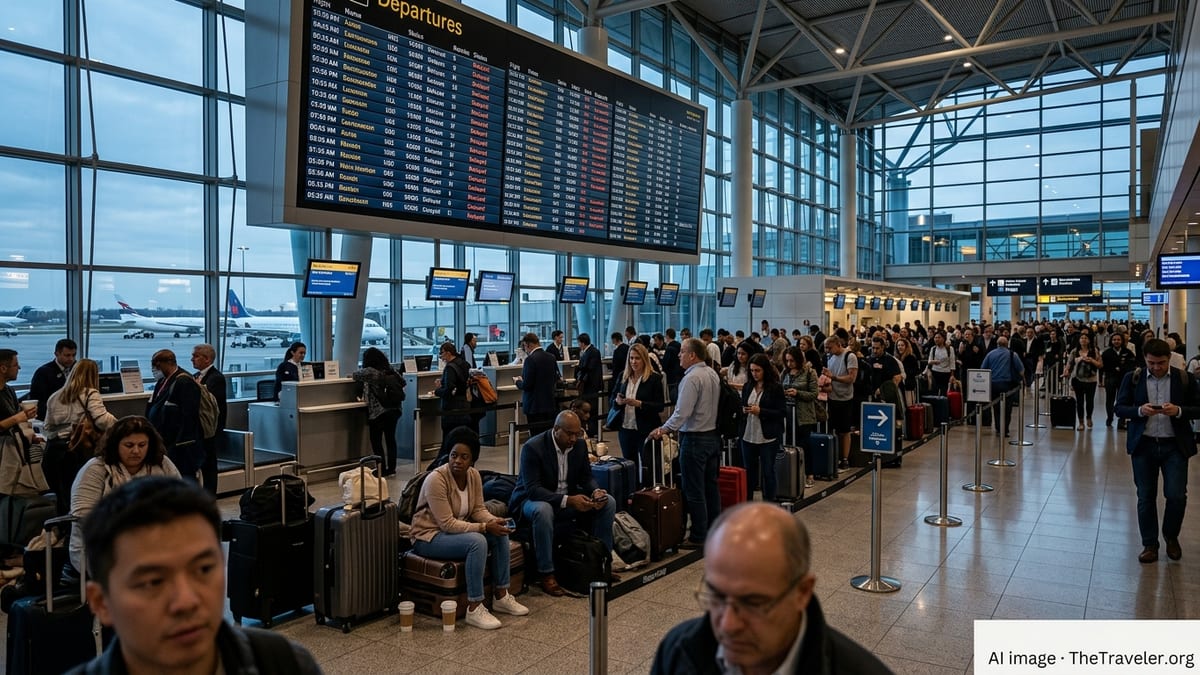
What the US Embassy alert says for travelers in Israel
Publicly posted guidance from the US Embassy in Israel points travelers to a familiar set of near-term risks: potential flight cancellations, sudden airspace closures, and broader transportation disruptions that can ripple across the region even when incidents occur outside Israel’s borders.
The alert’s language emphasizes situational awareness for Americans already in Israel as well as those transiting through the country. The message is framed around uncertainty and speed, noting that the security environment can shift quickly when regional military activity intensifies.
The embassy indicated its operations in Jerusalem and its branch office in Tel Aviv were continuing as normal at the time of the alert, while still advising travelers to monitor airline and airport updates closely.
Why Houthi strikes on Saudi Arabia are driving regional warnings
The embassy alert follows published coverage of renewed fighting involving the Iran-aligned Houthis in Yemen and Saudi-led forces backing Yemen’s internationally recognized government. Reports over the past several days have described attacks involving missiles and drones aimed at multiple locations in Saudi Arabia, including activity reported around Riyadh and other areas.
Saudi statements described the interception of a ballistic missile fired toward Riyadh, with reports indicating residents observed smoke and fire in the vicinity of King Khalid International Airport. Separate published coverage has also described incidents involving drones and debris, including reports of casualties linked to falling debris after interceptions.
Regional outlets and international coverage have also described claims of strikes on energy-related sites, adding to concerns that incidents could affect critical infrastructure as well as civilian areas. For travelers, the practical impact is often less about the specific target and more about the downstream effect on aviation, airport operations, and route planning.
What this can mean for flights, airports, and connections
Even when attacks occur in one country, air routes in the Middle East can be adjusted quickly as airlines respond to security risks, notices to air missions, and operational constraints. The US Embassy alert highlights this reality by explicitly flagging possible airspace closures and flight cancellations.
In the latest episode, published coverage referenced disruptions affecting Riyadh’s airport, including delays and cancellations. For travelers in Israel, that matters because regional carriers frequently rely on interconnected schedules and shared aircraft rotations, and because route changes can cascade into missed connections across hubs in the Gulf and beyond.
Travelers should expect that airlines may reroute to avoid certain corridors, which can increase flight times, change departure slots, or trigger last-minute equipment swaps. Those shifts can also affect baggage transfer times and same-day onward itineraries even when the original ticket does not include Saudi Arabia.
How this intersects with existing Israel travel guidance
The embassy’s alert lands against a backdrop of ongoing, standing US travel guidance for Israel, the West Bank, and Gaza that already urges elevated caution and careful planning. Publicly available US government travel information includes location-based restrictions for US government personnel and advises visitors to stay aware of changing security conditions.
For Americans traveling within Israel, the practical takeaway is to keep plans flexible and build in time buffers, particularly on travel days tied to major transit points. Travelers moving between Jerusalem and Tel Aviv, or connecting to flights out of Ben Gurion Airport, may want to factor in the possibility of sudden schedule changes driven by regional events.
US government travel information also encourages travelers to use official alert channels, including enrolling in the Smart Traveler Enrollment Program to receive security messages. For visitors on short stays, these alerts can be a key source of timely updates when conditions change overnight.
Practical steps travelers can take right now
For Americans currently in Israel or preparing to travel, the most useful immediate step is to monitor airline communications and airport status updates, particularly for itineraries that connect through Gulf hubs or involve carriers with heavy regional networks. When disruptions occur, airlines typically rebook based on available seats and operational constraints, and earlier action can improve options.
Travelers with tight connections should consider proactive adjustments such as selecting longer layovers, confirming whether ticketed itineraries allow same-day changes, and keeping essential items in carry-on luggage in case checked bags are delayed during reroutes.
Given the possibility of fast-moving developments, travelers may also want to review travel insurance terms for trip interruption and delay coverage, and ensure they have a workable contingency plan that does not depend on rapid consular assistance, especially if they plan to move between multiple countries on a single trip.