


More news on this day
U.S. government travel to the Mexican border city of Nogales, Sonora, has been sharply curtailed after a recent security alert citing unspecified threat information, prompting new scrutiny of an already high-risk crossing for American travelers.
Get the latest news straight to your inbox!
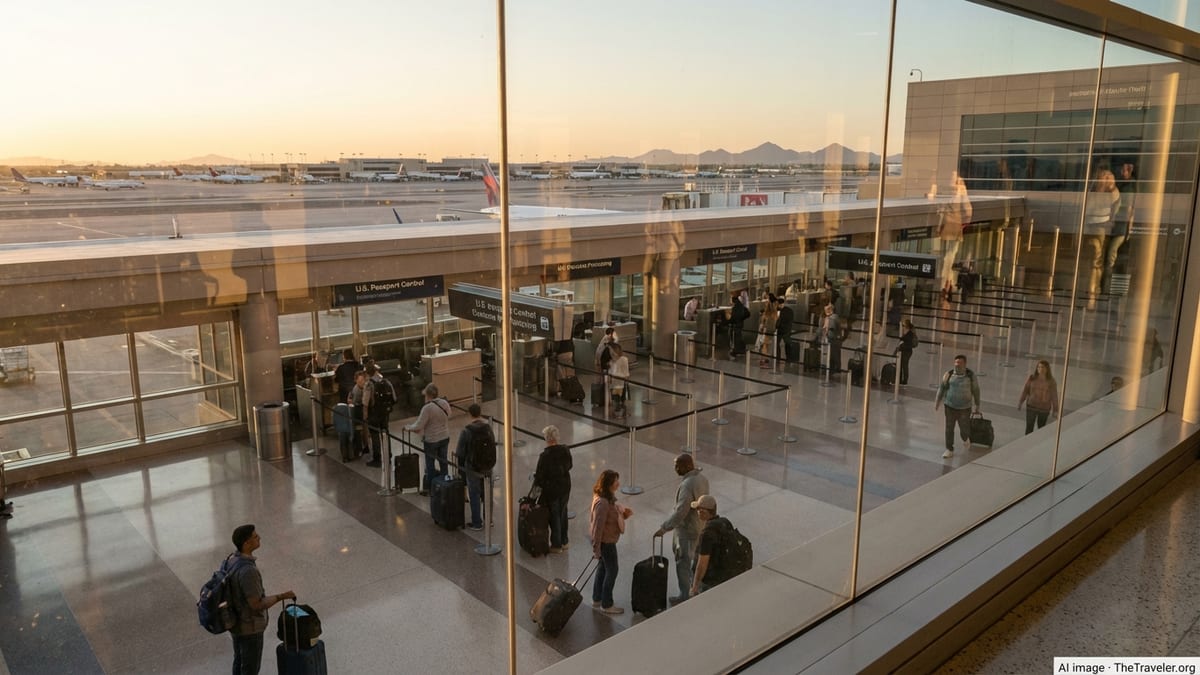
Daylight-Only Movement as Threat Triggers New Limits
Publicly available information from the U.S. Mission in Mexico shows that, as of September 5, 2026, U.S. government activities in, and travel to, Nogales are restricted to essential movement during daylight hours only. The change follows what is described as threat information affecting the city, though the nature of the threat has not been disclosed.
The alert, carried in official security messaging and subsequent summaries for U.S. citizens, urges individuals in the area to exercise increased caution, remain aware of their surroundings, and be prepared to seek shelter in the event of an incident. It also encourages travelers to monitor local media for updates and to keep family and friends informed of their safety status.
The move effectively tightens an already cautious posture in Sonora, which is classified under a Level 3 “Reconsider Travel” advisory for U.S. citizens. Recent guidance distributed through congressional offices and consular channels reiterates that the new restrictions apply specifically to U.S. government personnel but may be used as a reference point by private travelers assessing their own risk tolerance.
While commercial crossings between Nogales, Arizona, and Nogales, Sonora, remain open, the stepped-up precautions for official travelers highlight ongoing concerns about criminal activity along critical border corridors.
Longstanding Concerns in Sonora’s Border Region
The latest measures build on a broader framework of security guidance for Sonora, where U.S. advisories have for years highlighted the risk of crime on highways and in certain urban areas. Country-level travel information indicates that violence and criminal activity can occur throughout the state, and that U.S. government employees face additional restrictions in several municipalities, including Nogales.
Prior to the current alert, U.S. government personnel were already required to follow specific rules when traveling between Nogales and the state capital, Hermosillo, including limiting trips to daylight hours and using Federal Highway 15. Guidance has also restricted the use of taxis, public buses, and ride-hailing services in Nogales, reflecting concerns about opportunistic crime and targeted incidents along local routes.
These longstanding measures are part of a patchwork of route-specific and city-specific conditions that apply to official travelers in Sonora, from Puerto Peñasco on the Gulf of California to border cities such as Agua Prieta and Cananea. The new alert in Nogales fits into that pattern, adding a further layer of daytime-only and essential-movement-only requirements over and above previously published limitations.
For leisure travelers, the advisory framework does not impose binding rules but signals that risk assessments used for government staff reflect broader security dynamics that can affect visitors, cross-border shoppers, and business travelers.
Mexican Authorities Acknowledge Alert but Report No Corroborated Threat
Regional media coverage in Mexico reports that state-level security officials in Sonora have acknowledged the U.S. alert but say they have not received detailed information identifying a specific threat in Nogales. Statements summarized in local outlets indicate that the state’s security coordination board has pledged to maintain patrols and preventive operations in the border city while monitoring the situation.
Reports in national and regional news describe a degree of asymmetry between the security posture adopted by the United States and the information made available to local authorities. While U.S. alerts refer to threat information as the basis for restrictions, Mexican officials quoted in press accounts indicate that they do not have independent data confirming a concrete risk scenario.
Despite that gap, state authorities have publicly emphasized continued vigilance in Nogales and elsewhere in Sonora. Coverage suggests that officials intend to keep security operations active along key routes and in urban areas that see regular cross-border movement, particularly as attention focuses on the Nogales port of entry and surrounding neighborhoods.
The difference in information flows between the two governments is not unusual in border security matters, but it can add to uncertainty for travelers who follow both U.S. and Mexican official channels when planning trips.
What the Alert Means for Cross-Border Travelers
The current restrictions technically apply only to U.S. government personnel, yet they offer a fresh reference point for private travelers weighing visits to Nogales. Travel advisories for Sonora already recommend reconsidering nonessential trips, and the new security alert specifically underlines heightened caution in the Nogales area.
Travel guidance circulated by U.S. offices and media summaries encourages individuals who choose to visit Nogales to remain alert, avoid unnecessary stops, and be prepared to adjust plans if local conditions change. Visitors are advised in publicly available materials to monitor official alert channels, enroll in traveler information programs where possible, and stay updated through local news outlets on both sides of the border.
Cross-border movement for shopping, medical appointments, and family visits continues, but observers note that sudden changes in security posture for government employees can quickly influence public perception. Travelers who frequently cross through Nogales may therefore find it useful to review current advisories and route-specific guidelines, particularly those that highlight the risks of night travel or the use of informal transport services.
For those planning trips deeper into Sonora, the alert in Nogales underscores the importance of understanding state-level conditions as well as localized restrictions, since changes in one border city can signal broader security concerns along key highways and regional hubs.
Monitoring a Fluid Situation Along a Key Border Crossing
As of early September 2026, there is no publicly detailed timeline for when the United States might ease the newly announced restrictions on government travel in Nogales. Previous security operations in other parts of Mexico have sometimes involved a series of updates over days or weeks before postures returned to normal.
Travel analysts point out that Nogales remains an essential crossing point for trade and personal travel between Arizona and Sonora, meaning that both U.S. and Mexican authorities have incentives to manage risk while keeping legal cross-border flows moving. Any prolonged period of elevated alerts is therefore likely to draw sustained attention from regional media and from travelers who rely on the route.
For now, the combination of a Level 3 advisory for Sonora and a specific security alert for Nogales serves as the clearest indicator of current U.S. risk assessments in the area. Travelers are encouraged, through publicly available advisories and consular communications, to revisit their plans, evaluate whether their trips are essential, and consider daytime travel patterns that mirror those required of government staff.
With details of the underlying threat still undisclosed, observers expect that the situation around Nogales will continue to be closely watched by residents, visitors, and cross-border communities on both sides of the line.
U.S. Embassy & Consulates in Mexico: Security Alert for Nogales
U.S. State Department Mexico Travel Advisory
Press summary: Vital Information for U.S. Citizens Traveling in Nogales
Aristegui Noticias: Sonora authorities on Nogales alert
El País: U.S. restricts travel to Nogales over unspecified threat