


More news on this day
The United States has updated its travel warning for Jamaica, easing the overall advisory for the popular Caribbean destination while drawing fresh attention to violent crime, health care limitations, and neighborhood-specific restrictions that travelers are being urged to review before booking trips.
Get the latest news straight to your inbox!
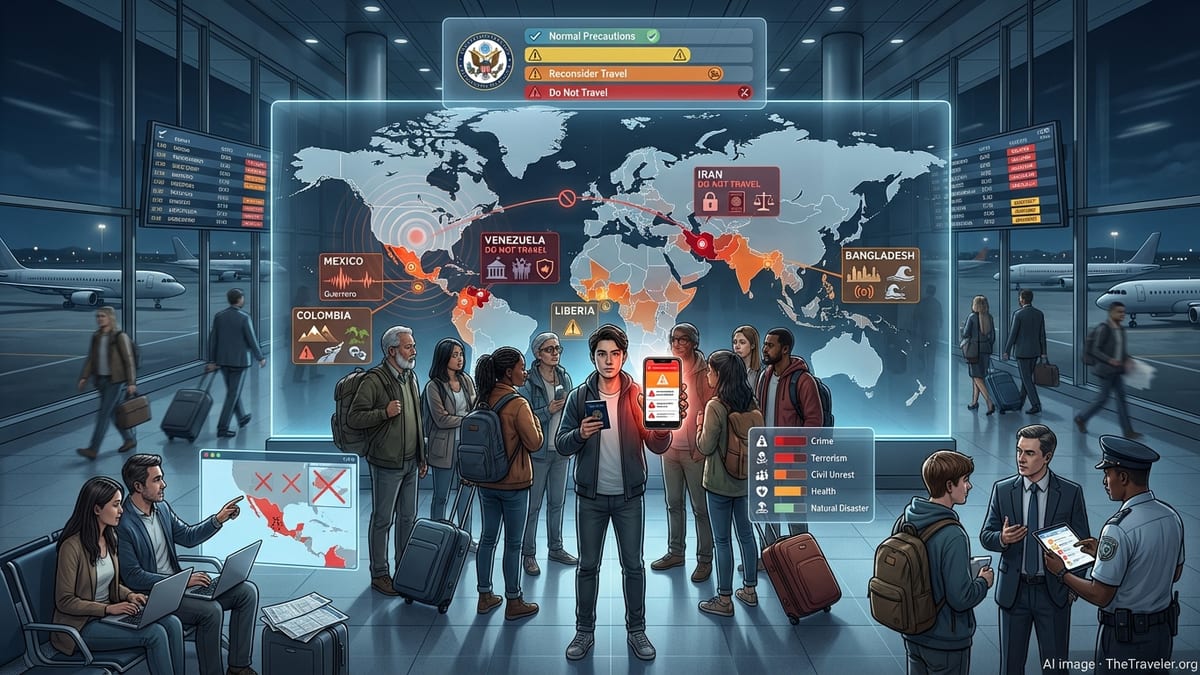
From ‘Reconsider Travel’ To ‘Exercise Increased Caution’
Publicly available information from the U.S. State Department shows that Jamaica’s overall travel advisory was revised on June 23, 2026, shifting the country to Level 2, or “exercise increased caution,” after more than two years at the higher Level 3 category that had encouraged travelers to reconsider trips.
The new advisory keeps crime and health concerns at the center of U.S. guidance, but the change in level signals that the overall risk assessment has moderated compared with January and July 2024, when a series of Level 3 notices focused sharply on violent crime and strain on local medical services.
The adjustment comes as Jamaica remains one of the Caribbean’s most visited islands for U.S. travelers. Industry reports indicate that demand for Caribbean holidays has stayed strong into summer 2026, with Jamaica frequently listed among top or trending international beach destinations even during periods of heightened security messaging.
Travel analysts note that a Level 2 classification does not equate to a low-risk environment. Instead, it typically reflects that serious incidents are more localized or that mitigating measures, such as targeted policing and tourism-focused security initiatives, have shifted the balance of risk for most short-term visitors.
Crime Hotspots And Area-Specific Restrictions
While the nationwide advisory now sits at Level 2, detailed guidance continues to highlight particular pockets of concern. According to the most recent State Department overview, travelers are urged to reconsider visits to specific communities in St. Ann’s and St. Catherine’s parishes, where crime rates are described as significantly higher than national averages.
Other locations are flagged with tighter conditions for U.S. government personnel, including restrictions on movement without prior authorization in parts of Clarendon Parish. These limitations are intended to reflect local security assessments and may indirectly guide private travelers in planning where to stay and which areas to avoid, especially after dark.
The advisory notes that violent crime, including armed robbery, sexual assault, and homicide, continues to be reported across the island. Tourist zones generally experience lower rates of serious incidents compared to some residential neighborhoods, but recent summaries emphasize that crime can occur in and around resort areas, on public beaches, and at short-term rentals.
Travel risk researchers caution that travelers often underestimate the importance of neighborhood-level differences in safety. The updated U.S. guidance, which separates higher-risk communities from the national advisory level, aligns with a broader trend toward more granular travel warnings across the Caribbean.
Health Care Limits And Emergency Preparedness
Alongside crime, health considerations remain a key pillar of the Jamaica advisory. Public sources indicate that medical facilities outside major urban centers can be limited in both capacity and available specialties, and emergency response times may be slower than visitors from the United States expect.
Private hospitals typically require upfront payment before treatment, a factor that can complicate emergency care for uninsured or underinsured travelers. The travel guidance therefore continues to stress the importance of comprehensive travel insurance that includes medical evacuation coverage, particularly for visitors planning to explore rural or less developed areas of the island.
Recent health-related advisories for Caribbean destinations have also referenced seasonal pressures on hospital systems following major storms or during peak tourism periods. Jamaica’s own experience with recent hurricanes and severe weather has underscored how quickly health infrastructure and transportation links can be strained, leaving travelers temporarily cut off from routine services.
Travel medicine experts suggest that, in destinations where emergency care is uneven, visitors should prepare more thoroughly than they might for trips within North America or Europe, including carrying essential medications, confirming the nearest reputable clinic to their accommodation, and reviewing any vaccination or mosquito-borne disease recommendations ahead of time.
Tourism Demand Remains Strong Despite Warnings
Despite earlier Level 3 warnings and continuing concern over crime, Jamaica remains a mainstay of U.S. Caribbean travel. Tourism and travel trend reports for 2025 and early 2026 show robust American demand for Caribbean beach destinations, with Jamaica frequently cited alongside Mexico’s Caribbean coast, the Dominican Republic, and Aruba as a leading choice for package holidays and all-inclusive resort stays.
Sentiment surveys in key U.S. markets have repeatedly found that Jamaica scores highly as a future vacation pick, with many travelers expressing strong loyalty to the island’s resort corridors and well-known coastal towns. Analysts point out that for a significant segment of visitors, the draw of beaches, culture, and price-competitive all-inclusive stays has outweighed concerns raised by government advisories.
At the same time, tourism officials across the Caribbean have been paying close attention to shifts in U.S. travel warnings, mindful that changes in advisory levels can influence booking patterns, cruise itineraries, and airline capacity decisions. While the move from Level 3 to Level 2 is expected to be welcomed by Jamaica’s hospitality sector, observers note that lingering headlines about crime may still shape traveler perceptions.
Industry commentary suggests that hotel groups and tour operators are likely to continue emphasizing on-property security, vetted excursions, and transportation services as selling points, especially for first-time visitors who may be unfamiliar with local conditions outside the main resort areas.
Practical Advice For Travelers Planning Jamaica Trips
For travelers weighing a Jamaica vacation in light of the updated advisory, regional travel specialists recommend treating the Level 2 rating as a prompt for added vigilance rather than a deterrent. Common suggestions include carefully researching neighborhoods before booking accommodation, favoring established hotels or resorts with strong safety records, and arranging airport transfers through reputable providers.
Visitors are also encouraged to monitor local news and travel updates in the weeks leading up to departure, as conditions can change quickly due to security operations, weather events, or public health developments. Many tour companies now include flexible booking policies that allow date or destination changes when advisories shift, a trend that gained momentum during recent global travel disruptions.
Seasoned Caribbean travelers frequently highlight the importance of basic precautions, such as avoiding isolated areas at night, limiting displays of valuables, using hotel safes, and checking whether excursions are licensed and insured. These steps are widely seen as effective in reducing exposure to crime in destinations where risks are present but manageable.
Ultimately, the latest U.S. update positions Jamaica as a destination where informed, cautious travel is still feasible for most visitors. For those prepared to engage with the nuances of the new advisory and adapt their plans accordingly, the island’s beaches, cultural attractions, and resort offerings are likely to remain firmly on the map for 2026 and beyond.