


More news on this day
The U.S. government has issued updated guidance urging Americans to reconsider travel to and through the Middle East, pointing to heightened regional tensions and the potential for rapid, unpredictable escalation that could disrupt flights and increase security risks with little warning.
Get the latest news straight to your inbox!
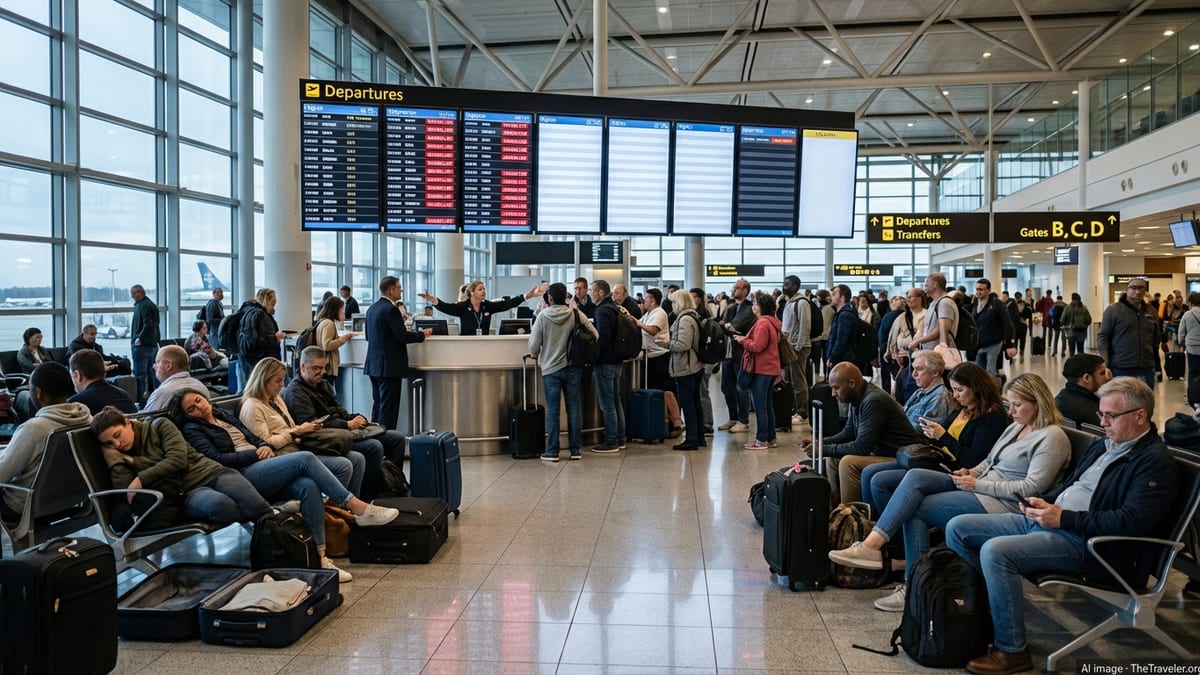
What the new US guidance says
Publicly available State Department advisories and related security messaging emphasize a fast-changing security environment across the Middle East, with the potential for sudden deterioration that could affect both travelers already in the region and those planning upcoming trips. The advisory language highlights the possibility of flight cancellations, airspace closures, and broader travel disruptions that can strand travelers or force last-minute reroutes.
In practical terms, the guidance encourages travelers to closely review country-specific Travel Advisories, check for recent Security Alerts for their destination, and evaluate whether planned itineraries depend on transit through regional hubs that could be impacted by closures or operational changes.
The State Department’s Middle East consular information page also directs Americans in the region to follow updates from the nearest U.S. embassy or consulate and to use official channels for real-time safety messaging.
How this affects flights and transit through major hubs
Even when a traveler’s final destination is outside the Middle East, the advisory can matter if an itinerary involves connections through major regional airports. Airlines can adjust schedules quickly during periods of tension, and disruptions may cascade into missed connections, extended layovers, or rebookings through different cities.
Travelers with upcoming trips may want to confirm their routing and ticket rules before departure, including whether a reservation includes segments through the Gulf or other Middle East airspace. Public guidance also notes that periodic airspace closures can occur, which may lead to diversions or longer flight times depending on routing decisions.
For travelers already in the region, the warning to be prepared for potential disruptions is especially relevant for those on short stays, cruises with regional ports, or multi-country itineraries where an unexpected cancellation could complicate border crossings and onward travel.
Country advisory levels vary, but many are elevated
The State Department’s Travel Advisory system ranges from Level 1 (Exercise Normal Precautions) to Level 4 (Do Not Travel). The current landscape across parts of the Middle East includes multiple destinations at Level 3 (Reconsider Travel) and Level 4 (Do Not Travel), reflecting a mix of risks that can include armed conflict, terrorism concerns, and limited U.S. government ability to provide emergency assistance in certain locations.
Recent advisory pages show elevated levels for several Gulf and regional destinations, while other countries remain at the highest level, signaling that conditions and recommended precautions can differ significantly from one border to the next. Because advisories can be updated when conditions change, travelers are encouraged to check the date of the most recent update on the specific destination page rather than relying on older summaries.
Separately, the State Department’s “Worldwide Caution” messaging ties the Middle East situation to broader global risk considerations, noting that heightened tensions can influence security concerns beyond the region as well.
What travelers can do now to reduce risk and disruption
Before travel, Americans can reduce exposure to last-minute disruption by checking official destination guidance, reviewing the latest Security Alerts, and confirming entry requirements and contingency plans for each country on the itinerary. For complex trips, it can be helpful to evaluate alternate routing options that avoid tight connections and minimize reliance on a single transit airport.
Travelers may also consider whether their plans require travel near higher-risk border areas within otherwise accessible countries. Some destination advisories include additional detail on geographic areas to avoid, along with operational constraints that can affect the availability of assistance during an emergency.
For those who decide to proceed, the State Department encourages following embassy and consular updates and using official channels that distribute alerts. During rapidly developing events, the most actionable information for travelers tends to be narrowly targeted to a specific location and time window, rather than broad, long-term guidance.
Why the warning is drawing attention now
The renewed focus on reconsidering Middle East travel is arriving amid a period of intensified regional volatility, with published coverage pointing to concerns about potential spillover effects that could impact aviation, infrastructure, and the operating environment for tourists and business travelers.
In addition to the immediate impact on travel, the advisory underscores that rapid escalation can change the risk picture quickly, even in places that remain open to visitors and that typically serve as transit points for long-haul routes.
For Americans watching the situation unfold, the most useful approach is to treat the advisory as a decision-support tool: assess itinerary exposure, understand what elevated advisory levels mean for a specific destination, and keep travel plans flexible enough to respond to sudden changes.