


More news on this day
Visitors heading into Vancouver this week are encountering a patchwork of travel disruption, as weather sensitive ferry sailings, weekend highway congestion and major transit construction projects combine to slow movement into and around the region.
Get the latest news straight to your inbox!
Ferry capacity tight as BC Ferries braces for a busy season
Travel across the Strait of Georgia remains one of the most fragile links in and out of Metro Vancouver. Current conditions published by BC Ferries show that popular routes linking the Lower Mainland with Vancouver Island and the Sunshine Coast continue to operate under heavy demand, with limited deck space for drive up passengers during peak periods and a heightened risk of last minute delays or cancellations when weather or mechanical issues arise.
Recent coverage of the Easter and spring long weekends described a pattern of rolling delays and cancellations on key sailings, including services from Tsawwassen to Swartz Bay and Duke Point, and from Horseshoe Bay to Nanaimo and the Sunshine Coast. Those disruptions left some passengers waiting through multiple missed departures and triggered renewed attention on how quickly a single out of service vessel can ripple through the network during busy travel windows.
BC Ferries has outlined new contingency planning for the 2026 summer season that highlights how even minor incidents can slow travel. The company’s guidance describes scenarios ranging from potential disruptions, where sailings are flagged as at risk, to major disruptions, where multiple sailings are cancelled and passengers may be re accommodated on later departures or advised to change travel dates. Travelers are being encouraged to secure reservations where possible and to monitor current conditions throughout the day rather than relying on printed schedules alone.
For visitors planning side trips from Vancouver to Victoria or the Gulf Islands, the practical effect is a need for more conservative planning. Day trips that once felt routine now require additional buffer time, flexible accommodation bookings and a willingness to adjust itineraries if sailings fall behind schedule or are pulled from service at short notice.
Highway bottlenecks intensify around ferry terminals and border routes
Heavy demand on ferries is mirrored on the road network that feeds Metro Vancouver. Vehicle queues regularly back up on Highway 17 approaching Tsawwassen terminal and on Highway 1 toward Horseshoe Bay during holiday periods and busy weekends, extending travel times well beyond what mapping apps suggest in light traffic.
Publicly available traffic reports for recent long weekends in the region point to recurring chokepoints where ferry bound traffic converges with everyday commuter and recreation trips. Even when sailings operate on time, the combination of security screening, ticketing and staging for vehicles can create stop and go conditions several kilometres from terminal entrances.
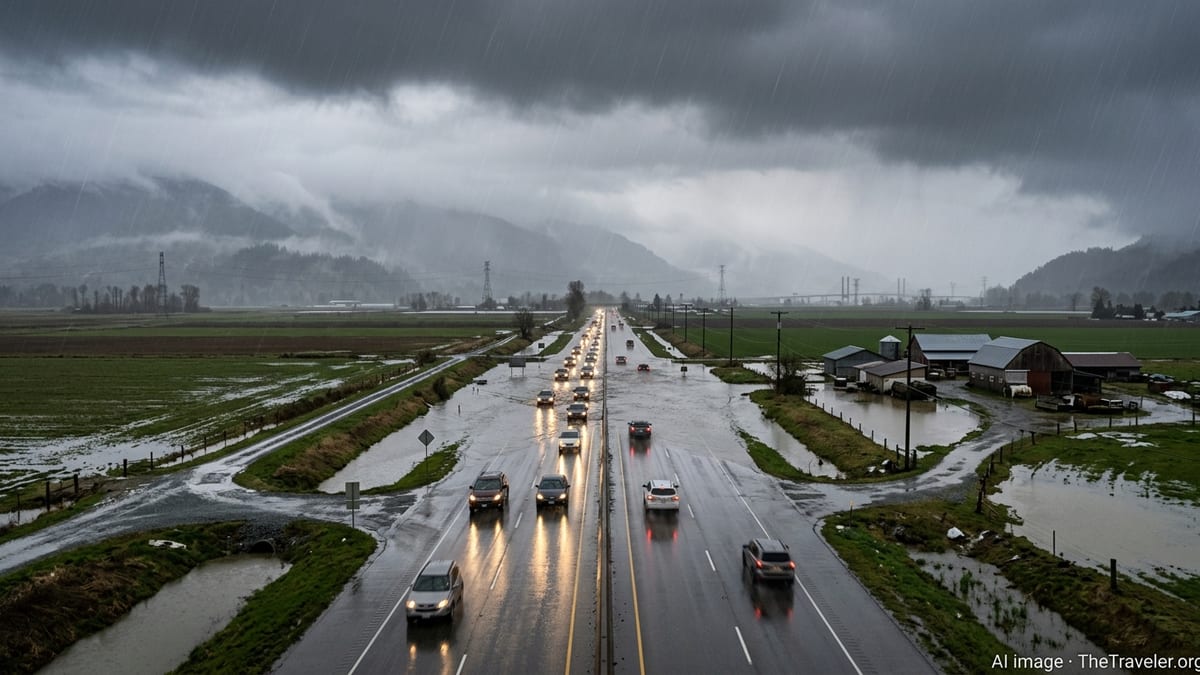
Travelers driving north or south of the city face similar pressure points at the U.S. border crossings and on Highway 1 through the Fraser Valley. Construction, seasonal maintenance and collisions have all contributed to travel times that are significantly longer than historical averages on peak getaway days. Motorists arriving from the interior of British Columbia or from Seattle are being warned by local travel advisories to allow generous margins if they are trying to connect with fixed departure times out of Vancouver.
The cumulative effect is that road based itineraries now carry more uncertainty than many visitors expect. Tourism operators in the region are increasingly advising guests to schedule earlier crossings, avoid tight back to back bookings and consider park and ride or transit options where those are available.
Transit construction reshapes movement within central Vancouver
Inside the city, major construction on the Broadway Subway extension of the Millennium Line continues to reshape how residents and visitors move across central Vancouver. Work on future underground stations such as Great Northern Way Emily Carr, Mount Pleasant, South Granville, Oak VGH and Arbutus has brought lane reductions, sidewalk diversions and intermittent bus stop relocations along the busy Broadway corridor.
The project, which is now scheduled to open in late 2027 after earlier timelines were revised, is designed to create a high capacity rapid transit spine between VCC Clark and Arbutus. In the short term, though, the construction zone has introduced slower travel for buses and private vehicles, as well as more complex connections for passengers transferring between SkyTrain, buses and cycling routes.
Transit users report that detours and stop moves can change more than once over the life of the project, requiring close attention to wayfinding signage and transit alerts. Visitors relying on older guidebooks or pre downloaded maps may find that recommended stops or walking connections no longer align with current street layouts, particularly around station headhouses and staging yards.
Despite the short term disruption, regional planning documents emphasize that the completed line is expected to significantly reduce travel times along Broadway and relieve pressure on parallel routes. For now, however, travelers moving between downtown, the central Broadway medical district and the University of British Columbia are advised to factor in added time and to verify stop locations on the day of travel.
Transit agencies adjust service to manage summer crowds
TransLink, the regional transit authority, is preparing for what is expected to be one of the busiest summer seasons on record, with new special event services and seasonal adjustments layered on top of ongoing construction related delays. Recent updates from the agency’s public information channels highlight efforts to increase capacity on popular bus and SkyTrain corridors and to introduce temporary routes aimed at visitors.
Among the most notable changes is a new downtown circulator bus operating between major SkyTrain hubs and key visitor districts on a daily schedule that extends late into the evening. The route is intended to make it easier for travelers staying in central hotels or short term rentals to reach waterfront attractions without relying on private vehicles or rideshares, which are frequently affected by congestion and roadworks.
At the same time, transit police and operations teams have been responding to isolated security incidents and technical issues that have, on occasion, triggered short lived service interruptions on portions of the SkyTrain network. While these events are typically resolved within hours, they can create crowded platforms, longer waits and the need for temporary bus bridges that lengthen cross city journeys for both residents and tourists.
Transit planners are using these incidents to refine crowd management, information sharing and recovery procedures, acknowledging that even brief disruptions have outsized impacts during peak travel periods. Visitors are encouraged to check real time alerts, carry a contactless payment option for ease of boarding and remain flexible about switching between bus, rail and passenger ferry services if one mode encounters delays.
What travelers should expect in the weeks ahead
With summer fast approaching, the factors driving travel disruption around Vancouver are unlikely to ease in the near term. Ferry schedules remain vulnerable to vessel availability and coastal weather, highways are expected to run at or near capacity on most fair weather weekends, and construction on the region’s expanding rapid transit network will continue well into 2027.
Published planning documents from transportation agencies across the region point toward a strategy that focuses on added capacity, better communication and incremental improvements rather than quick fixes. This includes more detailed current condition dashboards for ferries, expanded use of social media and push alerts for transit disruptions, and coordinated messaging between highway, ferry and transit operators during major events.
For travelers, the practical response involves building more flexibility into every stage of a trip touching Vancouver. That may mean arriving at ferry terminals earlier than in past years, choosing midweek departures where possible, allowing longer connection times between flights and ground transport, or selecting accommodations with easy access to multiple modes of travel.
Tourism businesses around Metro Vancouver are adjusting their own operations in response, advising guests to treat schedules as guides rather than guarantees and to have contingency plans ready if a particular sailing, highway segment or transit line experiences disruption. While the city remains a major gateway to the Pacific Northwest, moving through it in 2026 increasingly rewards those who plan for delays as part of the experience.