


More news on this day
UK tourists heading to Europe this summer are being urged to leave extra time at the airport as new biometric border checks contribute to long queues and delays at 11 key holiday gateways across the continent.
Get the latest news straight to your inbox!
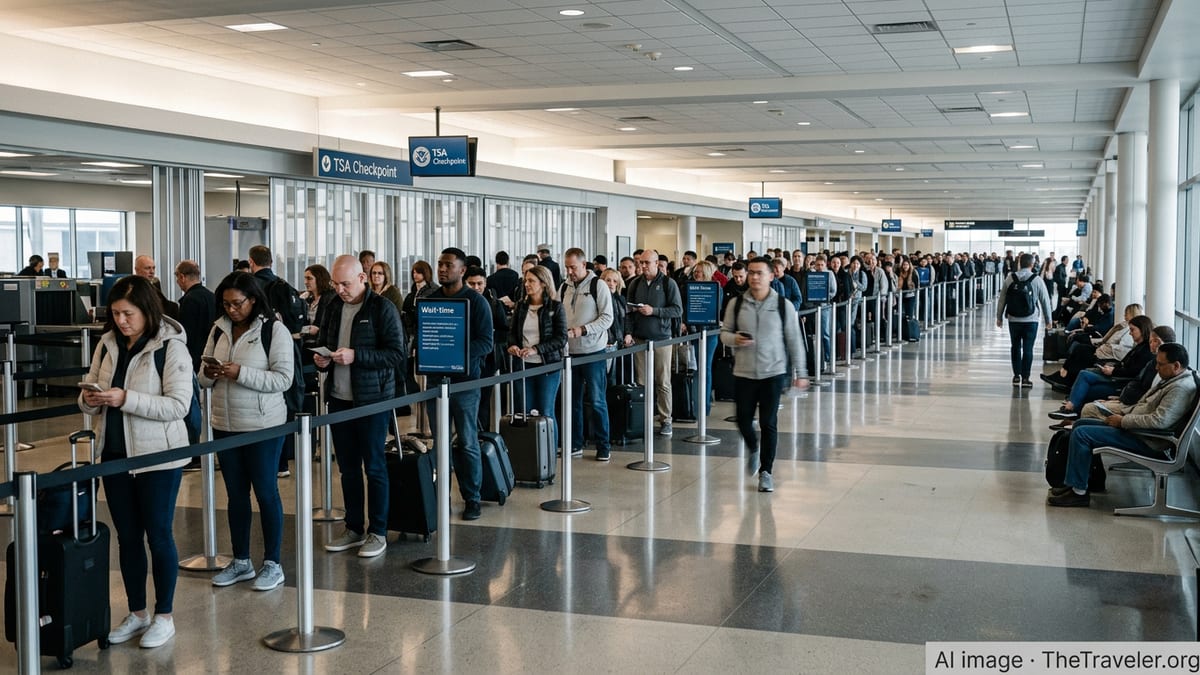
New border checks driving congestion at popular hubs
Reports from consumer groups and European travel industry bodies indicate that long lines at passport control have become a recurring feature at several major Mediterranean and city-break airports this summer. The problems are closely linked to the European Union’s new Entry Exit System, a biometric border scheme for non EU nationals that became fully operational at external Schengen borders in April 2026.
Under the scheme, UK passport holders entering or leaving the Schengen area must undergo one-off registration, including facial image capture and fingerprinting, with subsequent trips verified against that record. While intended to replace passport stamping and tighten monitoring of stays, the process has significantly increased the time needed to clear border checks for first time users.
Travel industry analysis suggests that the extra processing time, combined with peak season passenger numbers, is straining facilities at some airports that already handled high volumes of British holidaymakers before Brexit. Joint briefings from airline and airport associations earlier this year warned that without more flexibility and staffing, Europe faced a summer of “excessive waiting times” at border control.
Consumer organisation coverage notes that routine queues of two to three hours have been recorded at some European hubs during busy departure waves, with outlier cases of even longer waits when technical faults or staff shortages coincide with multiple full flights of non EU travellers.
Eleven airports repeatedly flagged for long queues
According to a recent analysis from UK-based consumer group Which?, drawing on traveller feedback and data provided by the EU border agency Frontex, 11 airports have been most frequently linked with problems at the EES bottleneck this summer. These include popular Spanish holiday gateways such as Alicante, Málaga and Palma de Mallorca, as well as busy leisure and city airports in Portugal, Italy, Greece and Belgium.
The Which? research highlights that these airports appear repeatedly in traveller reports of long queues at departure passport control, where UK tourists leaving the Schengen area must complete or verify their biometric registration. The pattern is particularly acute on days and at times when multiple flights to Britain are scheduled within a short window, concentrating non EU demand on a small number of staffed booths and EES kiosks.
European aviation bodies have separately referenced “difficult spots” where high tourist numbers, terminal design constraints and slow rollout of additional border resources combine to produce sustained delays. Industry letters to EU institutions in late June and early July point to pressure points in Portugal, Spain, Italy, Greece and Belgium, echoing the list of trouble-prone airports flagged to British travellers by consumer advocates.
While individual airport performance can fluctuate from day to day, the clustering of traveller complaints around this group of 11 locations has prompted renewed warnings to UK holidaymakers to scrutinise departure times and allow generous margins for border control on both arrival and return legs.
Travel industry urges earlier arrivals and flexible planning
Airlines serving UK routes into the Schengen area have begun advising customers to arrive considerably earlier than in previous summers, particularly for flights home from busy sun destinations. Guidance shared in recent weeks by several low-cost carriers suggests passengers should aim to be at the airport at least three hours before departure, and in some cases even earlier during peak school holiday weekends.
Coverage of briefings from the International Air Transport Association indicates that border checks for non EU travellers can now take several times longer than under the old stamp-based system, especially for those being enrolled into EES for the first time. Combined with hand baggage screening and potential queues at bag drop, this means that the traditional rule of arriving two hours before a short haul flight may no longer be sufficient at the worst-affected airports.
Industry groups representing European airports and airlines have repeatedly called for EU institutions and national governments to give border forces more flexibility in applying the new rules during busy periods. Joint statements in the spring and early summer warned that without such measures, passengers risk missing flights and airlines could see planes depart significantly under capacity because travellers remain stuck in queues.
Despite these alarms, there has been no broad suspension of the new controls for British nationals, and reports suggest that implementation remains uneven. Some airports have added staff or opened extra booths to alleviate congestion, while others are still adjusting to flows that are heavier than modelled during earlier trials.
Impact on UK holidaymakers and how to reduce the risk
For British travellers, the most immediate impact is the need to factor in the possibility of long waits at both arrival and departure passport control in parts of the Schengen area. Media reports and first-hand accounts describe families queuing with luggage for several hours at certain bases when multiple UK-bound flights are scheduled close together.
Consumer advice emerging in response to these issues stresses careful forward planning. Travellers are encouraged to check the latest information from their airline and departure airport in the days before their flight, and to pay particular attention to any updated guidance on recommended arrival times. Some airports and carriers now explicitly advise arriving significantly earlier than the minimum times printed on tickets.
Passengers are also being urged to think about practicalities inside the terminal. That can include bringing water and snacks for children in case queues build more quickly than anticipated, keeping travel documents readily accessible to speed the EES process, and ensuring all members of a group stay together in the correct line to avoid last minute complications at the front of the queue.
Travel insurance specialists have highlighted that missing a flight purely because of long queues at border control may not always be covered under standard policies, particularly if an insurer considers the risk to have been widely publicised in advance. UK tourists are being encouraged to read policy wording carefully and to consider the potential financial implications of needing to rebook at short notice.
Queues not universal, but warnings likely to persist
Despite the wave of concern, travel data reported by European media suggests that most British holidaymakers are still reaching their destinations, and that problems remain concentrated at specific times and locations rather than being universal. Surveys cited in recent coverage show that while a significant minority of UK visitors have experienced delays linked to EES, only a smaller share say the disruption has deterred them from booking further trips to Europe.
Some airports, including certain regional gateways in Greece and parts of Cyprus, have been described in travel forums as relatively smooth, either because passenger numbers remain below pre pandemic levels or because local authorities have tailored staffing and layout to manage EES flows more effectively. In other locations, earlier technical issues have reportedly eased after additional equipment or personnel were deployed.
Nonetheless, joint warnings from airline and airport associations, combined with the consumer findings that single out 11 particularly problematic airports, suggest that UK tourists should assume the risk of queues will continue through the peak of the 2026 summer season. With the new system still bedding in and further changes such as the ETIAS travel authorisation on the horizon, travel commentators expect border procedures for British visitors to the EU to remain a live issue for some time.
For now, the clearest message to UK holidaymakers is to build in extra time, stay informed about conditions at their chosen airport and be prepared for a slower passage through passport control than in pre EES summers, especially when travelling through the European hubs most frequently associated with delays.