


More news on this day
Lingering weather problems along the busy East Coast corridor are continuing to disrupt operations at Buffalo Niagara International Airport, with rolling delays and scattered cancellations affecting travelers on Thursday.
Get the latest news straight to your inbox!
Stormy East Coast Keeps Buffalo Flights Backed Up
Publicly available tracking data shows that Buffalo Niagara International Airport is experiencing knock-on delays as thunderstorms and unsettled conditions persist along the East Coast, particularly around the New York City and Boston hubs. Even when skies over western New York are relatively calm, storms near major connection points can restrict airspace and slow arrivals and departures into Buffalo.
Federal aviation advisories issued in recent weeks describe repeated rounds of storms sweeping through the Northeast, prompting traffic management initiatives that limit the number of planes allowed to depart for or arrive at key coastal airports. When traffic into New York and New England is metered or halted, aircraft and crews scheduled to continue on to Buffalo can end up out of position, creating late-day bottlenecks.
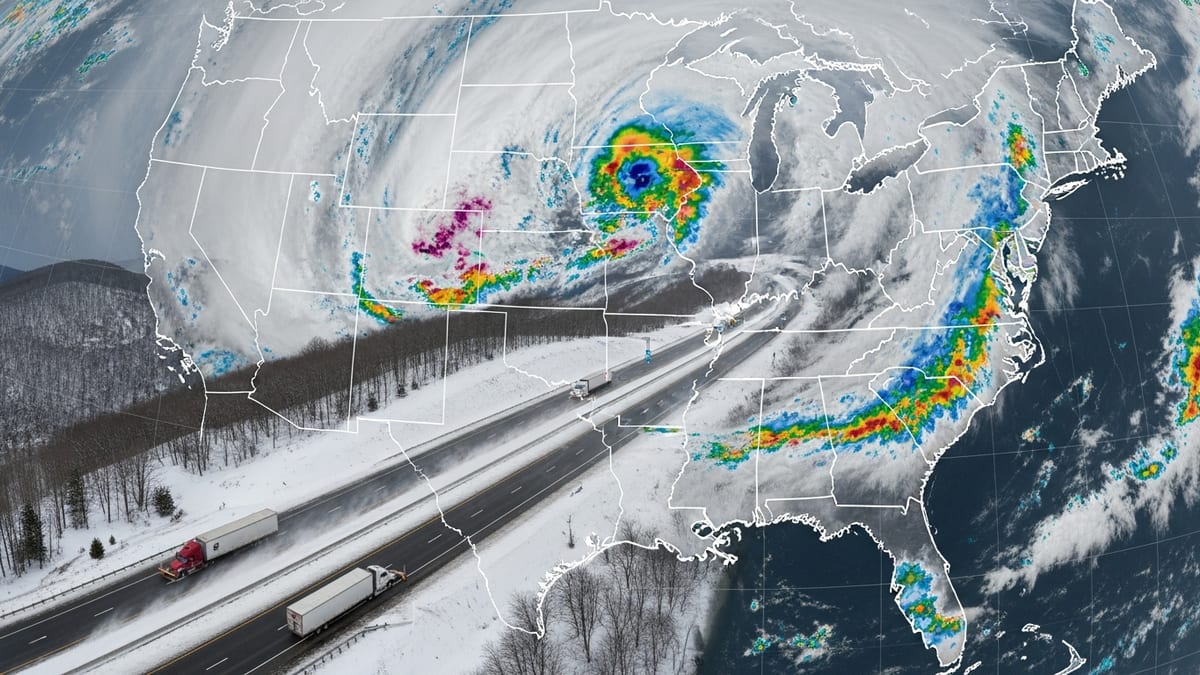
Regional weather imagery from the National Weather Service around Buffalo highlights a pattern of volatile conditions over the Great Lakes and the Atlantic seaboard, with storm cells frequently lining up along common flight corridors. Travel analysts note that this combination of congested skies and summer thunderstorm activity often means that even short weather disruptions can echo through the system for hours.
Travelers at Buffalo reported via social media and travel forums that evening and late-night flights to and from East Coast hubs have been particularly vulnerable, with some departures pushed back several hours while crews and aircraft make their way in from delayed earlier segments.
Ground Delays at Major Hubs Ripple Into Western New York
According to federal flight operations dashboards, New York City area airports including John F. Kennedy and LaGuardia, along with Boston Logan, have recently been subject to ground delay programs and gate holds tied to thunderstorms. These measures are designed to keep traffic volumes within safe limits when storm cells block key approach and departure routes, but they also slow the flow of aircraft that feed regional airports such as Buffalo Niagara.
Traffic management advisories describe arrival and departure delays at those coastal hubs ranging from roughly one to nearly two hours during peak weather impacts. When that happens, aircraft that would typically turn quickly and continue on to secondary cities may arrive late, wait for a crew change, or miss their scheduled departure window entirely.
Industry guidance explains that airlines build schedules around tight rotations, particularly on short-haul East Coast routes. A single weather hold in New York or Boston during the morning or early afternoon can cascade across multiple flights, leading to evening delays in Buffalo even if local weather has improved.
Travel discussion boards focused on the Northeast report that in some recent events a Buffalo bound flight from a coastal hub has departed only after lengthy waits on the ground, while other departures have been rescheduled for the next day once available runway capacity and crew-duty limits are factored in.
Passengers Confront Longer Waits and Limited Rebooking Options
Flight status boards and tracking sites show that while Buffalo Niagara International Airport has remained open, passengers have faced longer waits at gates as airlines adjust schedules in response to East Coast weather restrictions. In several instances, departures have seen creeping delay estimates, moving in 30 to 60 minute increments as connecting aircraft make their way through congested airspace.
Travel forums indicate that some passengers have spent much of the day in the terminal waiting for updated departure times, particularly those connecting through major hubs to onward destinations. When flights ultimately cancel because of crew time limits or missed slots, same-day rebooking options can be limited, especially on heavily traveled summer and holiday dates.
Consumer-rights information notes that, under current United States rules, weather related disruptions generally do not trigger automatic cash compensation, although airlines typically offer rebooking at no additional fare and, in many cases, fee waivers for changing itineraries within a defined travel window. Passengers are widely advised to monitor their airline’s app or text alerts and to consider adjusting travel plans proactively if long ground delays are anticipated at East Coast hubs.
For travelers starting their journey in Buffalo, publicly available guidance from aviation and weather services continues to emphasize checking flight status frequently and arriving early at the airport, since security lines and boarding times can fluctuate when multiple delayed flights depart in quick succession once a weather window opens along the coast.
Summer Pattern Highlights Vulnerability of Northeast Air Corridor
Recent disruption patterns at Buffalo Niagara International Airport reflect a broader vulnerability in the Northeast air corridor, where dense traffic and limited alternate routing intersect with recurring summer thunderstorms. Aviation briefings point out that when storm complexes develop over the mid Atlantic and New England, the same weather system can simultaneously affect multiple hubs that share traffic with Buffalo.
Analysts note that Buffalo’s role as a connecting point for both U.S. and cross border travelers means that even moderate delays can have amplified effects, as passengers miss onward flights either deeper into the United States or across the nearby Canadian border. When storms close or restrict common arrival paths into New York and Boston, flights from Buffalo may be held at the gate to avoid gridlock in the air around those airports.
Operational reports and aviation commentary suggest that this summer’s pattern of lingering storms and heat related instability has made it more challenging for airlines to recover after each round of disruption. Aircraft can finish the day far from where they are scheduled to start the next morning, extending the life of a delay cycle and keeping pressure on airports like Buffalo Niagara for several days at a time.
Travel experts recommend that passengers using Buffalo Niagara International Airport during periods of active East Coast weather build extra time into itineraries, favor earlier departures where possible, and stay flexible about routing, since carriers sometimes reroute travelers through less congested hubs to bypass the worst affected coastal airports.