


More news on this day
Despite higher fuel prices heading into peak summer, new travel data and destination campaigns indicate that Western United States road trips remain among the most cost-effective ways for Americans to take a scenic holiday in 2026.
Get the latest news straight to your inbox!
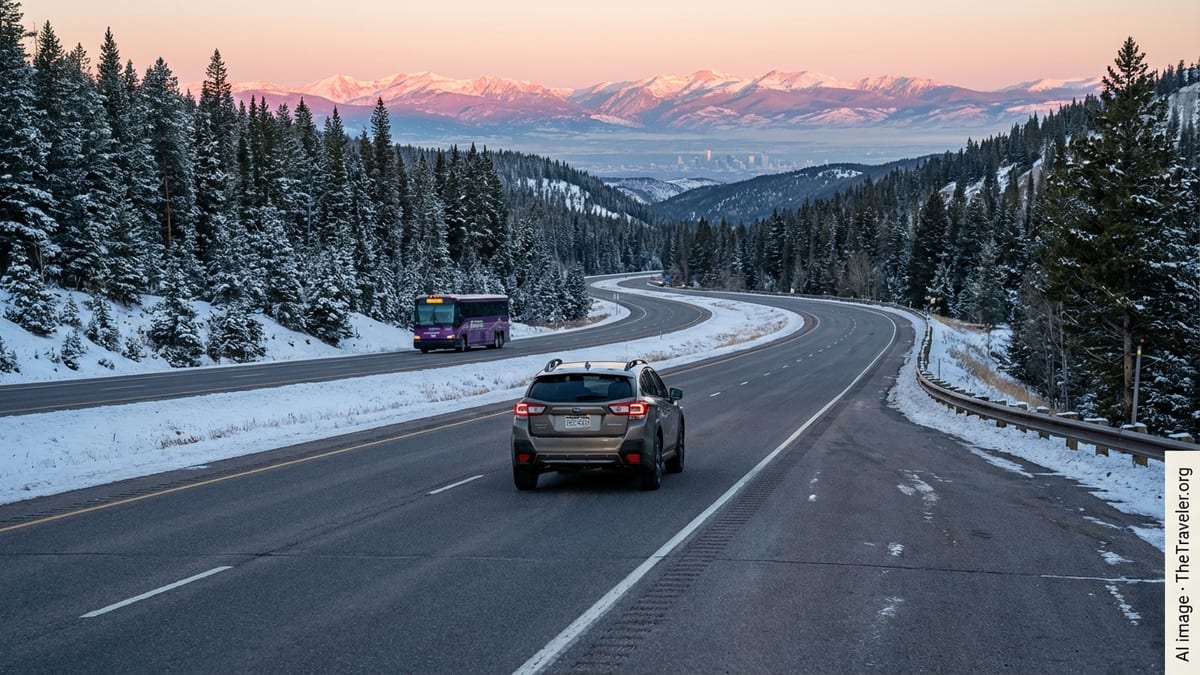
Gas Prices Reshape, But Do Not Derail, Road Trip Plans
Publicly available figures show that U.S. gasoline prices have risen for many drivers in 2026 compared with the previous year, largely in response to volatility in global energy markets. National averages climbed above the four dollar mark in late spring just as the summer driving season began, increasing the cost of long-distance travel for many households. Analysts note that price spikes are not uniform, with some Western states showing higher pump prices than inland regions.
Energy forecasts from federal agencies released in early 2026 indicate that, despite recent jumps, retail gasoline prices remain below the extremes seen in 2022. Long-range projections continue to anticipate a gradual easing from current peaks as crude oil markets stabilize and U.S. vehicle fleets become more fuel efficient. That backdrop has encouraged many travelers to adjust, rather than abandon, their driving plans by choosing loop routes, shorter itineraries, and fuel-efficient vehicles.
Independent budgeting guides published this spring estimate that an average 2026 U.S. road trip costs roughly sixteen cents per mile in fuel for a midsize vehicle, using national average prices and typical fuel economy ratings. For a 700-mile long-weekend circuit in the West, that places gas spending in the range of one hundred to one hundred twenty dollars, a figure that remains competitive with airfares for two or more travelers and helps sustain road trips as a preferred budget option.
Online travel calculators and mobile tools have proliferated in response to price swings, allowing drivers to plug in routes, vehicle mileage, and regional gas averages to plan more precise budgets. User discussions in road-trip communities suggest that many travelers are trimming nonessential stops, mixing camping with occasional hotels, and slowing down to improve fuel economy rather than cancelling journeys outright.
Western States Promote Scenic, Low-Cost Itineraries
State tourism organizations in the western United States have leaned more heavily on road trips in their 2025 and 2026 marketing as travelers seek flexible, drive-to vacations. Campaign materials from California, Utah and other states emphasize multi-day driving loops that connect small towns, state parks, and free public lands, positioning these routes as accessible alternatives to long-haul international travel.
California’s tourism agency has continued to expand a road trip library that now showcases dozens of themed itineraries designed to disperse visitors beyond the most expensive coastal hubs. Many of these routes highlight free coastal viewpoints, no-fee hiking trails, and low-cost attractions in cities such as Sacramento, where visitors can tour landmark districts and surrounding parks without ticketed entry. State promotion also calls attention to free or low-cost shuttles in mountain communities that reduce both parking costs and fuel use.
Inland, Utah and neighboring states have updated scenic byway and state park information to spotlight lesser-known viewpoints and high desert drives that remain relatively uncrowded compared with marquee national parks. Planning documents and presentations from Utah’s tourism board describe efforts to balance “urban and outdoors” experiences, encouraging visitors to spend time in walkable downtowns before driving to canyon overlooks and alpine passes within a few hours’ radius.
Federal byway designations also continue to support affordable self-guided driving holidays. Routes managed by agencies such as the Bureau of Land Management in Nevada, Utah and Oregon link historic trails, petroglyph sites and rugged canyonlands, often without entrance fees beyond basic camping permits. Travelers who rely on public information for these backcountry roads report that the main costs are fuel, camp provisions and occasional motel stays in gateway towns.
Destination Examples: Coastal Driftways and Mountain Loops
Along the Pacific, regional tourism content from California and Oregon outlines itineraries that pair short daily drives with free shoreline access. Highway corridors on the North Coast, for example, allow travelers to base in a single budget motel or campground and explore nearby redwood groves, tidepool beaches and fishing harbors on day trips. Many state beaches along these stretches either charge modest day-use fees per vehicle or offer free roadside pullouts, keeping daily costs contained.
Farther south, Central Coast routes between Monterey County and the Santa Barbara region are being marketed as off-peak escapes for shoulder-season travelers. Publicly available guides highlight scenic overlooks, piers and historic town centers that can be visited at little or no cost, along with inland detours to farm stands and wine-country backroads. Travelers who visit outside major festivals and holiday weekends can often secure lower midweek room rates, extending trips without dramatically increasing budgets.
In the interior West, multi-park loops stitching together Utah, Wyoming and Montana continue to appear in travel trend coverage and online forums as standout choices for travelers seeking dramatic scenery within a finite budget. While flagship national parks now carry standardized vehicle entrance fees, surrounding state parks, national forests and small towns offer free viewpoints, lakeside picnic areas and inexpensive community campgrounds. Travelers increasingly structure itineraries so that higher-fee days inside major parks are balanced with no-fee hikes and drives in adjacent public lands.
Shorter regional circuits are also gaining attention among cost-conscious travelers. Routes of 500 to 1,000 miles built around a single mountain range or river corridor can be completed in a long weekend or five-day span, limiting fuel and lodging costs while still delivering varied landscapes. Examples cited in public trip reports include loops through Colorado’s high plateaus and canyons, combinations of Washington’s Cascade foothills and agricultural valleys, and circuits that link northern Arizona’s pine forests with viewpoints over desert canyon country.
Travelers Turn to Budget Tactics and Shoulder Seasons
Survey data and travel-trend briefings in early 2026 describe a broader shift toward cost-aware trip planning, with many households reallocating discretionary spending rather than foregoing vacations. Road trips in the West fit this trend because they can be scaled to available time and money, allowing travelers to trim daily mileage or swap hotels for campsites without changing destinations entirely.
Budgeting tools produced by travel services suggest treating the trip as a daily cost equation that combines fuel, lodging and food. For many itineraries, lodging remains the largest controllable expense, and advice from consumer-focused travel outlets increasingly encourages mixing campgrounds, public cabins and occasional midscale hotels. Families with flexible schedules are also nudging departures into shoulder periods in May, early June or September, when room rates and campsite competition are typically lower in popular Western gateways.
Public information from national and state park systems reinforces the importance of reservations for high-demand campgrounds while noting that many first-come, first-served sites and dispersed camping areas remain available outside peak weekends. Travelers who book core nights in advance but leave some flexibility to adjust for weather or wildfire conditions are often able to maintain budgets by shifting to nearby public lands or small-town motels when needed.
Online communities devoted to road travel reflect growing interest in tactics such as slower driving speeds to save fuel, preparing more meals at campsites or roadside picnic areas, and focusing on free natural attractions over ticketed venues. These incremental changes, combined with careful route planning, have helped keep Western road trips within reach for travelers facing higher costs in other parts of the household budget.
Outlook: Scenic Holidays Remain Within Reach
Looking toward late summer and early fall of 2026, travel analysts expect the Western United States to remain a stronghold for road-based vacations. Forecasts from tourism agencies point to continued demand for outdoor experiences, wide-open landscapes and culturally rich small towns that can be reached without air travel. Even with fuel prices elevated compared with pre-pandemic norms, the per-person cost of a multi-day drive often undercuts flights and car rentals to distant destinations.
State-level tourism funding reports for 2025 and 2026 show that western destinations continue to invest in wayfinding, roadside amenities and digital trip-planning tools that make it easier for independent travelers to string together scenic, low-cost stops. That focus supports a wider range of routes, from coastal drives to high desert crossings, giving visitors more options to match their budgets.
As travelers weigh trade-offs between length, distance and comfort, industry observers note that interest is rising in what some trend reports describe as the “All-American road trip” for the country’s 250th anniversary in 2026. For many, that experience is playing out not on cross-country marathons, but on regional loops through the western states that offer iconic views, modest daily costs and the flexibility to adapt to changing prices.
Across public data, marketing materials and traveler reports, a consistent picture emerges: while economic pressures are reshaping how people plan, Western U.S. road trips remain one of the most approachable ways to enjoy a scenic holiday on a budget this summer.