


More news on this day
WestJet passengers are facing mounting flight cancellations and growing uncertainty heading into the August long weekend, as the airline pares back its schedule ahead of a potential flight attendant strike and Canada’s labour minister publicly presses both sides to finalize an agreement.
Get the latest news straight to your inbox!
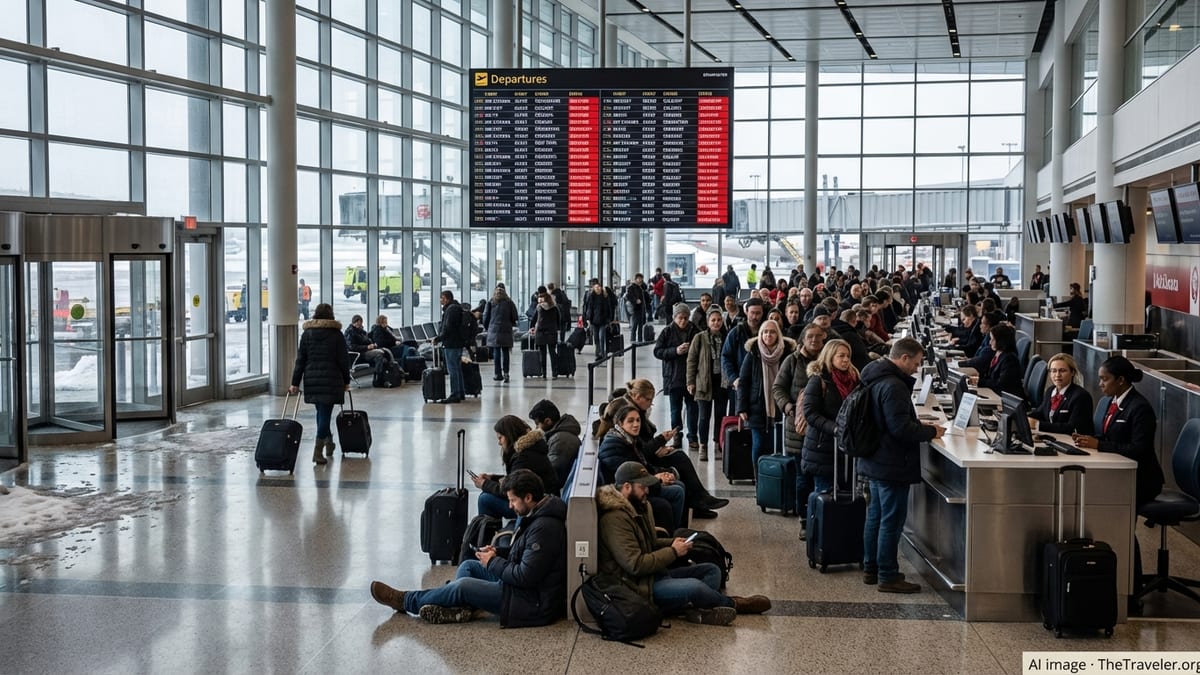
Cancellations Spread Ahead of Strike Deadline
WestJet has begun cancelling flights in advance of a possible walkout by its flight attendants, with reports indicating that disruptions started to intensify on August 1. The airline is trimming routes where aircraft and crews could be left stranded if job action begins, focusing especially on international services and longer-haul trips.
Publicly available information from traveler forums and news coverage shows that some passengers received rebooking notices on other carriers, while others are still waiting for alternative itineraries. Call centers and online chat channels are described as extremely busy, making it difficult for travelers to get real-time assistance as departure dates approach.
The cancellations come as a 72-hour strike notice window counts down, giving the union representing flight attendants the ability to launch job action as early as the August long weekend if no contract deal is reached. The advance cuts are intended to reduce operational chaos if a strike proceeds, but they are also creating anxiety for travelers trying to determine whether their flights will operate.
In some cases, guests report learning of changes through email notifications, while others say they are monitoring their bookings frequently in case their flights disappear from the schedule. As cancellations accumulate, rebooking options are becoming more limited, particularly on popular leisure routes and peak departure times.
Minister Hajdu Urges Parties to “Reach a Deal”
The federal government is closely monitoring the WestJet dispute, with Labour Minister Patty Hajdu emphasizing that the airline and the union have the tools to end the standoff at the bargaining table. In public statements reflecting her approach in earlier aviation labour disputes, Hajdu has repeated the view that the best agreements are negotiated directly by the parties involved rather than imposed from outside.
According to published coverage, Hajdu has framed the situation as both urgent and resolvable, stressing that the parties can and should reach a deal and avoid further disruption for travelers. Her message mirrors previous interventions in the sector, where she has highlighted the importance of good-faith bargaining and the need for both sides to put forward their best efforts to protect the travelling public and the broader economy.
While Ottawa has significant legal tools at its disposal in federally regulated industries, recent experience suggests the government is cautious about immediately imposing arbitration or back-to-work measures. Hajdu’s current stance signals pressure on WestJet and the union to use the remaining time before any walkout to narrow differences on pay, scheduling, and working conditions.
The minister’s comments also serve as a signal to travelers that the government is engaged, even as it leaves primary responsibility for resolving the dispute with the negotiating teams. For the moment, federal officials appear to be betting that a last-minute compromise remains possible.
Travelers Confront Uncertainty and Limited Options
For passengers booked on WestJet over the coming days, the most immediate impact of the dispute is uncertainty. Reports indicate that some customers are proactively shifting to other airlines where possible, while others are holding their reservations in the hope that either a settlement is reached or their specific flights remain untouched.
WestJet has introduced a flexible change and cancellation policy tied to the labour situation, allowing many affected travelers to modify plans without standard fees. However, as cancellations increase, not all guests are able to find comparable replacement flights, particularly on routes with limited competition or near fully booked peak holiday dates.
Accounts shared publicly describe long wait times on customer-service lines and difficulties obtaining clarity on borderline cases in which flights are still listed as operating but may be vulnerable to future cuts. Some travelers report being automatically rebooked on alternative routes or partner carriers, while others say they were left to piece together their own travel using remaining seats across multiple airlines.
The timing, coinciding with a major holiday weekend, is adding to the strain. Families heading to vacation destinations and workers traveling for essential reasons face the possibility of last-minute changes, overnight delays, or cancelled trips, even if a deal is ultimately reached at the eleventh hour.
What Is at Stake in the WestJet Labour Dispute
The underlying dispute centers on a new collective agreement for WestJet’s flight attendants, represented by a union that has argued for higher wages, stronger protections around duty time, and compensation for unpaid work periods. According to coverage of the talks, the union maintains that compensation has not kept pace with rising costs and the growing demands of the job.
WestJet, for its part, is balancing those requests against cost pressures and competitive dynamics in the Canadian airline market. The carrier emerged from the pandemic facing higher operating costs, shifting travel patterns, and recurring labour tensions, and has argued in previous negotiations that increases must be sustainable to protect its long-term viability.
Published commentary on the dispute notes that the outcome could influence labour expectations in the wider aviation sector, particularly for cabin crew at other carriers watching the talks closely. A more generous settlement may strengthen bargaining positions elsewhere, while a restrained deal could temper demands in future rounds of negotiations across the industry.
The stakes extend beyond the negotiating table, affecting WestJet’s brand and customer loyalty. Each wave of cancellations risks pushing some travelers to competitors, especially those who experience repeated disruptions or find it difficult to secure refunds and alternative arrangements.
Long-Weekend Outlook and Next Steps
As the deadline for possible job action approaches, attention is focused on whether WestJet and the union can narrow remaining gaps and present a tentative agreement to members. Historically, Canadian aviation labour disputes have sometimes produced last-minute deals that avert or shorten strikes, but they have also led to prolonged uncertainty when talks stall.
Travel experts quoted in media coverage suggest that passengers with imminent WestJet bookings should monitor their flight status closely and review the airline’s flexible change options. Those with critical travel needs are being encouraged to consider backup plans, while remaining aware that switching carriers can be costly or impractical on short notice.
For now, the message from Ottawa is that the parties still have time to reach an agreement that averts a full shutdown of WestJet’s network. Hajdu’s reminder that the parties can and should reach a deal underscores the political and economic pressure surrounding the talks, particularly with thousands of travelers and tourism businesses depending on reliable air service over the summer peak.
If negotiations fail and a strike proceeds, the pattern of cancellations already underway suggests the airline is preparing for a broad, if temporary, reduction in service. The scale and duration of that impact will hinge on how quickly bargaining resumes and whether a compromise can finally be found at the table.