


Lisbon’s Humberto Delgado Airport looks straightforward on a map, but many travelers are caught off guard once they actually fly through it. Between the split terminals, unpredictable queues at security and passport control, and a layout that hides key bottlenecks until the last minute, it is easy to underestimate how much time and patience you will need. After gathering recent reports from travelers and airport data, here is what many people say they wish someone had told them before flying through Lisbon.
Get the latest updates straight to your inbox!
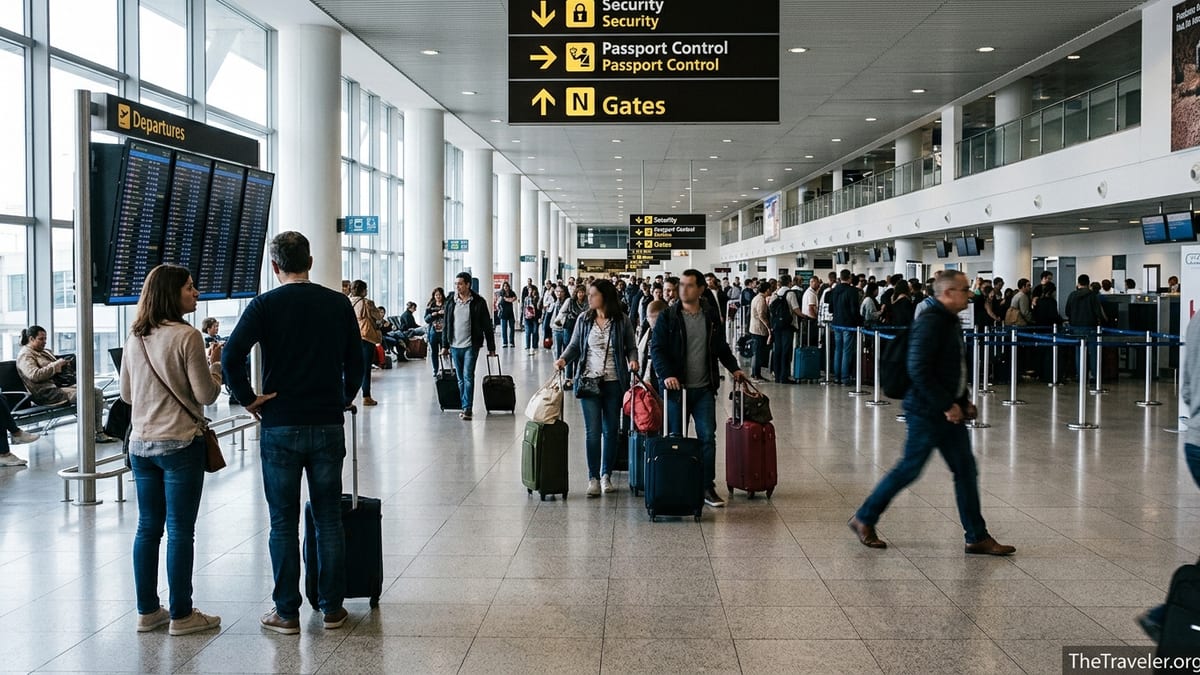
Understand the Terminal Trap Before You Even Book
The single biggest surprise for first timers is that Lisbon Airport is effectively two separate worlds: Terminal 1 and Terminal 2. Terminal 1 is the main building with the metro station, most shops and restaurants, and nearly all arrivals. Terminal 2 is a simpler, low-cost departures terminal used mainly by airlines such as Ryanair, Wizz Air and Transavia. All these flights still arrive into Terminal 1, which means you can easily depart from one building and return to another.
What catches travelers out is that Terminal 2 is not walkable from Terminal 1 and has no direct metro access. If you ride the red line of the Lisbon Metro to “Aeroporto,” you emerge directly into Terminal 1. To reach Terminal 2, you must then follow signs outside the departures hall and board the free shuttle bus. Guides updated in 2026 describe the shuttle running roughly every 10 to 20 minutes, with a ride of a few minutes, but this can stretch when crowds build or at very early hours. If you are used to seamless terminal connections in hubs like Amsterdam or Munich, Lisbon’s split layout can feel surprisingly clumsy.
Real-world consequence: a traveler with a 6:00 a.m. Ryanair flight to Barcelona might arrive at the airport by metro at 4:00 a.m. thinking they are early, only to discover a line for the Terminal 2 shuttle and further queues once they arrive at the low-cost terminal. If that same passenger had taken a taxi directly from the city to Terminal 2, they could have skipped the bus altogether. When booking, always double-check which terminal your airline uses so you can plan your route with this in mind.
The second trap is on connections. Because all arrivals funnel into Terminal 1, someone arriving from New York into Terminal 1 and connecting onto a low-cost flight from Terminal 2 must clear passport control, collect bags if needed, and then transfer by shuttle. With a tight connection under two and a half hours, this routing can quickly become stressful during peak periods.
Queues Can Swing From Five Minutes to an Hour
Lisbon’s airport is constrained by its inner-city location and has been handling well over 30 million passengers per year, more than it was originally built for. Independent queue trackers and traveler reports from spring and summer 2026 paint a picture of an airport that can feel manageable at one moment and chaotic the next. Security wait times around mid-morning or early afternoon on weekdays might hover around 10 to 20 minutes, while peak waves from 5:00 a.m. to 8:00 a.m. and late afternoon can see long, snaking lines for both security and passport control.
Arriving passengers especially notice the variability. Some report clearing passport control in under five minutes when their flight lands at a quiet hour, such as mid-morning on a weekday. Others arriving from outside the Schengen Area during a busy wave have described 45-minute to hour-long waits when several wide-body flights land close together. On the departure side, travelers in early 2026 shared experiences of breezing through security in 10 minutes one day and facing 30-minute or longer lines at similar times on other days, depending on staffing and traffic.
Lisbon does offer a paid Fast Track lane for security, usually sold through airlines or the airport operator, but reviews are mixed. When the airport is truly overwhelmed, Fast Track can still involve a noticeable wait, though typically shorter than the regular lines. Some travelers flying TAP Air Portugal in economy have reported being able to add Fast Track for a modest fee when checking in online, while premium cabin tickets and many elite status holders have it included. If you are traveling at peak times in summer and especially if you are connecting onto a separate ticket, this add-on can be worth considering as a form of time insurance.
The key message many visitors wish they had heard earlier is that you should not plan Lisbon timings like a small regional airport. For non-Schengen long-haul departures, aim to be physically at your correct terminal at least three hours before departure in summer, even if online tools show short current wait times. These tools can change quickly when a few full flights show up at once.
Finding Your Way Inside Terminal 1 Is Not As Simple As It Looks
On paper, Terminal 1 is compact. In reality, the layout creates choke points that only reveal themselves after you have committed to a direction. Departing passengers often underestimate how long it takes to reach the more distant gate zones, particularly the N gates used for many non-Schengen flights. After check-in and initial security, there is an additional passport control stage before these gates, and that is where queues often form without much advance warning.
Several 2026 traveler accounts describe a similar pattern: they checked in, passed security in around 20 minutes and saw reassuring wait-time screens. Relaxed, they stopped for a coffee near the main food court or browsed shops. Only later did they discover another long line at passport control for the N gates, sometimes stretching to 30 or more minutes. In at least one report, passengers were still stuck in this queue while boarding for their flight was underway, with gate agents calling out destinations to fast-track those at risk of missing connections.
If you are flying to North America, the United Kingdom, Morocco or another non-Schengen country, the safest tactic is to head directly from security to passport control and your gate area before considering a leisurely meal. Once you are “behind” that second checkpoint near the N gates, you still have access to cafes, duty-free shops and seating, but your risk of getting trapped in a late-stage bottleneck is much lower.
Another quirk worth knowing is that walking distances inside Terminal 1 can feel longer than they appear on simplified maps. The central hall can become very crowded in summer, and it may take 10 to 15 minutes to walk at a normal pace from check-in to a far gate, especially if you must navigate around families and tour groups. Allowing extra buffer for this walking time can make the difference between a calm stroll to boarding and a last-minute sprint through packed corridors.
Transport To and From the City Is Easy, With Some Catch
One advantage of Lisbon Airport is its proximity to the city center. The Aeroporto station on the red line of the Lisbon Metro sits directly under Terminal 1, and in normal conditions it takes around 25 to 30 minutes to reach central hubs like Saldanha or Alameda, with a straightforward transfer to the green or yellow lines for Baixa or Avenida. A single metro ticket is inexpensive compared with airport trains in cities like London or Paris, and many visitors consider this the best-value option if they are traveling with light luggage.
Surface transport, however, is where travelers sometimes get tripped up. Taxis and ride-hailing services such as Uber, Bolt and Free Now serve the airport, but queues can form at the official taxi rank after large flight arrivals, and surge pricing can make ride-hail journeys significantly more expensive at peak times or late in the evening. In 2025 and 2026, basic off-peak rides from the airport to central Lisbon neighborhoods like Baixa or Bairro Alto often came in under what you might pay for an airport train in Northern Europe, but during busy periods prices can jump sharply.
Airport bus services have also evolved. The dedicated Aerobus that many guidebooks still mention was scaled back and, for a time, suspended, prompting a greater reliance on the regular city bus network and metro. Some private shuttle buses now serve popular hotel zones or long-distance coach stations like Sete Rios and Oriente, but schedules and branding change frequently. Travelers arriving late at night with checked bags are often happier choosing a taxi or app-based ride, accepting the modest extra cost in exchange for being dropped directly at their accommodation.
For late-night or very early flights, keep an eye on operating hours. The metro does not run 24 hours, and while there are night buses and taxis, the feel of the airport changes significantly after midnight as many shops close and lights are dimmed. If you land close to the end of scheduled public transport, do not spend too long browsing duty-free or reorganizing your bags before heading out to catch the last metro or bus of the night.
Overnight Layovers and Curfew Confusion
Because Lisbon Airport sits close to residential neighborhoods, it has long been subject to night flight restrictions. There has been an ongoing political debate around tightening these rules, and legal documents in recent years outline plans for stricter night operations, including talk of broader bans on new night flights. Travelers do not need to master the legal details, but they should be aware that flights arriving late at night are more vulnerable to disruption and diversion if delays push them too far into the restricted hours.
For passengers, this mainly matters when booking tight connections that arrive late in the evening and connect to an early-morning departure. A delay earlier in the day can cascade, and a flight planned to land just before the start of a stricter night window might face re-routing or extended holding. While most trips proceed without drama, travelers who have been stranded overnight due to curfew-related disruptions often comment that they wish they had scheduled a longer buffer or chosen a daytime itinerary instead.
Inside the terminal, an overnight layover in Lisbon is technically possible but not always comfortable. Recent accounts from travelers with 8 to 10 hour night layovers describe finding limited seating with armrest-free benches, most restaurants and shops closed after midnight, and some lounges shutting down for several hours in the small hours of the morning. For example, at least one major lounge that accepts popular lounge membership cards closes during the night and reopens around 5:00 a.m., leaving passengers to camp in the main halls.
If you know you will be stuck at the airport overnight, consider whether an inexpensive airport hotel or a simple guesthouse a short taxi ride away might be worth the extra expense. Lisbon has several budget hotels in neighborhoods less than 10 minutes from the airport, and the improved sleep and shower can significantly improve how you feel on arrival at your final destination.
Prices, Food Options and Last-Minute Essentials
Food and drink at Lisbon Airport are, unsurprisingly, more expensive than in the city, but many visitors are pleasantly surprised that prices are not as extreme as in some Northern European hubs. A typical espresso at a landside cafe in Terminal 1 may still feel relatively affordable compared with what you would pay at a major US or UK airport, reflecting Lisbon’s strong coffee culture. However, bottled water, sandwiches and hot meals airside often carry a noticeable markup over neighborhood pastelarias and restaurants in town.
One common regret is not eating properly in the city before heading to the airport. Central Lisbon offers countless cafes where you can enjoy codfish dishes, grilled chicken or vegetarian plates at reasonable prices. In contrast, once inside Terminal 1, you may find yourself choosing between fast-food chains, generic pasta bars and bakery counters with higher prices and long lines at peak hours. Terminal 2, focused on low-cost carriers, has fewer options overall and can feel crowded, leaving late-arriving passengers scrambling for a quick bite.
For last-minute essentials, Terminal 1 has several convenience-style shops selling travel-sized toiletries, phone chargers, plug adapters and snacks. Prices for electronics and branded accessories are generally higher than in the city but in line with typical European airport markups. Duty-free offers on items like Portuguese wine, port and olive oil can be attractive, although it is still wise to compare with what you saw in local supermarkets or specialty shops earlier in your trip. If you have your heart set on bringing back a specific regional product, buy it in town rather than counting on finding it at the airport in the final minutes before boarding.
An important detail is that some smaller outlets have limited operating hours, particularly in the quieter parts of the terminal and late at night. Travelers leaving on very early flights sometimes discover that only a handful of cafes and shops are open before 6:00 a.m., so relying on a full breakfast at the airport can backfire. Having a snack in your bag or grabbing something from a supermarket the evening before can make early starts much easier.
Realistic Timing for Connections Through Lisbon
Many travelers route through Lisbon on their way between North America, Brazil, Africa and the rest of Europe, attracted by TAP Air Portugal’s network and sometimes competitive fares. The marketing makes it look like a smooth Atlantic hub, but on the ground, connections can feel tighter than the timetable suggests, especially if your flights use different terminals or cross the Schengen border.
For a same-terminal, same-ticket connection entirely within Schengen, such as Madrid to Lisbon to Paris on TAP, a 60 to 90 minute connection can be workable if both flights are on time. You still need to budget for a short walk between gates and a potential security check, but you avoid passport control. However, even here, unexpected delays or gate changes can place pressure on the schedule, and you have limited room for a coffee or meal stop.
Connections that cross from non-Schengen to Schengen or vice versa require more caution. For example, flying from New York to Lisbon and onward to Rome means you must clear passport control in Lisbon on arrival, with queues that can vary widely. With a 90-minute connection, this is often fine in off-peak periods, but during busy waves the margin shrinks. Seasoned travelers increasingly prefer at least a two-hour buffer for such connections through Lisbon, particularly in summer when flights are full and immigration lines lengthen.
Where things become genuinely risky is when travelers book separate tickets, such as one low-cost ticket from Lisbon to another European city attached to a separate long-haul booking. In that scenario, the airlines treat connections as independent journeys, and you bear all the risk if your first flight is delayed. Because you may also have to change terminals and clear passport control and customs, experienced Lisbon regulars generally advise leaving at least four to five hours between scheduled arrival and departure times when self-connecting in this way.
The Takeaway
If there is one overarching lesson from recent experiences at Lisbon Airport, it is that the infrastructure has not fully kept pace with the surge in tourism. The terminals, queues and connections all work most of the time, but small disruptions quickly reveal the system’s limits. Travelers who arrive thinking Lisbon will feel like a polished mega-hub are often disappointed; those who treat it more like an overburdened mid-sized airport and plan accordingly usually fare better.
In practical terms, that means double-checking your terminal before you leave your hotel, allowing generous time for security and passport control, and not counting on last-minute shopping or dining to fill short gaps in your schedule. Use the metro or city buses when it makes sense, but do not hesitate to pay for a taxi or ride-hail if an early flight or late arrival makes public transport inconvenient. For connections, build in more buffer than the bare minimum and consider Fast Track if you will be traveling at peak times in summer.
Most importantly, adjust your expectations. Lisbon itself is one of Europe’s most charming capital cities, with atmospheric neighborhoods, Atlantic light and magnetic food. The airport is often the least pleasant part of the experience. If you accept its quirks, plan with realistic timing, and keep your stress levels low, you can step out of Humberto Delgado Airport more quickly and get back to enjoying the parts of Portugal that made you book your ticket in the first place.
FAQ
Q1. How early should I arrive at Lisbon Airport before my flight?
For most economy passengers, plan to be at the correct terminal about three hours before a non-Schengen long-haul flight and at least two hours before a Schengen or domestic flight, especially in summer or at peak morning and late afternoon times.
Q2. Which airlines use Terminal 2 at Lisbon Airport?
Terminal 2 is mainly used by low-cost carriers for departures, including airlines such as Ryanair, Wizz Air and Transavia on many routes. All arrivals, even for these airlines, still come into Terminal 1.
Q3. How do I get from Terminal 1 to Terminal 2 in Lisbon?
You cannot walk between the terminals. From Terminal 1, follow the signs outside the departures hall to the free shuttle bus stop. Buses typically run every 10 to 20 minutes and reach Terminal 2 in a few minutes, though waits can be longer at busy times.
Q4. Is the Lisbon Airport metro open all night?
No. The metro serving the Aeroporto station under Terminal 1 stops running late at night and resumes early in the morning. For very early or late flights, you may need to use a taxi, ride-hailing service or night bus instead.
Q5. Are security and passport control really that bad at Lisbon?
They can be, but it depends heavily on time of day and season. Some travelers clear both in under 30 minutes, while others report waits of 45 minutes or more during peak morning waves or when several long-haul flights arrive close together.
Q6. Is Fast Track at Lisbon Airport worth paying for?
Fast Track can be worthwhile during peak travel periods, as it often shortens the security queue. However, it is not a magic solution; if the airport is very busy, even Fast Track lines can involve a wait, so see it as risk reduction rather than a guarantee.
Q7. Can I sleep in Lisbon Airport during a long overnight layover?
Yes, but comfort is limited. Seating with no armrests is scarce, many shops and restaurants close after midnight, and some lounges shut for several hours. Many travelers prefer booking a nearby budget hotel for a proper rest.
Q8. Is food expensive at Lisbon Airport compared with the city?
Food and drink at the airport are generally more expensive than in Lisbon’s neighborhoods, especially airside. Coffee can still be relatively affordable at some landside cafes, but full meals and snacks cost noticeably more than in city restaurants and pastelarias.
Q9. How much time do I need for a connection through Lisbon?
For a protected, same-ticket connection within Schengen, 60 to 90 minutes can work if flights are on time. For connections that involve passport control or a terminal change, most experienced travelers prefer at least two hours, and four hours or more if they are self-connecting on separate tickets.
Q10. Is Lisbon Airport easy for first-time visitors?
It is manageable, but not as intuitive as some other European hubs. The split between Terminal 1 and Terminal 2, variable queues and some confusing signage can be challenging. Arriving with extra time, knowing your terminal and following signs carefully will make the experience much smoother.