


Tennessee is one of those rare states where you can chase waterfalls in the morning, eat hot chicken for lunch, ride roller coasters by afternoon and finish the day with live music or a sunset drive along a mountain ridge. Whether you are coming for wild landscapes, neon-lit honky-tonks, easygoing family time or the simple pleasure of rolling down backroads with the windows down, you can shape your trip around what you love most. Here is how to choose where to go in Tennessee based on nature, nightlife, family travel or scenic drives, with real places and practical examples to help you build your own itinerary.
Get the latest updates straight to your inbox!
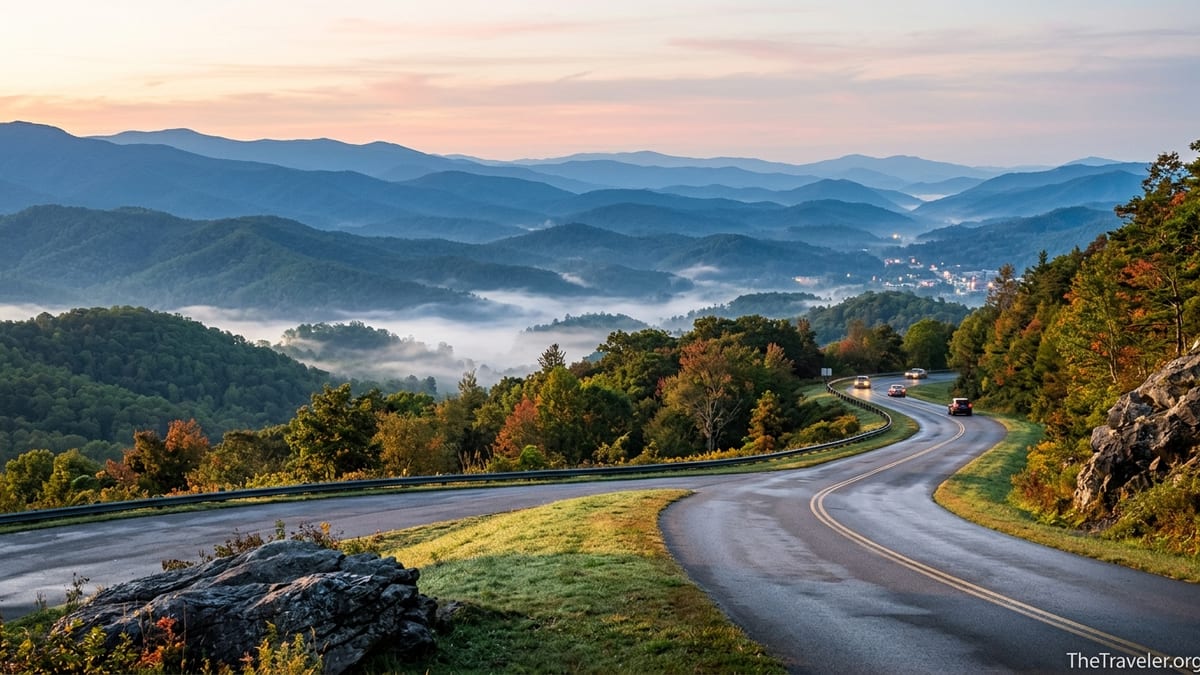
For Nature Lovers: Smokies, State Parks and Waterfalls
If your perfect Tennessee trip means trail dust on your boots and the sound of rushing water, start with Great Smoky Mountains National Park on the Tennessee and North Carolina border. It is the most visited national park in the United States and protects more than 500,000 acres of mountains and deep forest. Around Gatlinburg and Townsend you will find classic experiences like Cades Cove, an 11 mile loop road where you can spot black bears and deer at dawn, and Clingmans Dome, a short but steep walk to an observation tower with layered mountain views in every direction.
Base yourself in Gatlinburg, Pigeon Forge or nearby Sevierville if you want easy access to both the park and plenty of restaurants and lodging. Cabins with hot tubs and decks overlooking the ridges are common, and in shoulder seasons you can often find a one bedroom cabin from around 150 to 250 dollars per night, depending on views and amenities. From these bases you can reach popular waterfall hikes like Laurel Falls or the Roaring Fork Motor Nature Trail, where short spur trails lead to cascades and old homesteads.
Beyond the Smokies, Tennessee’s state parks give you quieter trails and dramatic scenery. Fall Creek Falls State Park, about two hours southeast of Nashville, is known for one of the highest waterfalls in the eastern United States and has cabins, a lodge and campgrounds, which makes it an easy long weekend base. South Cumberland State Park, spread across the Cumberland Plateau near Monteagle, offers sandstone cliffs, overlooks and waterfalls such as Foster Falls and the Stone Door area, popular with hikers and rock climbers.
If waterfalls are your priority, plan a loop that links several parks instead of trying to see everything in one day. For example, you might start at Burgess Falls near Cookeville, continue to Cummins Falls for a rugged hike down into a gorge, then overnight in a simple motel or vacation rental before heading to Fall Creek Falls the next morning. Many trailheads have small parking lots that fill quickly on sunny weekends, so arriving early and carrying water shoes or sandals for creek crossings will make the day smoother.
For Nightlife: Neon Cities and Live Music After Dark
When the sun goes down, Tennessee’s energy shifts to its cities, where live music, rooftop bars and night tours keep things busy well past midnight. Nashville is the state’s nightlife star, especially along Lower Broadway. Here honky-tonks line several blocks and most do not charge a cover, relying instead on tips for bands and bar sales. On a typical night you can walk between venues and hear classic country, pop covers and original songs often all before 11 p.m. Prices for drinks are similar to other large US cities, and it is common to pay 10 to 15 dollars for a cocktail in popular bars.
For a more polished evening, Nashville’s Gulch and Midtown neighborhoods offer cocktail lounges and live music venues that attract both locals and visitors. You might start with dinner near the Gulch, then move to a speakeasy-style bar with a dress code, or head to a late show in a listening room where tickets are usually booked in advance. Ride share services operate widely in the city and are the easiest way to move between neighborhoods if you plan to drink.
Memphis delivers a different nightlife flavor, wrapped around blues, soul and rock history. Beale Street is the obvious focal point, with live music pouring out of clubs and barbecue restaurants most evenings. Many visitors pair a daytime visit to attractions such as Graceland or the National Civil Rights Museum with a relaxed evening of bar hopping and people watching downtown. While some venues offer free entry, others charge modest cover fees, especially when well known local musicians take the stage.
Chattanooga and Knoxville offer smaller but appealing scenes that work well for travelers who want to combine nature and nightlife in the same stop. In Chattanooga, breweries and music bars cluster around the Southside and North Shore neighborhoods near the riverfront. Knoxville’s Old City and Market Square fill with patios and live music in warm months, and because both cities are university or outdoor gateways, you will find everything from laid back craft beer spots to late night dance floors within a short walk.
For Family Travel: Theme Parks, Aquariums and Easy Outdoor Adventures
Tennessee has become a favorite for multigenerational trips, largely because it blends child friendly attractions with dramatic scenery. In Pigeon Forge, Dollywood stands out as one of the state’s signature family draws. The park mixes big coasters with live shows, crafts and gentler rides suitable for young children and grandparents. Ticket prices vary by season, but you can expect to pay similar rates to other major theme parks, and adding a second day often lowers the per day cost. Families often stay in nearby cabins or large vacation homes so they have kitchens and separate bedrooms.
Just up the road in Gatlinburg, Ripley’s Aquarium of the Smokies and mountaintop attractions such as Anakeesta or the SkyBridge give kids easy thrills without full day commitments. A common pattern is to spend one day in the national park on a short waterfall hike or a scenic drive, then reward the kids the next day with a few hours of rides, zip lines or an alpine coaster. Many attractions sell combo tickets or online discounts, which can add up quickly for larger families.
Chattanooga is another strong choice for families that prefer walkable downtowns to resort strips. The Tennessee Aquarium sits on the riverfront and focuses separately on river and ocean life, so you can comfortably explore in half a day without rushing. Nearby, the Creative Discovery Museum targets younger kids with hands on exhibits, and the city’s long riverfront path allows for easy stroller friendly walks. Add a ride on the Lookout Mountain Incline Railway or a guided cave tour at Ruby Falls, and you have a full but manageable weekend.
For families who like to mix in simpler outdoor time, consider Tennessee’s state parks and lakes. Places like Montgomery Bell State Park near Nashville or Warriors’ Path State Park near Kingsport offer playgrounds, short trails and paddle rentals in season. Cabin rentals inside parks are often more affordable than private cabins in the Smokies and provide quick access to swimming areas or picnic spots, which keeps daily planning stress low when traveling with kids.
For Scenic Drives: Ridges, Rivers and Backroads
One of the easiest ways to experience Tennessee’s variety is from behind the wheel. The state is crisscrossed with byways that show off rivers, ridges and farm country, often in the same afternoon. In the Smokies, the Cades Cove Loop Road and Newfound Gap Road are classic drives. Cades Cove offers wide valley views framed by mountains, with historic cabins and churches along the way, while Newfound Gap Road climbs to the state line and provides multiple overlooks that are especially dramatic at sunrise or sunset.
On the Cumberland Plateau, the area around Sewanee, Monteagle and South Cumberland State Park hides winding roads that rise to panoramic overlooks, then dip back into wooded hollows. Stops like the University of the South’s bluff viewpoints near Sewanee or the Stone Door in Savage Gulf give you quick access to cliff top vistas. In autumn, the plateau becomes a patchwork of reds and golds, and weekend traffic increases, so give yourself more time than the map suggests.
West of Nashville, the Natchez Trace Parkway cuts a peaceful route through rolling countryside, historic sites and quiet trailheads. While the full parkway stretches from Mississippi into Tennessee, many visitors simply join at an access point near the city and drive a short segment for a few hours, stopping at overlooks and picnic areas. Because commercial traffic is limited on the parkway, the drive feels markedly calmer than interstate highways and suits travelers who prefer 45 to 50 mile per hour cruising.
Farther west, the roads along the Mississippi River near Memphis showcase a different landscape of broad floodplains and big skies. Drive across the Hernando de Soto Bridge into Arkansas at dusk for views back toward the Memphis skyline or stick to the Tennessee side and follow levee roads and small town main streets south. Pairing a daytime drive with a stop in a local diner for catfish or barbecue transforms a simple route into one of the most memorable parts of the trip.
Blending Interests: Where Nature Meets Nightlife and Family Fun
You do not have to choose just one theme for a Tennessee trip. Many of the state’s destinations layer nature, nightlife and family attractions within an easy drive of one another. The Gatlinburg and Pigeon Forge area is an obvious example. In a single long weekend you might hike a section of the Appalachian Trail near Newfound Gap, ride roller coasters at Dollywood, have dinner at a family style restaurant and then sample live music or moonshine tastings in town after the kids are in bed, while a grandparent relaxes back at the cabin.
Chattanooga offers a similar blend on a smaller scale. Spend a morning hiking or swimming in the natural pools along the North Chickamauga Creek Gorge, then return to town for an afternoon at the aquarium or a riverboat cruise. In the evening, enjoy a farm to table restaurant followed by ice cream on the Walnut Street pedestrian bridge. Because the downtown area is compact, you can often park once and walk to most activities, which is especially helpful for families or groups with varied mobility levels.
Nashville can also work for mixed interest groups if you balance your schedule. One day might focus on city experiences like a tour of historic music studios, a food hall lunch and an evening on Broadway, while the next day you head out to a nearby lake such as Percy Priest for boating or to a nature park on the city’s edge. Renting a car for a day or two opens up access to countryside driving routes and small towns within an hour of downtown that feel far removed from the neon and traffic.
When you build an itinerary that crosses these interest lines, pay attention to driving distances and lodging locations. Staying in Sevierville instead of deeper into the mountains, for example, might cut your drive time to Pigeon Forge attractions while still keeping national park trailheads within reasonable reach. In cities, choosing accommodation near a streetcar stop, riverwalk or main entertainment district can reduce the need for late night driving after concerts or shows.
Practical Tips for Choosing Your Tennessee Base
With so many appealing options, the challenge is less about finding a good place and more about picking the right hub for your style and budget. If nature is the clear priority and you want hiking every day, anchor yourself in or near Great Smoky Mountains National Park, Fall Creek Falls State Park or South Cumberland State Park. Expect more rustic settings and quieter evenings, especially if you choose campgrounds or park cabins, and plan to shop for groceries before you arrive since some park areas have limited services.
If nightlife is your main focus, Nashville or Memphis make the most sense, with Chattanooga and Knoxville as secondary options. In Nashville, staying within walking distance of Lower Broadway will likely cost more, but you will save on late night ride shares and gain the ability to move between venues quickly. In Memphis, a downtown or South Main hotel puts Beale Street and the riverfront within easy walking distance. Booking midweek can reduce nightly rates in both cities compared with weekends when events and festivals drive demand.
Families often benefit from renting entire homes or condos rather than hotel rooms, especially in the Smokies or lake regions. A three bedroom cabin near Pigeon Forge, for example, might cost more per night than a single hotel room but less per person when split between extended family, and will give you a kitchen to handle breakfast and snacks. Look closely at driveway steepness and road access in mountain areas, particularly in winter or early spring, as some cabins sit on narrow, winding roads that can feel intimidating for drivers unused to mountain conditions.
Scenic drive enthusiasts should consider the timing of their trip carefully. Spring brings wildflowers and fresh green foliage to the Smokies and the plateau, while autumn is famous for color but also the busiest season on popular loops like Cades Cove. If you value empty roads over peak color, late April, early May or early November often provide a good balance between scenery and crowds. Regardless of season, keep gas tanks topped up before heading into more remote areas, and store paper maps or offline navigation in case of patchy cell service.
The Takeaway
Tennessee is not a one note destination. It is a patchwork of mountain valleys, music soaked streets, quiet lakes and high plateaus that reward both planners and wanderers. If you know that standing in front of a waterfall or waking up to a ridge line sunrise matters more than late nights, center your trip around the Smokies and the state parks. If you live for live music and neon signs, let Nashville or Memphis be your anchor and treat day trips into the countryside as a bonus.
Families will find the combination of Dollywood, aquariums and easy hikes hard to beat, especially when paired with a roomy cabin or lakeside rental that gives everyone space. Drivers who love the journey as much as the destination can craft routes that follow river gorges, climb wooded ridges and roll through small towns with a single tank of gas. In practice, many travelers end up sampling a bit of each category, discovering that their favorite Tennessee moments are as likely to come from a quiet overlook as from the last song of a late night set.
FAQ
Q1. What is the best time of year to visit Tennessee for nature and scenic drives?
Spring and fall are usually the most rewarding for nature and scenic drives, with mild temperatures, blooming wildflowers or colorful foliage, and fewer summer crowds in many popular areas.
Q2. If I want both nightlife and nature, where should I base my trip?
Nashville with day trips to nearby lakes, or Chattanooga with access to mountain trails and riverfront nightlife, are strong choices for blending outdoor time with evenings out.
Q3. Is the Great Smoky Mountains area suitable for young children?
Yes. The Smokies offer short, mostly level trails, paved scenic overlooks and picnic areas, and nearby towns such as Gatlinburg and Pigeon Forge have many kid friendly attractions and restaurants.
Q4. Do I need a car to enjoy Tennessee’s nightlife scenes?
A car is helpful for reaching different neighborhoods, but in central areas of Nashville, Memphis, Chattanooga and Knoxville you can often walk or rely on ride share services for evenings out.
Q5. How many days should I plan for a first visit to Tennessee?
Four to seven days is a comfortable range for a first trip, giving you time for at least one city and one nature based area without feeling rushed between drives and activities.
Q6. Are Tennessee state parks a good alternative to staying in the Smokies?
They can be. Parks such as Fall Creek Falls or South Cumberland offer dramatic scenery, cabins and campgrounds, and are generally less crowded than the busiest areas of Great Smoky Mountains National Park.
Q7. Where can I find budget friendly family activities?
Look for free or low cost attractions like city parks, riverwalks, short hikes in state parks and self guided walking tours in downtown districts, then add one or two paid anchor experiences such as a theme park or aquarium.
Q8. Is it safe to drive mountain roads in Tennessee for scenic drives?
Most main mountain roads are well maintained, but they can be steep and winding. Drive slowly, use pullouts to let faster drivers pass, and avoid narrow backroads at night if you are not used to mountain driving.
Q9. Can I visit several regions of Tennessee in one week?
Yes, if you plan driving times carefully. A common one week route might link Nashville, the Smokies around Gatlinburg and either Chattanooga or Memphis, with two or three nights in each stop.
Q10. Do I need to book lodging far in advance?
For peak times such as fall foliage in the Smokies, summer weekends and major events in cities, it is wise to reserve cabins and hotels several months ahead to secure better locations and prices.