


Reykjavik is compact, but choosing where to stay can still feel surprisingly confusing. Guides mention 101 Reykjavik, Laugavegur, the Old Harbour, Grandi and Laugardalur, and prices across the city look high. Recent Reykjavik neighborhood guides agree on one key point: most visitors sleep in or very close to the central 101 postcode, because it puts the main sights, restaurants, bars and tour meeting points within walking distance while avoiding local transport logistics. From there, it is a matter of deciding how close you want to be to the liveliest streets, how sensitive you are to late night noise, and how much you are willing to pay for a central address.
Get the latest updates straight to your inbox!
Understanding Reykjavik’s Layout and Central 101 District
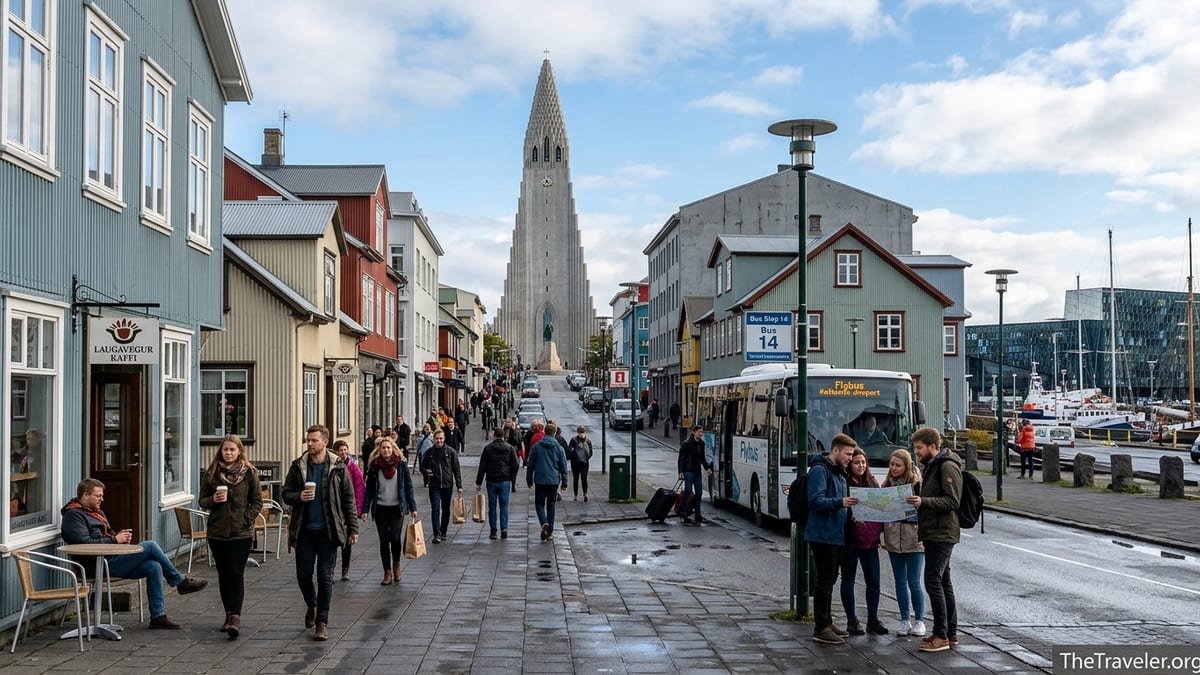
Reykjavik’s historic core is the 101 city centre, also known as Miðbær. It stretches from the pond at City Hall and Hallgrímskirkja church down to the shoreline and the Harpa concert hall and across towards the Old Harbour. Recent accommodation guides describe this postcode as where most visitors end up staying, because hotels, guesthouses and short term rentals are heavily concentrated here and the main museums, churches and waterfront attractions are all within a 10 to 20 minute walk.
The central streets most visitors picture are Laugavegur and its side streets, Skólavörðustígur and Hverfisgata. These form a walkable spine of shops, cafes, restaurants and bars, intersecting with small lanes of guesthouses and apartments. From a practical perspective, if you stay anywhere in the core of 101 you can usually walk to Harpa, the Old Harbour whale watching piers and the main cultural sights without using a bus or taxi, which is why most first time visitors are advised to prioritize location over saving a small amount by staying farther out.
Day tours to the Golden Circle, south coast or northern lights typically operate hotel pickups or central bus stop pickups around 101 rather than expecting visitors to navigate the public bus system. Airport coaches from Keflavik International Airport run to BSÍ, the main Reykjavik bus terminal just south of the centre, and many tickets can be upgraded to include transfer by smaller shuttle to a network of designated bus stops and selected hotels in and around 101. That means central stays usually keep transfers straightforward, though it is worth checking the closest official bus stop your hotel uses before you book.
Reykjavik’s compact size does not mean all parts feel the same. The Laugavegur nightlife blocks can be noisy until the early hours on weekends, the Old Harbour and Grandi feel like a quieter dockside district, and Laugardalur to the east is more of a green, residential valley. Understanding these different atmospheres is the key to choosing the right base for your trip and budget.
101 Old Town and City Centre: Classic First‑Time Base
The heart of 101 Reykjavik, sometimes described as the Old Town or downtown, covers the blocks between Tjörnin pond, the parliament area, Harpa and the lower end of Laugavegur. The atmosphere here is compact and walkable, with narrow streets, older wooden houses and landmark buildings such as City Hall and the cathedral. Cafes, bars and galleries are woven in among small hotels and guesthouses, and the waterfront and Old Harbour can usually be reached in 10 minutes on foot.
Accommodation types in this core are varied. You will find traditional hotels in historic buildings, modern chain properties near Harpa, boutique options in converted townhouses and a dense mix of apartments and legal home sharing. Price bands based on recent rate checks tend to run from upper mid range to luxury, with many standard double rooms for central dates in popular seasons falling in a broad band that could be described as mid range to high for Europe. Budget options exist in the form of hostels and simple guesthouses, but they book out early.
This area suits first time visitors without a car, couples on a short city break and travelers who want to step out of their door and immediately be in the middle of things. Noise levels depend heavily on the exact street. Roads around the liveliest stretches of Laugavegur and some bar clusters can experience late night noise, particularly on Friday and Saturday, while lanes closer to Tjörnin or up small side streets often feel significantly quieter despite being only a few minutes away on foot.
For day tours, staying in 101 city centre generally means your accommodation will either be on the list of selected hotel pickups or within a short walk of an official tour or airport bus stop. Airport coach services typically run from Keflavik to BSÍ and then distribute passengers on smaller shuttles to specific numbered stops around central Reykjavik. Some streets are designated as pickup points only rather than allowing full hotel door access, so it is important to confirm which stop your hotel uses and factor in a short walk with luggage when planning transfers.
Laugavegur and Skólavörðustígur: Lively Spine of Shops and Nightlife
Laugavegur is Reykjavik’s main shopping and nightlife street, running east from the lower city centre. Skólavörðustígur climbs the hill from Laugavegur up towards Hallgrímskirkja, lined with design shops, cafes and galleries. Together, these two streets form one of the densest clusters of accommodation in the city, with boutique hotels, stylish mid range properties, hostels and serviced apartments sitting directly on or just off the main drag.
The atmosphere along Laugavegur is energetic and urban, particularly at weekends and in high season. Bars and late opening venues keep some blocks busy until the early hours. Rooms facing directly onto the street can experience street noise, so light sleepers are usually better choosing accommodation on a quieter side street or asking for a courtyard or rear facing room. Skólavörðustígur, despite being a key tourist street, often feels a little calmer than the noisiest Laugavegur blocks, especially higher up the hill.
Price bands here vary widely. At the budget and lower mid range end, there are hostels, simple hotels and guesthouses where, based on recent examples, private rooms often fall into what could be described as lower or middle mid range for Reykjavik as a whole. At the upper end, design led boutique hotels and international chain properties offer rooms that can reach typical Nordic city rates in busy months. Many properties include breakfast, and some offer small kitchenettes, which can help keep dining costs down.
These streets suit travelers who want to be surrounded by cafes, restaurants and nightlife. City break couples, groups of friends and solo travelers who enjoy evening atmosphere often choose this area. Families with younger children or very noise sensitive guests might prefer to stay a few blocks away, closer to the pond or in the Old Harbour or West Side residential streets, using Laugavegur as a place to visit rather than sleep directly above. Tour pickups and airport bus stops are plentiful around this spine, but coaches may use designated curbside bus stops instead of the hotel door, which is worth checking in advance.
Old Harbour and Grandi: Waterfront Views and Calmer Nights
The Old Harbour sits at the north edge of 101, west of Harpa. Traditional fishing boats now share the quays with whale watching vessels, puffin tour operators and small museums. Immediately beyond lies Grandi, a redeveloped dockland peninsula of converted warehouses, food halls, galleries and contemporary hotels. The area feels maritime and slightly removed from the busiest nightlife streets, yet remains within a 10 to 20 minute walk of central Laugavegur.
Accommodation here tends to be a mix of sleek waterfront hotels, mid range design properties, apartment style hotels and a handful of guesthouses in nearby streets. Several recent Reykjavik hotel guides identify the Harpa and Old Harbour zone, including Grandi, as one of the city’s main clusters for higher end stays with sea or mountain views, although mid range rooms can also be found, especially slightly back from the water.
This district suits travelers who want a quieter base with easy access to the sea, whale watching tours and coastal walks. It works well for couples who prioritize views and a relaxed atmosphere, families who want space to stroll by the water, and photography minded visitors. Nightlife is more low key than on Laugavegur, with a growing roster of bars and restaurants but fewer late night venues clustered together, which generally keeps noise levels lower.
From a logistics point of view, the Old Harbour and Grandi are still 101 or adjacent districts, so they remain well served by tour pickups and airport bus stops. Some boats and excursions depart directly from the harbour, which is convenient for early departures. The trade off is that you will often walk 10 to 20 minutes uphill to reach Hallgrímskirkja or the higher part of Laugavegur. In poor weather this can feel further than it looks on a map, so travelers with mobility considerations may prefer a slightly more central hilltop location.
Laugardalur and Eastern Districts: Space, Pools and Family Friendly Stays
Laugardalur, sometimes called the Valley of Hot Springs, lies a couple of kilometres east of the core downtown. It is a large green area of parks, sports fields, Reykjavik’s biggest outdoor geothermal pool, the botanical garden and a family park and zoo. Accommodation here and in neighbouring districts like Borgartún and Höfði consists mainly of larger hotels with parking, spa hotels, business style properties and the city campsite during the summer months.
The atmosphere in Laugardalur is more local and residential than central 101, with wider streets, less nightlife and more space between buildings. Recent neighborhood guides often recommend it to families who value daytime activities and access to the pool and playgrounds, and to travelers with rental cars who want on site parking and easier driving access to the Ring Road. Nights are generally quieter than in the centre, though you are less likely to step out into a dense choice of restaurants and bars.
In price terms, Laugardalur often undercuts the most central 101 hotels in live price comparisons, particularly for larger rooms that suit families. Typical bands for mid range hotels here, based on recent checks, have been described as sitting at the lower to middle end of Reykjavik hotel rates, though there are exceptions at both ends. The campsite provides one of the city’s few genuine budget options in summer, but spaces should be reserved early.
Public buses link Laugardalur to downtown in roughly 10 to 20 minutes depending on the route and traffic, and walking can take around 30 to 40 minutes. Some day tours offer pickups at larger hotels in this area, while others require you to meet at central bus stops near 101. For visitors without a car who plan to go out in the evening and return late, taxi fares back from the centre can add up, so any apparent savings on room rates should be weighed against these additional costs and time.
Outer Neighborhoods Along Bus Routes: Vesturbær and Suburban Options
Just west of the core 101 district lies Vesturbær, often called the West Side. It is a mainly residential area of tree lined streets, local bakeries and the popular Vesturbæjarlaug swimming pool, within roughly a 10 to 20 minute walk of the downtown core depending on where you stay. The atmosphere here is calmer and more local than on Laugavegur, but you are still close enough to walk to the Old Harbour and central restaurants.
Accommodation in Vesturbær and similar near central districts is dominated by small hotels, guesthouses, serviced apartments and legal home sharing in residential buildings. There are far fewer large chain hotels than in 101 or Laugardalur, but a healthy mix of mid range and budget friendly options, particularly outside the busiest summer weeks. These areas tend to appeal to travelers who want to feel like they are staying in a neighbourhood rather than in the middle of the tourist zone, and to families or longer stay visitors who appreciate kitchen facilities and quieter nights.
Farther out, along main bus corridors leading towards suburbs such as Kópavogur and Hafnarfjörður, you will find occasional hotels and guesthouses close to arterial roads. These can suit travelers with cars who want easier access to the wider region and free parking, or those returning late from self drive days and not needing to be a short walk from central nightlife. However, live journey times by bus into central Reykjavik from these areas can easily reach 20 to 40 minutes, and late night services are less frequent, so they are usually less convenient for short city stays without a vehicle.
Tour and airport bus pickups become more limited the farther out you go, often reverting to central meeting points in 101. If you are tempted by a lower price in an outer suburb, check the walking distance to the nearest Strætó bus stop, the frequency of evening buses and whether any tour operator will pick up there, as this can significantly affect the overall experience and budget.
Airport Coaches, Bus Stops and How Location Affects Transfers
Keflavik International Airport sits roughly 45 to 50 minutes from central Reykjavik by road. The main private airport coaches, including Flybus and similar services, operate frequent departures between the airport and Reykjavik from early morning until late evening. The standard pattern is a large coach from the airport to BSÍ bus terminal on the edge of the city centre, sometimes with a few intermediate suburban stops, followed by an optional smaller shuttle that distributes passengers to selected hotels and official bus stops in and around 101 and nearby districts.
When you buy a ticket, you often choose between a terminal only option and an add on that includes hotel or bus stop drop off. Because larger coaches are restricted on some narrow downtown streets, the “hotel” version usually means a smaller connecting bus from BSÍ that stops at numbered curbside bus stops and at certain larger hotels. Recent information from Reykjavik accommodation and transport guides also notes that some central streets are designated pickup points only to reduce congestion, so you may need to walk a short distance from your hotel with luggage both on arrival and departure.
This system makes staying in or close to 101 straightforward, since most hotels have clear guidance on which bus stop you should use. If you stay in Laugardalur or outer districts, you may either need to change to a local bus or take a taxi from BSÍ, or book an airport coach product that serves one of the bigger outlying hotels. For very early flights, some travelers choose to stay near Keflavik Airport instead for their final night, which avoids the pre dawn coach ride from Reykjavik altogether.
Public bus route 55 also connects Keflavik to Reykjavik, usually at lower cost but with a less frequent timetable and a stop located a short walk from the airport terminal near the car rental area rather than directly outside arrivals. It arrives at the central BSÍ or nearby stops rather than individual hotels. For most short city breaks, the dedicated airport coaches remain the simplest option, particularly when combined with a central hotel that is close to an official bus stop.
Staying Near Reykjavik Domestic Airport or On the Road to Keflavik
Reykjavik’s domestic airport lies just south of the 101 city centre, across open land and parks. A small cluster of hotels and guesthouses sits within walking distance or a short drive of the terminal, along with larger hotels on the arterial road that leads out towards Keflavik. Walking times from this zone into the heart of 101 are typically around 15 to 30 minutes, depending on the exact hotel and destination, and local buses run along the main roads.
Staying here can make sense if you have an early domestic flight to elsewhere in Iceland, such as Akureyri or Ísafjörður, or if you are on a very short layover and want easy access by car in and out of the city. It can also work for self drive travelers who prefer a large hotel with substantial parking close to the main road towards Keflavik and the Reykjanes Peninsula. In these cases, being able to load the car easily and avoid narrower downtown streets may outweigh the slight distance from the old town.
The disadvantages for visitors focused on central Reykjavik are clear. You will not be able to step outside into the densest cluster of cafes, bars and museums, and evening walks back from Laugavegur or the harbour can feel long, especially in bad weather. Taxis and local buses bridge the gap, but their cost and time should be factored in. Tour pickups may still be possible at some larger hotels in this corridor, but more specialized operators can require you to meet at central 101 bus stops.
Airport coaches from Keflavik sometimes offer stops at selected hotels on the road into the city, reducing the need to travel via BSÍ, but in other cases you may still transfer at the terminal and then backtrack by local transport. As always, checking the latest stop list and your hotel’s guidance before booking helps avoid surprises, particularly for early or late flights when frequency is reduced.
Accommodation Types and Short‑Term Rental Rules
Reykjavik offers a broad mix of accommodation types relative to its size. Traditional hotels range from international chains and spa properties to small locally owned boutiques. Hostels and budget hotels provide dorms and basic private rooms, especially around 101 and Laugavegur. Guesthouses, often family run, occupy older houses in both central and near central neighbourhoods, usually offering simple rooms with breakfast and sometimes shared facilities. Serviced apartments and aparthotels have expanded in recent years, appealing to families and longer stays.
Short term rentals and home sharing are widely present, particularly in the 101 postcode, where studies and local data have recorded a high concentration of such listings compared with outer suburbs. Icelandic regulations limit how many days per year a primary residence can be rented out without a more formal operating license, and municipalities enforce building and safety standards for professional operators. Rules and enforcement continue to evolve, so travelers are advised to book only with clearly licensed properties and established platforms that comply with local regulations.
In practical terms, this means looking for accommodation that lists an official registration number, operates as a guesthouse or apartment hotel under Icelandic law, or is a recognized hotel brand. While many private hosts operate within the rules, unlicensed listings can risk last minute cancellations or issues around safety and insurance. Recent local commentary also notes concerns about the impact of concentrated home sharing on housing availability in 101, which is another reason to favour regulated options.
Across all types, advertised prices in Reykjavik typically exclude a small per night accommodation tax that is added on arrival. Breakfast inclusion, parking, spa access and cancellation terms vary significantly between properties. Because demand peaks sharply in summer and around major events, many central hotels operate dynamic pricing, so it is safer to think in broad bands such as budget, mid range and luxury and to compare live rates for your exact dates rather than relying on any fixed figure.
Central Buzz vs Quiet Streets: Weighing the Trade‑Offs
Choosing between a very central street and a slightly more peripheral but quieter location is one of the main decisions for Reykjavik stays. Rooms directly on the busiest part of Laugavegur and nearby nightlife clusters give you immediate access to bars, live music venues and late opening restaurants. For travelers who plan to be out late and enjoy people watching until the early hours, staying in the thick of it can feel worth the premium and the possibility of street noise.
By contrast, staying a few streets away or in adjacent areas like the Old Harbour, West Side or the uphill residential blocks near Hallgrímskirkja can deliver much quieter nights while keeping walking times to central sights under 10 to 20 minutes. Many experienced visitors deliberately choose hotels that are slightly off the main streets for this reason. The city’s compact scale means you rarely gain more than a handful of minutes in walking time by being directly on Laugavegur, but you can lose a lot of sleep if weekend revelry extends beneath your window.
Budget plays into this trade off. Some of the highest central premiums are attached to small design hotels on the key shopping and nightlife streets. Moving a short distance outward, for example towards the Old Harbour, Grandi, Vesturbær or the Hlemmur end of Laugavegur, can drop live prices into a more manageable mid range. Going further to Laugardalur or suburban hotels along main roads often lowers headline nightly rates again, but the savings should be balanced against extra transport time and costs.
For most short stays without a car, a pragmatic approach is to stay within a comfortable walking radius of the 101 core and main bus stops, but on a street known more for houses or offices than bars. Checking recent reviews for comments specifically on noise, and using mapping tools to see how far the property is from main nightlife blocks, helps you match your tolerance level to the neighbourhood.
Which Area Suits You: Matching Profiles, Budgets and Booking Tips
For a first time city break couple without a car, the 101 Old Town and the blocks around Laugavegur and Skólavörðustígur are usually the most convenient. Aim for a mid range hotel, guesthouse or serviced apartment on a quieter side street within a 10 to 15 minute walk of Harpa, Hallgrímskirkja and the Old Harbour. Booking several months ahead for summer and holiday periods typically secures better choices in the mid range band, and choosing flexible, free cancellation rates in shoulder seasons allows you to adjust if prices drop closer to arrival.
Families with children planning multiple day tours often do well in Laugardalur or the calmer edges of 101 and the Old Harbour. Laugardalur’s green space, pool and family attractions balance the longer rides into downtown, especially if you have a rental car and value on site parking. In central areas, apartment style hotels or larger guesthouse rooms near but not directly on Laugavegur provide kitchenettes and quieter evenings. For this profile, a mid range budget is realistic, with occasional savings possible in outer areas, though it is important to factor in the cost of taxis or buses back from dinner or early tour starts.
Groups of friends focused on nightlife are best served by the Laugavegur and Skólavörðustígur area, particularly the livelier blocks with late opening bars. Hostels, budget hotels and smaller rooms in boutique properties can keep the per person cost closer to budget or lower mid range levels, especially outside peak dates. The trade off is higher noise, so accepting that you will likely hear street activity late into the night is part of the deal. Booking early for weekends in summer and on popular event dates is essential, as central shared and budget friendly options sell out quickly.
Road trippers with a rental car, especially those using Reykjavik as a first and last night base, often find Laugardalur, the eastern business districts or hotels near Reykjavik domestic airport and the road to Keflavik practical. These areas offer larger mid range hotels with parking and easy driving access, sometimes at slightly lower prices than equivalent central properties. The downside is the distance from the old town, so many self drive travelers choose to spend at least one night in central 101 at the start or end of the trip to experience the city on foot, then use outer hotels when passing through.
Whatever your profile, a few booking tips apply. Reserve early for June to August and for major festivals. In shoulder seasons such as late spring and early autumn, monitor flexible rates and be ready to rebook if a better option appears. Always check whether breakfast and parking are included, as these can materially change the value of a rate, and confirm the nearest airport coach and day tour stops before committing. With a clear sense of each neighbourhood’s atmosphere and logistics, Reykjavik’s compact size becomes an advantage rather than a puzzle, and you can focus on enjoying Iceland’s capital instead of worrying about where to sleep.