


Shenandoah National Park is full of overlooks and trails, but if you only have time for one true summit hike, make it Hawksbill Mountain. As the highest peak in the park, Hawksbill delivers expansive Blue Ridge views, varied trail options for different fitness levels, and a classic Skyline Drive experience that fits easily into a half day visit. For many travelers, it becomes the hike they compare every other Shenandoah view to afterward.
Get the latest updates straight to your inbox!
Shenandoah’s Highest Peak in a Manageable Package
Hawksbill Mountain tops out at just over 4,050 feet, making it the highest point in Shenandoah National Park and one of only two summits here above 4,000 feet. That superlative alone earns it a spot on many visitors’ bucket lists, but what truly makes Hawksbill a must do is how accessible that high ground feels. Unlike long Western summit days that can swallow an entire vacation day, you can stand on Hawksbill’s rocky crown in roughly 45 minutes to an hour of steady hiking.
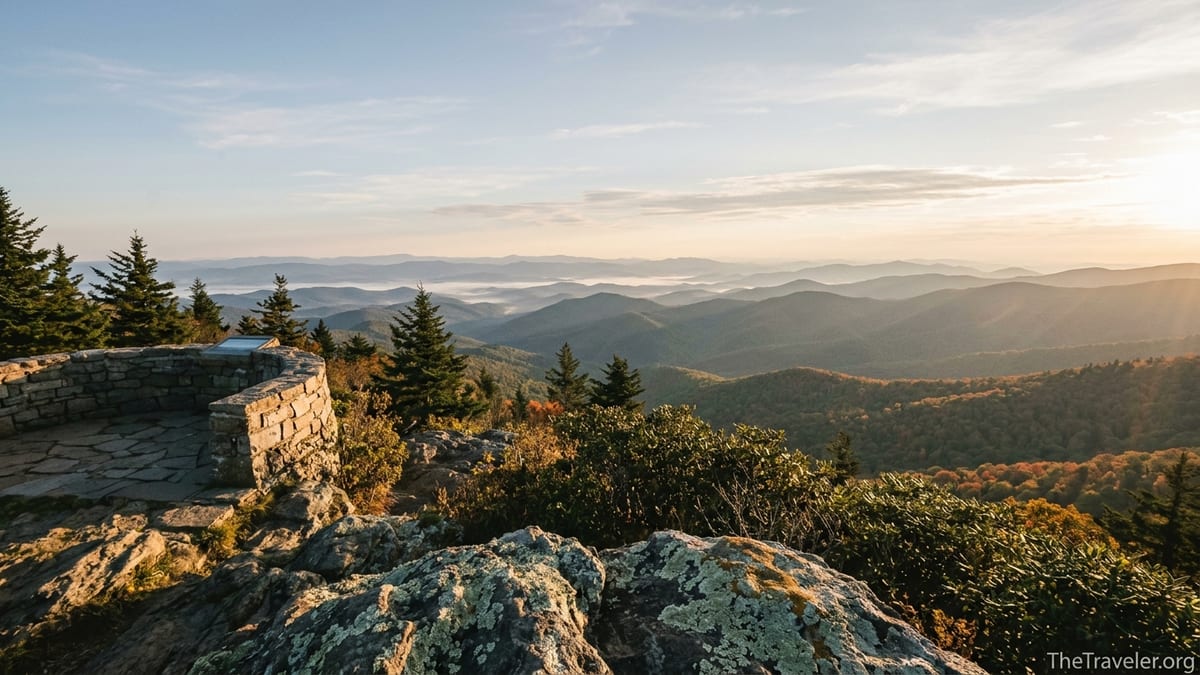
From the viewpoint, the landscape drops away dramatically on the north side into Timber Hollow, with a vertical relief of about 2,500 feet, the largest in the park. On a clear day, it feels like you are hovering above waves of blue ridges rolling toward the Shenandoah Valley on one side and the Virginia Piedmont on the other. Travelers who have already stopped at several Skyline Drive overlooks often remark that the summit feels like switching from the balcony to the rooftop, trading a windshield frame for a full 360 degree panorama.
Hawksbill’s popularity also comes from its flexibility. Families arriving from Washington, D.C. for a short weekend, road trippers overnighting in nearby Luray, and Appalachian Trail section hikers all use Hawksbill as their signature viewpoint hike. It is challenging enough to feel like a real mountain summit, yet short enough that most reasonably active visitors can fit it in before lunch or as a golden hour stroll before dinner at Big Meadows Lodge.
Trail Options: Choose Your Own Summit Adventure
Hawksbill can be reached by several routes, which lets you match the hike to your time, fitness, and appetite for steep climbing. The most direct option is the Upper Hawksbill Trail from the parking lot around mile 46.7 on Skyline Drive. This out and back walk is about 2.1 miles round trip with roughly 500 feet of elevation gain. The trail climbs steadily but not brutally, mostly on a wide former fire road, so many visitors with kids or older relatives choose this route for a relatively moderate ascent.
For those who want a shorter but steeper workout, the Lower Hawksbill Trail begins at Hawksbill Gap parking near mile 45.5 on Skyline Drive. The National Park Service lists this route at about 1.7 miles round trip with nearly 700 feet of elevation gain. The grade is noticeably sharper, especially on the way up from the parking lot to the Byrds Nest 2 shelter near the summit. Travelers pressed for time often opt for this trail, hiking from a late morning Skyline Drive overlook stop to the summit and back in roughly 75 minutes, then continuing south toward Big Meadows for lunch.
If you prefer variety, you can link trails into a loop, often called the Hawksbill Loop, starting from Hawksbill Gap. A common choice is to hike up the Lower Hawksbill Trail to the summit, then descend via the Salamander Trail to meet the Appalachian Trail and follow it back to the parking area. This loop generally runs around 2.7 to 3 miles. Visitors who like circuit hikes appreciate that they see new scenery throughout, trading the wooded Lower Hawksbill ascent for long sidehill views on Salamander and a classic section of the white blazed Appalachian Trail.
More ambitious hikers can build Hawksbill into a longer day that includes nearby destinations like Rose River Falls or Whiteoak Canyon, using Skyline Drive pullouts as connectors. An example itinerary for a full day could be a morning waterfall hike from the Whiteoak Canyon boundary entrance, a midday drive up Skyline Drive, and a late afternoon ascent of Hawksbill from Upper Hawksbill parking to catch early evening light from the summit before returning to a campsite at Big Meadows Campground.
Views That Justify the Hype
Summit bragging rights mean little if the view does not deliver. Hawksbill’s payoff does. A stone viewing platform crowns the summit area, built to concentrate foot traffic away from fragile rock outcrops and alpine style vegetation. From this perch, sweeping vistas extend over the Shenandoah Valley to the west and the rolling Piedmont to the east. On a sunny autumn weekend, you might spot pumpkin patches and cornfields far below while the Blue Ridge ridges flame with red maples and bronze oaks.
Because Hawksbill sits near the middle section of Skyline Drive, you get a sense of the park’s overall scale from the summit. Looking north on a clear day, some visitors pick out the shape of Stony Man, Shenandoah’s other 4,000 foot class peak, while to the south they trace the undulating road as it disappears toward Loft Mountain. Photographers often time their hike for late afternoon or evening, when the low sun softens the distant ridges into painterly layers of blue and purple.
Season matters, too. In spring, new leaves on surrounding slopes glow a nearly neon green, and you may find wildflowers like trillium and violets along the trail. In summer, haze can soften the farthest horizons, but dramatic thunderstorms sometimes roll through, leaving behind dramatically lit clouds and sunbeams stabbing into the valleys. Winter brings the starkest views, with bare trees opening extra sightlines and snow sometimes frosting the distant Allegheny Mountains, creating a sense of altitude that surprises visitors used to Shenandoah’s modest elevations on paper.
For many repeat travelers, Hawksbill becomes a tradition precisely because each visit feels different. One couple might recall a June proposal on the stone platform under high white clouds, while a solo hiker remembers standing alone on the summit in February, watching wind driven snow sweep across the ridges. The relatively modest effort to reach the top makes it easy to build these personal moments into a weekend itinerary.
Practicalities: Access, Parking, and Park Fees
Reaching Hawksbill begins with Skyline Drive, Shenandoah’s 105 mile scenic road. Most visitors enter through one of four main gates and pay the park entrance fee, which for a private vehicle typically covers everyone in the car for seven consecutive days. Recent figures list that vehicle pass at about 30 dollars, with separate rates for motorcycles and visitors arriving on foot or bicycle. Fees can change, so travelers often check the National Park Service information shortly before a trip, but as of mid 2026, budgeting around this amount for a standard car visit is realistic.
From the northern Thornton Gap entrance near Luray, it takes roughly 35 to 45 minutes of driving along Skyline Drive to reach the Hawksbill area, depending on traffic and photo stops at overlooks. Upper Hawksbill parking sits around mile 46.7, while Hawksbill Gap, used for the Lower Hawksbill and loop options, is near mile 45.5. Both lots are modestly sized paved pullouts. On peak foliage weekends in October or sunny Saturdays in May, these spaces can fill by late morning, so many travelers aim to arrive before 9:30 a.m. or later in the afternoon after day trippers begin to depart.
There is no separate fee to hike Hawksbill beyond the park entrance charge, and no day use permit is currently required as it is at heavily visited Old Rag. However, policies evolve, especially around busy trailheads, so it is wise to skim Shenandoah’s official alerts page close to your travel dates to confirm that no temporary closures or restrictions are in place near Hawksbill. In summer 2026, for example, visitors have reported occasional short term trail work and resurfacing projects that temporarily shifted traffic between the Upper and Lower trailheads.
Facilities at the trailheads are basic. You will usually find information signs and trail maps at the parking areas, but restrooms and water are not located directly at Upper Hawksbill or Hawksbill Gap. Instead, many visitors stop at Big Meadows Wayside or picnic areas, roughly a 10 to 15 minute drive south, to use restrooms, pick up sandwiches, and refill water bottles before or after the hike. Treat Hawksbill as a backcountry walk: carry at least a liter of water per person in warm weather and bring snacks even if you only expect to be on the trail for a couple of hours.
Who Will Enjoy Hawksbill (and Who Might Not)
Hawksbill works especially well for travelers who want a classic Shenandoah summit without committing to a strenuous all day adventure. Families with children who are comfortable walking a couple of miles, couples on a weekend getaway, and multi generational groups often report success on the Upper Hawksbill route. The wide path and gradual grade make it approachable for visitors who may not hike regularly but can handle moderate hills on neighborhood walks.
Photographers, sunrise and sunset chasers, and landscape lovers tend to favor Hawksbill over some lower overlooks because of its unobstructed vistas. The viewing platform and nearby rocks offer multiple angles, so even on busy days you can usually find a corner for yourself. Bird watchers also cherish the area. The summit’s cliffs and high winds make it a notable nesting and hunting area for raptors, including peregrine falcons, and songbirds move through the nearby spruce and fir trees, which are more typical of New England forests than Virginia’s lowlands.
On the other hand, Hawksbill may not be the best choice for visitors with significant mobility limitations. The trails are steep, rocky in places, and do not meet formal accessibility standards. Even fit hikers with knee issues sometimes prefer to ascend the steeper Lower Hawksbill and descend the gentler Upper Hawksbill to reduce strain on joints. Travelers who dislike crowds might also want to time their visit carefully, avoiding peak midday hours in October and holiday weekends when the summit can feel busy.
Those seeking solitude or a wilderness feel might favor longer, less trafficked routes in the park’s South District, such as hikes toward Jones Run or Doyles River Falls. However, many experienced hikers still recommend Hawksbill, even for solitude seekers, as a “must see once” view, the way you might accept a bit of company on the rim of the Grand Canyon in exchange for the experience.
Safety, Seasons, and How to Hike Responsibly
Although Hawksbill is short by mountain standards, it remains a true backcountry hike. Weather at 4,000 feet can differ dramatically from the valleys below, with cooler temperatures, stronger winds, and sudden fog. A common early mistake is for summer visitors from Richmond or Washington to arrive in shorts and a T shirt on a warm June afternoon, only to find the summit breezy and 10 to 15 degrees cooler. Packing a light windproof layer and a hat, even on seemingly hot days, can make lingering at the top far more comfortable.
Footwear matters more than many first time visitors expect. Sturdy walking shoes or light hiking boots with decent tread work well. The trail surface includes rocks, roots, and occasional muddy patches, especially after summer thunderstorms. Flip flops or fashion sandals are a poor choice, and rangers frequently treat minor sprains that could have been avoided with more supportive shoes. Trekking poles are optional but can help on the steeper Lower Hawksbill descent, particularly for visitors who are less sure footed.
Seasonal considerations extend beyond weather. Autumn is the busiest time, thanks to Shenandoah’s famous foliage. Parking lots can fill before midmorning during peak color, usually in mid to late October. Spring brings wildflowers and fewer crowds, though late April and May weekends are still popular. Summer afternoons can be hot and hazy, so many travelers start early, hike to Hawksbill, then retreat to shaded picnic areas or lodges during the hottest hours. Winter visits in December through February can be magical, but Skyline Drive sometimes closes after snow or ice, so you should always check current road conditions before setting out from nearby towns like Luray or Waynesboro.
Hawksbill is also a good place to practice Leave No Trace ethics. Stay on designated trails and the summit platform to protect fragile alpine style vegetation that clings to the cliffs. Pack out all trash, including fruit peels and tissues, and resist the temptation to carve names into rocks or trees. Wildlife, from inquisitive deer near the parking areas to raptors overhead, should be observed from a distance using telephoto lenses or binoculars rather than approached or fed.
The Takeaway
For most Shenandoah visitors, Hawksbill Mountain strikes an ideal balance between accessibility and true mountain experience. It requires enough effort to feel earned, yet it is realistic for a wide range of travelers, from first time national park visitors to experienced Appalachian Trail hikers pausing for a side trip. The reward is a commanding view from the highest point in the park, a sense of standing at the top of the Blue Ridge, and a memory that often becomes the highlight of a Virginia road trip.
Build Hawksbill into your itinerary as a half day focal point: combine it with a scenic drive along Skyline Drive, a casual lunch at Big Meadows, or a relaxed evening at a campground or lodge. Arrive prepared with water, layers, and realistic expectations about trail steepness and crowds, and you will likely leave with a new mental picture of what Shenandoah really looks like from above. Among the park’s many trails, Hawksbill earns its reputation as a must do hike because it lets almost any visitor feel, if only for an hour, that they have genuinely stood on the summit of the Blue Ridge Mountains.
FAQ
Q1. How long does it take to hike Hawksbill Mountain?
The typical visitor spends about 1.5 to 2 hours on Hawksbill, including hiking time and a break at the summit. Very fit hikers may complete the shorter routes in around an hour, while families and photographers often linger longer for photos and rest.
Q2. Which trail to Hawksbill is best for beginners?
The Upper Hawksbill Trail from the parking area near mile 46.7 on Skyline Drive is generally the most beginner friendly route. It is a wide, well graded path with moderate elevation gain and no scrambling, making it a good choice for visitors new to mountain hiking or traveling with children.
Q3. Do I need a special permit to hike Hawksbill?
As of mid 2026, there is no separate day use permit required to hike Hawksbill Mountain. You do need to pay the standard Shenandoah National Park entrance fee at a gate or pass station, but once inside the park you may access Hawksbill without additional permits.
Q4. Is Hawksbill suitable for young kids?
Many families successfully hike Hawksbill with school age children, especially via the Upper Hawksbill route. Parents should be prepared for steady uphill walking and supervise kids closely near the summit’s rocky edges and viewing platform. Sturdy sneakers, snacks, and plenty of water make the experience more enjoyable for younger hikers.
Q5. Can I bring my dog on the Hawksbill trails?
Leashed dogs are generally allowed on Hawksbill’s main trails under Shenandoah’s pet regulations, which require a leash no longer than six feet. Owners should keep pets under control around other hikers, pack out pet waste, and be mindful that steep grades and hot weather can be challenging for some animals.
Q6. When is the best time of day to hike Hawksbill?
Early morning and late afternoon are often the most rewarding times. Morning hikes usually offer cooler temperatures and quieter trails, while late afternoon or early evening can bring warm, golden light and layered ridge views that are ideal for photography, provided you leave enough daylight for the descent.
Q7. Is Hawksbill crowded?
Hawksbill is one of Shenandoah’s most popular summit hikes, so you should expect company, especially on sunny weekends and during peak fall foliage. To avoid the largest crowds, visit on a weekday, arrive before midmorning, or start your hike later in the afternoon after peak day use hours.
Q8. What should I wear and bring for the hike?
Plan on wearing comfortable hiking shoes or sturdy sneakers with good traction, and dress in layers so you can adjust to cooler, windier conditions at the summit. Bring at least one liter of water per person, sun protection, a light snack, and a small daypack. A lightweight rain jacket and simple first aid items are wise additions.
Q9. Is the trail to Hawksbill open year round?
The Hawksbill trails are generally open year round, but access depends on Skyline Drive being passable. In winter and during major storms, sections of the road may close due to snow, ice, or downed trees. Always check Shenandoah’s current road and weather updates before you drive to the trailhead, especially between late fall and early spring.
Q10. How does Hawksbill compare to Old Rag or Stony Man?
Hawksbill is shorter and technically easier than Old Rag, which involves rock scrambles and often requires a separate day use ticket. Compared to Stony Man, Hawksbill is slightly higher and offers a more expansive feel from its summit platform. Many visitors consider Hawksbill the best balance of effort, safety, and sweeping views among Shenandoah’s signature peaks.